
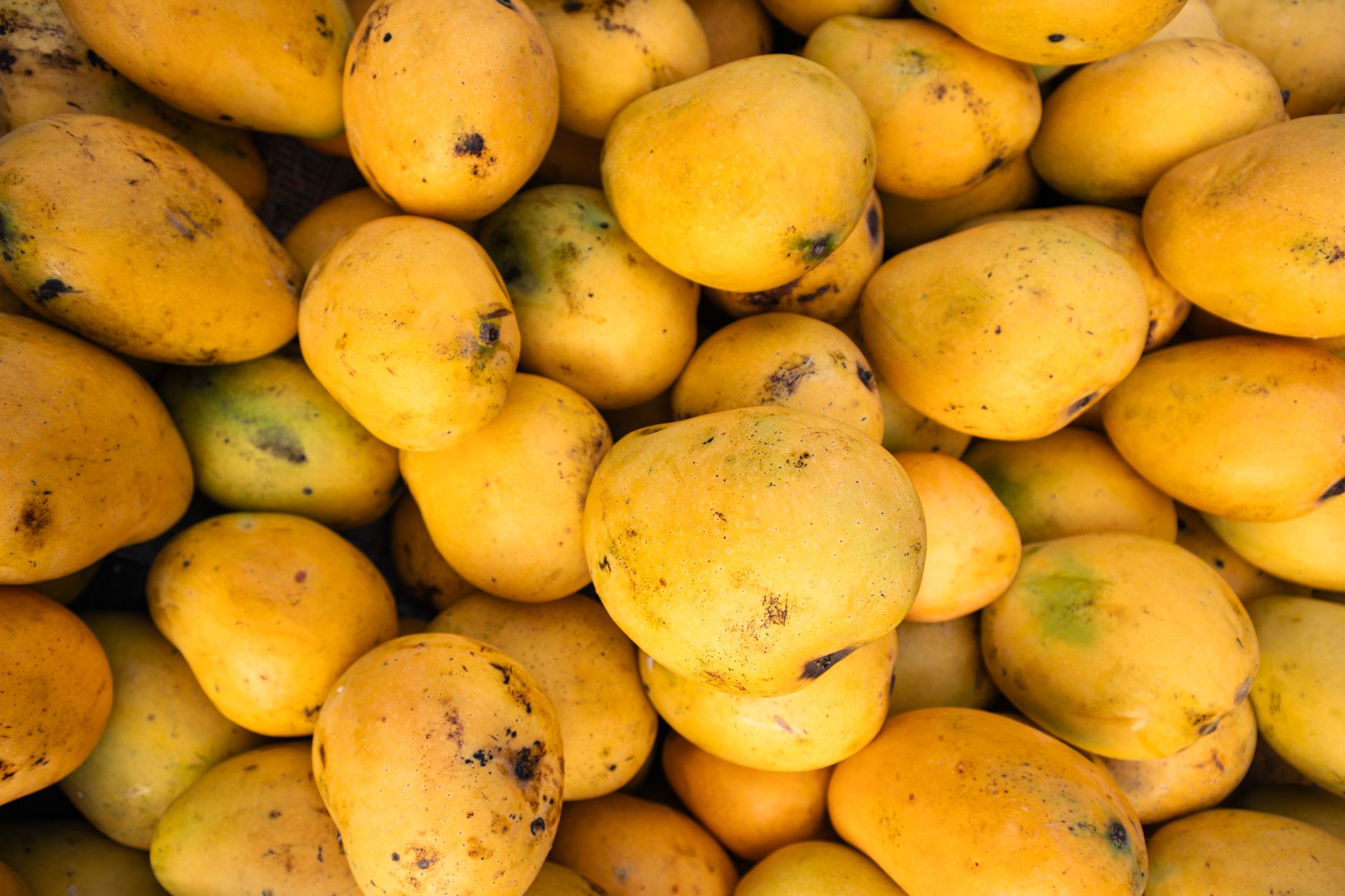
Mangoes are a favorite tropical fruit enjoyed worldwide for their sweet flavor and vibrant color. While many people relish the juicy pulp of the mango, the question often arises: is mango skin edible? This article delves into the edible nature of mango skin, its uses, and various serving ideas to maximize this delicious fruit.
Understanding whether mango skin is edible can enhance your culinary experience. Not only can you utilize more of the fruit, but you might also discover new flavors and textures. Let’s explore this topic in detail.
Is Mango Skin Edible?
Yes, mango skin is edible, but its consumption largely depends on the individual’s personal preference and tolerance. The skin contains a variety of nutrients, dietary fiber, and antioxidants. However, it may also have a slightly bitter flavor and a tougher texture compared to the flesh. It is essential to wash the skin thoroughly to remove any pesticides or waxes used during commercial handling.
Nutritional Value of Mango Skin
The skin of the mango is often overlooked, yet it contains several beneficial compounds. Here are some key nutritional elements found in mango skin:
- Vitamins: Mango skin is rich in vitamins A, C, and E.
- Minerals: It contains potassium, magnesium, and iron.
- Fiber: The skin provides dietary fiber, which aids digestion.
- Antioxidants: Mango skin is high in polyphenols, which help combat oxidative stress.
Potential Risks of Consuming Mango Skin
While mango skin is edible, there are some factors to consider before indulging:
- Pesticides and Chemicals: Non-organic mangoes may have pesticide residues. Washing the skin thoroughly helps minimize exposure.
- Allergenic Reactions: Some individuals may experience allergic reactions to mango skin, particularly those sensitive to urushiol, a compound found in poison ivy.
- Flavor and Texture: The skin has a slightly bitter taste and tougher texture that may not appeal to everyone.
How to Prepare Mango Skin for Eating
If you decide to eat mango skin, here are some simple steps to prepare it:
- Select Fresh Mangoes: Choose ripe mangoes with vibrant skin color. Organic varieties are preferable to avoid pesticide residues.
- Wash Thoroughly: Rinse the mango under running water, scrubbing the skin gently to remove dirt and chemicals. You can use a vegetable brush if available.
- Peeling (Optional): If the texture is unappealing, consider peeling the mango partially or completely to lessen the bitter taste.
- Slice or Dice: Cut the mango into wedges, cubes, or slices, including the skin for additional flavor and nutrition.
Culinary Uses of Mango Skin
Mango skin can be used creatively in various dishes, expanding the utility of this tropical fruit:
Mango Skin Chutney
Mango skin can be transformed into a tangy chutney. Here’s a quick overview of how to make it:
- Ingredients:
- Skin of 2 ripe mangoes
- 1 onion, finely chopped
- 2-3 green chilies, finely chopped
- 1 tablespoon of ginger, minced
- Juice of 1 lime
- Salt, to taste
- 1 teaspoon of sugar (optional)
- Method:
- Blend all the ingredients until smooth.
- Taste and adjust seasoning according to your preference.
- Serve the chutney as a dip or condiment with curries or grilled meats.
Mango Skin Smoothie
Add mango skin to your smoothie for an extra nutrient boost. Here’s how:
- Ingredients:
- 1 ripe mango, flesh and skin
- 1 banana
- 1 cup of spinach or kale (optional)
- 1 cup of yogurt or almond milk
- Ice cubes, to taste
- Method:
- Combine all ingredients in a blender.
- Blend until smooth.
- Pour into a glass and enjoy!
Mango Skin Salad
Create an exciting salad by incorporating mango skin:
- Ingredients:
- Skin of 1 ripe mango, thinly sliced
- Mixed greens (e.g., spinach, arugula)
- Cherry tomatoes, halved
- 1 cucumber, sliced
- Feta cheese (optional)
- Olive oil, balsamic vinegar, salt, and pepper for dressing
- Method:
- In a large bowl, combine all salad ingredients.
- Toss with olive oil and balsamic vinegar, then season with salt and pepper.
- Serve immediately as a vibrant side or main dish.
Creative Serving Ideas for Mango Skin
Here are some imaginative ways to serve mango skin that will wow your guests or add nutritional variety to your meals:
Mango Skin Infused Water
Make refreshing infused water by adding mango skin to your water pitcher. This imparts a subtle sweetness and flavor, making hydration more enjoyable.
Mango Skin Jam
Combine chopped mango skin with sugar and pectin to cook up a delicious jam. This jam can be spread on toast or used as a filling in pastries.
Baked Mango Skin Chips
For a crunchy, healthy snack, make mango skin chips. Slice the skin into thin strips, toss with a bit of olive oil, sprinkle salt, and bake until crispy at 350°F (175°C) for about 10-15 minutes.
Common Questions About Mango Skin
Can I eat mango skin if I’m allergic to poison ivy?
If you’re allergic to poison ivy, it’s advisable to avoid mango skin, as it contains urushiol, which may trigger a similar reaction.
Are there specific types of mango with more edible skin?
Some varieties, like the Ataulfo or Honey mango, have thinner, softer skins compared to others and may be more enjoyable to eat.
Storage Tips for Mango and its Skin
To maintain the quality of mangoes and their skins, follow these storage recommendations:
- Room Temperature: Keep unripe mangoes at room temperature until they ripen.
- Refrigeration: Once ripe, mangoes can be stored in the refrigerator to prolong freshness for up to five days.
- Sliced Mango: Store sliced mango, including the skin, in an airtight container in the refrigerator for 1-2 days.
Conclusion
Incorporating mango skin into your diet not only reduces waste but also adds a unique flavor and texture to your dishes. While it is edible and nutritious, it’s essential to wash it thoroughly and consider personal preferences. Whether you’re making chutney, smoothies, or salads, utilizing mango skin can elevate your meals.
Explore further delicious recipes and cooking tips to enhance your culinary adventures with mangoes and beyond! Check out our Mango Sago Recipe and learn to make a spicy Mango Habanero Sauce.