
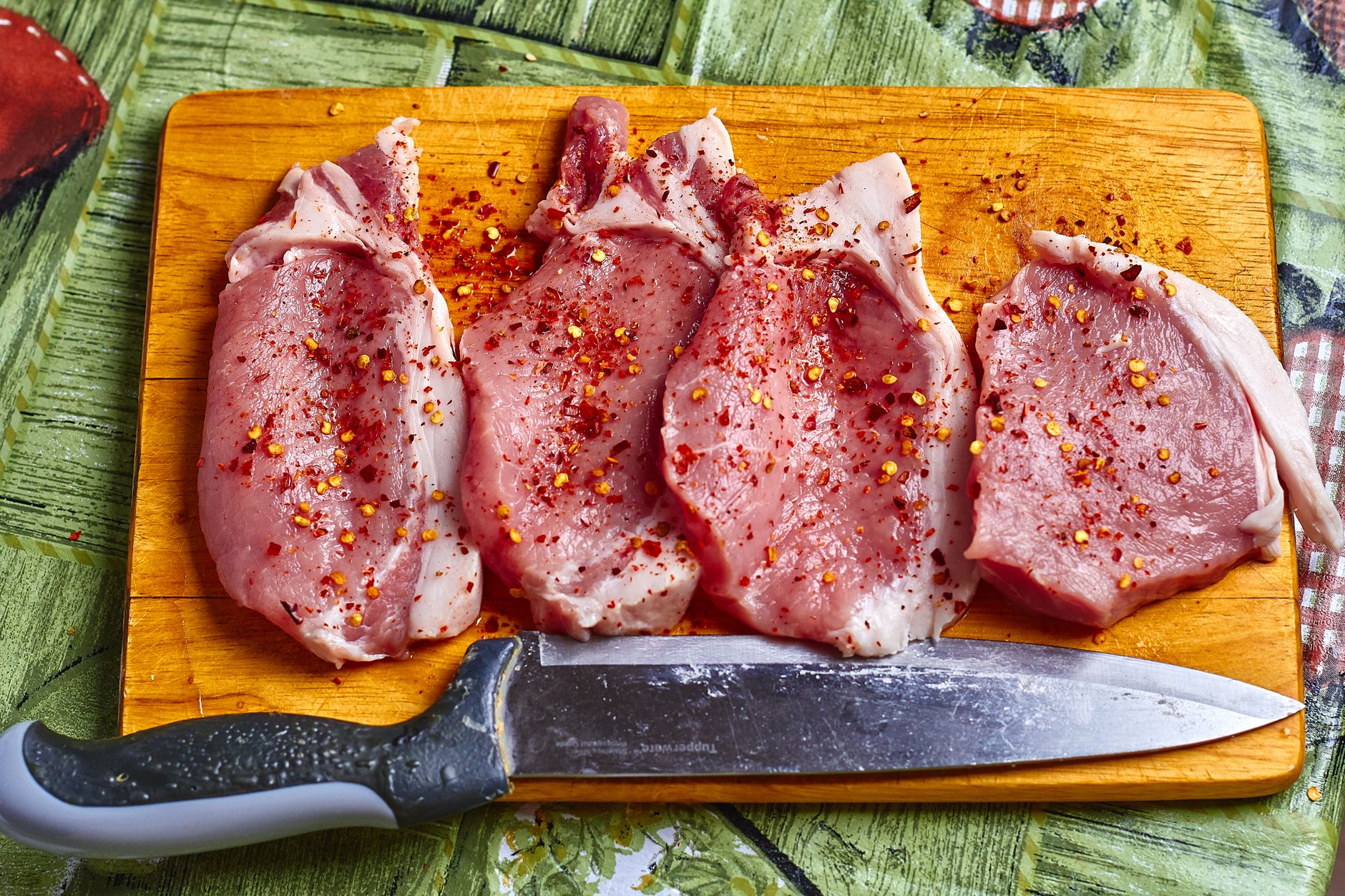
Cooking thick pork chops on the stove can yield juicy, flavorful results when done correctly. This method is versatile, allowing for a deliciously seared exterior while retaining moisture within the meat. Understanding the timing and temperature needed is essential for perfectly cooked chops.
With the right approach, you can achieve a delightful balance of flavor and tenderness. This guide details the necessary steps, cooking times, and tips to prepare thick pork chops on the stove perfectly.
How Long to Cook Thick Pork Chops on Stove?
The cooking time for thick pork chops on the stove typically ranges from 6 to 12 minutes, depending on their thickness and the level of doneness desired. Usually, it takes about 6–7 minutes on each side for a chop that is 1 to 1.5 inches thick to reach an internal temperature of 145°F.
Understanding Pork Chop Thickness
Pork chops come in various thicknesses—typically ranging from 1 to 2 inches. The thickness of the chop significantly impacts the cooking time. Use the following general guidelines:
- 1-inch thick pork chops: Approximately 12–15 minutes total cooking time.
- 1.5-inch thick pork chops: Approximately 15–20 minutes total cooking time.
- 2-inch thick pork chops: Approximately 20–25 minutes total cooking time.
Factors Affecting Cooking Time
Several factors can affect the cooking time of thick pork chops. Understanding these can help achieve optimal results.
1. Starting Temperature
Bring the pork chops to room temperature before cooking. This helps in ensuring even cooking. Chops that are still cold from the fridge will require a longer cooking time.
2. Cooking Equipment
The choice of cookware can also influence cooking time. A heavy skillet or cast-iron pan retains heat better and promotes even cooking. Non-stick pans may require slightly different timings due to less efficient heat conduction.
3. Flame Level
Cook over medium to medium-high heat. If the heat is too low, the chops may not sear properly. Conversely, too high of a heat may cook the exterior without fully cooking the interior.
Ingredients for Cooking Thick Pork Chops
Cooking thick pork chops requires minimal ingredients, yet you can enhance flavors with various seasonings. Here’s what you’ll need:
- Thick pork chops (1 to 2 inches thick)
- Salt
- Pepper
- Olive oil or butter
- Optional: garlic powder, onion powder, thyme, or rosemary for additional flavor
Essential Cooking Equipment
Gather the following equipment before starting:
- Heavy skillet or cast-iron pan
- Tongs
- Meat thermometer
- Serving platter
- Spatula or wooden spoon
Step-by-Step Cooking Guide for Thick Pork Chops
Follow these step-by-step instructions to cook thick pork chops on the stove:
- Preparation: Take the pork chops out of the refrigerator and let them sit at room temperature for about 30 minutes. This step is critical for even cooking.
- Season: Generously season both sides of the pork chops with salt and pepper. If using additional seasonings, sprinkle them evenly for enhanced flavor.
- Heat the Pan: Place your skillet over medium-high heat. Add olive oil or butter and allow it to heat until shimmering or melted.
- Sear the Chops: Place the pork chops in the skillet, ensuring they are not crowded. Allow them to sear for about 6–7 minutes without moving them. This allows a nice crust to form.
- Flip the Chops: Using tongs, carefully flip the chops and reduce the heat to medium. Cook for another 6–7 minutes. If the chops are particularly thick, cover the skillet to help them cook evenly.
- Check Internal Temperature: Use a meat thermometer to check for doneness. The internal temperature should reach 145°F. If necessary, cook for an additional 2–3 minutes, checking frequently.
- Rest: Remove the chops from the skillet and place them on a serving platter. Cover loosely with foil and let them rest for about 5 minutes before serving. This allows the juices to redistribute within the meat.
Common Mistakes to Avoid
While cooking thick pork chops is straightforward, there are common pitfalls to watch out for. Here are some mistakes to avoid:
- Overcooking: This can lead to dry pork chops. Always use a meat thermometer to ensure accuracy.
- Undercooking: Pork should reach a safe minimum internal temperature of 145°F for food safety.
- Skipping the Resting Period: Cutting into the meat too soon may result in all the juices flowing out, leaving you with a dry chop.
- Not Enough Seasoning: Season liberally, as pork can benefit greatly from flavor enhancements.
Flavor Variations
Enhancing the flavor of thick pork chops can be done through marinades or spice rubs. Here are some suggestions:
1. Marinade
A simple marinade can consist of olive oil, soy sauce, minced garlic, and herbs. Allow the pork chops to marinate for at least 30 minutes, or up to overnight for more intense flavor.
2. Spice Rub
Create a rub with brown sugar, paprika, garlic powder, salt, and pepper. This sweet and savory blend complements the natural flavors of pork.
Serving Suggestions
Thick pork chops can be served with a variety of sides to create a well-rounded meal. Here are some great options:
- Mashed potatoes with gravy
- Roasted vegetables like carrots and Brussels sprouts
- Steamed rice or wild rice for a hearty accompaniment
- Apple sauce or a fresh fruit salsa as a sweet contrast
- Simple garden salad for a refreshing touch
Storing and Reheating Leftovers
Cooking for a crowd or meal prepping is a great way to utilize thick pork chops. Here are tips for storing and reheating:
Storage
After the pork chops have completely cooled, store them in an airtight container in the refrigerator for up to 3–4 days. If they are unrefrigerated for more than 2 hours, discard them to ensure food safety.
Reheating
To reheat, place the pork chops in a skillet over medium heat, adding a splash of broth or water to prevent drying out. Heat until warmed through—an internal temperature of 165°F is considered safe for reheating.
Conclusion
Cooking thick pork chops on the stove is an attainable skill that can elevate any meal. With proper timing and attention to detail, you can create mouthwatering, succulent chops that are sure to impress. Remember the key factors of thickness, heat level, and rest time for the best results.
Explore more delicious recipes and cooking tips on our blog, such as this baked pork chop recipe and the flavorful pork chop supreme recipe.