
Citric acid is a common ingredient found in various foods and beverages, known for its tart flavor and preservative qualities. Understanding where citric acid comes from can deepen your appreciation of the foods you consume and enhance your culinary skills.
In this article, we’ll explore the origins of citric acid, its natural sources, and its applications in cooking. We aim to provide a comprehensive guide to this versatile ingredient, making it easier for you to incorporate it into your meals.
Where Does Citric Acid Come From?
Citric acid is a weak organic acid that occurs naturally in many fruits and vegetables, primarily citrus fruits like lemons, limes, oranges, and grapefruits. It is also produced through fermentation and industrial processes to meet global demand.
The Natural Sources of Citric Acid
The primary sources of citric acid in nature are various fruits and vegetables. In particular, citric acid is found in high concentrations in citrus fruits. Here are some details about these natural sources:
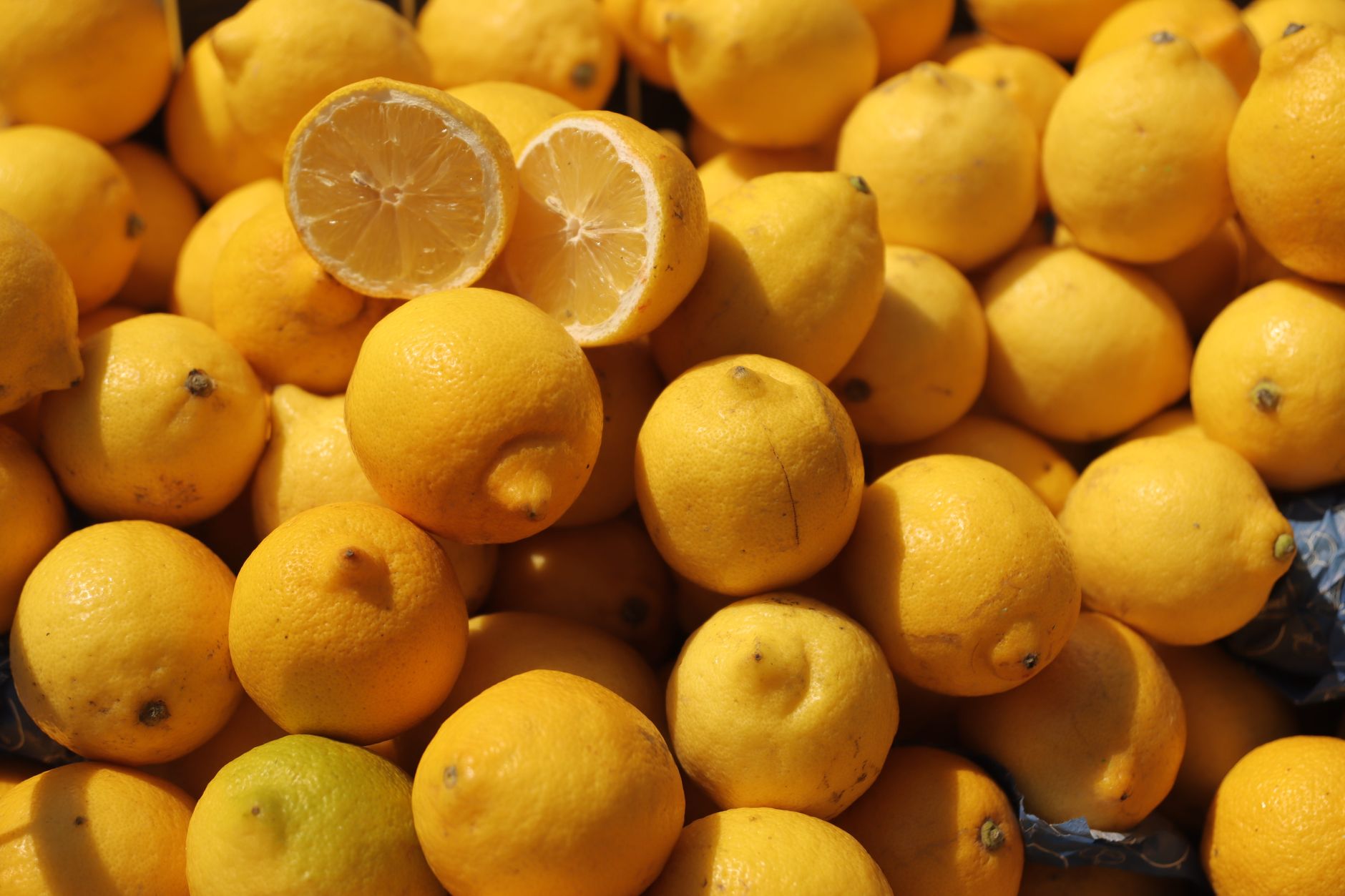
- Lemons: Lemons contain approximately 5-7% citric acid, making them one of the richest natural sources. Their tart flavor is largely attributed to this acidic content.
- Limes: Limes are similar to lemons in citric acid concentration, providing a refreshing zesty taste perfect for beverages and marinades.
- Oranges: Oranges contain about 1-2% citric acid and are widely consumed for their juice and zest.
- Grapefruits: Grapefruits also contain citric acid, contributing to their famously tangy flavor, often enjoyed in fresh salads or as juice.
- Berries: Certain berries, such as strawberries and raspberries, have smaller amounts of citric acid, adding to their acidic profile.
- Tomatoes: Surprisingly, tomatoes also contain citric acid, which contributes to their savory acidity.
Industrial Production of Citric Acid
While natural sources of citric acid are widely recognized, a significant portion of citric acid consumed today is produced through industrial fermentation. Here’s how that process works:
- Fermentation: The production of citric acid typically involves the fermentation of carbohydrates, mainly sourced from corn or cane sugar, using the mold Aspergillus niger.
- Growth Phase: In controlled environments, the mold is introduced to a nutrient-rich medium, enabling it to thrive and convert sugar into citric acid.
- Extraction: After fermentation, the citric acid is extracted and purified through crystallization, ensuring that the end product meets food-grade standards.
Uses of Citric Acid in Cooking
Citric acid is incredibly versatile in the kitchen and serves various functions in cooking and food preservation. Here are some popular applications:
Flavor Enhancer
Citric acid’s tartness makes it an excellent flavor enhancer in recipes. It can elevate the taste of sauces, dressings, and marinades, adding depth to flavor profiles.
Preservative
The acidic environment created by citric acid inhibits the growth of bacteria, making it a common preservative in canned foods, jams, and jellies. This helps these products maintain their freshness over time.
pH Control
In baking and when preparing certain foods, maintaining a specific pH is essential. Citric acid can help control acidity levels, impacting how ingredients behave and react during cooking.
Emulsifier
Citric acid is often used in salad dressings and sauces to help blend oil and water components, creating a more stable emulsion.
Flavoring Agent in Beverages
Citric acid is frequently added to soft drinks, energy drinks, and cocktails to impart a refreshing, tart flavor. It also enhances the overall drinking experience by balancing sweetness.
Substitutes for Citric Acid
While citric acid is widely utilized, there are several substitutes if you find yourself without it. Depending on your specific needs, some alternatives include:
- Lemon Juice: As a natural source of citric acid, lemon juice can be used in similar quantities to replace citric acid, although the flavor will be slightly different.
- Lime Juice: Like lemons, limes offer comparable acidity and can easily take the place of citric acid in beverages and marinades.
- Tartaric Acid: Commonly found in cream of tartar, tartaric acid has a similar acidity level but may impart a different taste in certain dishes.
- Ashy Powder: Some cooking enthusiasts use powdered ascorbic acid (Vitamin C) as a substitute; however, it lacks the characteristic flavor of citric acid.
Common Mistakes When Using Citric Acid
When utilizing citric acid in your cooking or baking, here are some common pitfalls to avoid:
- Overuse: Too much citric acid can make dishes overly sour. Start with a small amount and adjust gradually.
- Ignoring Substitution Ratios: If substituting citric acid with lemon or lime juice, remember that the juice contains water. Adjust other liquid ingredients as necessary in recipes.
- Not Balancing Flavor: Citrusy acidity should be balanced with sweetness or salt to create a harmonious flavor profile in dishes.
Cooking Tips with Citric Acid
Using citric acid effectively can enhance your cooking. Here are some helpful tips:
- Use Fresh Ingredients: Pair citric acid with fresh herbs and vegetables to amplify the brightness of your dishes.
- Balance is Key: Combine citric acid with other flavors—sweet or umami—to create complexity in your meals.
- Experiment with Quantities: Start with small amounts and taste your dish. Add more if needed, but do so with caution!
Storage and Shelf Life of Citric Acid
Citric acid, in its dry form, has a long shelf life when stored correctly. Here are some guidelines:
- Storage: Keep citric acid in a cool, dry place, away from moisture and direct sunlight. Airtight containers help preserve its potency and quality.
- Usage: Check the expiration date and avoid using it if it has clumped or lost its sour aroma.
Conclusion
Citric acid is a widely used ingredient in cooking and food preservation, deriving primarily from citrus fruits and industrial fermentation processes. Understanding its origins and applications can enhance your culinary repertoire and encourage innovative uses in various dishes.
Next time you’re in the kitchen, consider using citric acid to elevate flavors, preserve freshness, or balance your recipes. For further culinary exploration, check out what molasses is made from or discover a delightful orange sherbet recipe.