
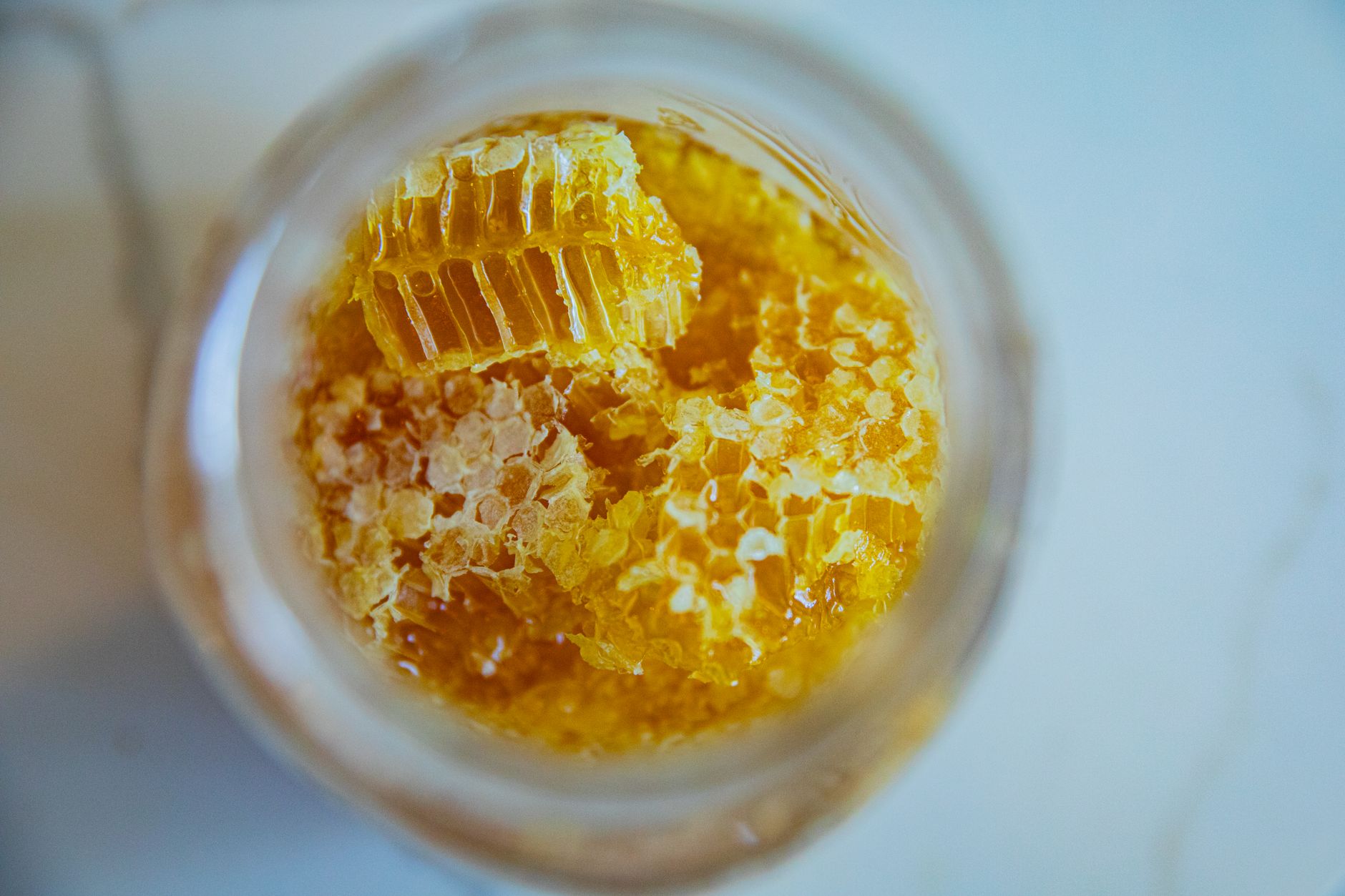
Clover honey is a popular variety known for its light flavor and mild sweetness. As consumers seek to improve their diets and discover natural substitutes for sugars, many wonder if clover honey is a healthy choice. Understanding the nutritional profile and benefits of clover honey can help you make informed decisions about its inclusion in your diet.
This article will explore the nutritional aspects of clover honey, its potential health benefits, potential drawbacks, and practical advice on how to incorporate it into your meals. By the end, you will have a well-rounded understanding of whether clover honey is a good choice for you.
Is Clover Honey Good for You?
Clover honey is generally considered a healthy sweetener, primarily due to its natural origins. It contains vitamins, minerals, and antioxidants, which can contribute positively to your diet. However, like any sweetener, moderation is key.
Nutrition Profile of Clover Honey
Clover honey contains a blend of natural sugars, vitamins, and minerals that can provide various benefits. Here’s a breakdown of its nutritional components:
- Sugars: Primarily fructose and glucose, which provide quick energy.
- Calories: Approximately 64 calories per tablespoon (21 grams).
- Vitamins: Small amounts of B vitamins, vitamin C, and vitamin A.
- Minerals: Contains calcium, potassium, magnesium, and iron.
- Antioxidants: Includes phenolic acids and flavonoids, which can help in reducing oxidative stress.
Aside from these constituents, clover honey can also contain trace amounts of enzymes, amino acids, and probiotics, depending on its processing. Raw clover honey, which has not been filtered or heated beyond what occurs naturally in the hive, retains more of these beneficial properties.
Potential Health Benefits of Clover Honey
Several potential health benefits make clover honey an attractive choice for naturally sweetening your food. Here are some of the notable advantages:
1. Antioxidant Properties
The antioxidants present in clover honey can scavenge free radicals in the body, which may help reduce the risk of chronic diseases. These antioxidants can improve overall health by combating oxidative stress and inflammation.
2. Natural Energy Source
Due to its high sugar content, clover honey can serve as an excellent quick energy source. Athletes and active individuals often use honey to boost their energy before or during exercise.
3. Soothing Sore Throats
Many people find clover honey helpful in soothing sore throats. Mixing clover honey with warm water or herbal tea can provide relief due to its antimicrobial properties, potentially aiding in the recovery from respiratory infections.
4. Allergy Relief
Some anecdotal evidence suggests that consuming local honey, such as clover honey, may help build immunity against local pollen allergens, possibly reducing hay fever symptoms. However, more research is needed to confirm these claims.
5. Skin Benefits
When applied topically, clover honey can act as a moisturizer and promote wound healing. Its natural antibacterial properties can help keep the skin clean and may assist in treating minor wounds and burns.
Considerations When Using Clover Honey
While clover honey has several benefits, it is essential to consider potential drawbacks:
1. High Sugar Content
Clover honey, like all forms of sugar, should be consumed in moderation. Overconsumption can lead to weight gain, increased blood sugar levels, and other health issues related to high sugar intake.
2. Allergies
Even though honey can provide some allergy relief, some individuals may have allergic reactions to honey or bee products. If you are unsure, consult a healthcare professional before incorporating clover honey into your diet.
3. Infant Safety
Clover honey should not be given to infants under one year of age due to the risk of botulism, a rare but severe illness caused by a toxin produced by bacteria present in honey.
How to Incorporate Clover Honey into Your Diet
If you decide to include clover honey in your diet, there are many delicious ways to do so:
1. Sweetening Beverages
Use clover honey to sweeten tea, coffee, or smoothies. Start with a small amount, tasting as you go to achieve your desired sweetness.
2. Baking
Clover honey can be used in place of sugar or other sweeteners in many baking recipes. Replace about 3/4 cup of sugar with 1 cup of clover honey, reducing the liquid in the recipe slightly to maintain the desired consistency. This substitution can enhance flavors in cakes, muffins, and even bread.
3. Salad Dressings
Mix clover honey with vinegar and olive oil for a delicious salad dressing. This combination adds a touch of sweetness to balance out the acidity.
4. Marinades
Create a flavorful marinade for meat or vegetables by combining clover honey with soy sauce, garlic, and spices. This mixture adds a beautiful glaze when grilled or roasted.
5. Breakfast Boost
Drizzle clover honey over yogurt, oatmeal, or pancakes for a natural sweetener that complements many flavors. You can also mix it into smoothie bowls for added sweetness and nutrition.
Practical Portion Guide for Clover Honey
Determining appropriate serving sizes can help you enjoy clover honey without going overboard on sugar. Here are some practical serving suggestions:
- For sweetening beverages, aim for 1 to 2 teaspoons (5-10 grams) per serving.
- When using in recipes or baking, consider using clover honey as a sugar substitute, keeping in mind to adjust the liquid ingredients accordingly.
- For salad dressings and marinades, about 1 tablespoon (21 grams) per recipe generally provides balanced flavor.
- When using on breakfast items, limit drizzle amounts to 1 tablespoon (21 grams) for better portion control.
Substituting Clover Honey in Recipes
Clover honey can be substituted with other natural sweeteners, although the flavor and consistency may vary. Here are some suggested alternatives:
- Agave Nectar: Similar sweetness and viscosity, but has a slightly different flavor profile.
- Maple Syrup: Offers a distinct taste, and usually can be used in a 1:1 ratio with honey.
- Brown Rice Syrup: Less sweet than honey; you may need to adjust the quantity (1.25 cups for every cup of honey).
- Coconut Nectar: A lower glycemic index alternative, though it may have a different taste and texture.
Common Mistakes When Using Clover Honey
To make the most out of clover honey, here are some common pitfalls to avoid:
- Overheating: Avoid adding honey to boiling liquids, as excessive heat can destroy its beneficial enzymes and antioxidants.
- Substituting Incorrectly: Ensure to adjust liquid ingredients when using honey as a sugar substitute to maintain recipe balance.
- Ignoring the Source: Opt for raw or organic clover honey for maximum health benefits, as highly processed varieties may lack nutritional content.
Storage and Shelf Life of Clover Honey
Proper storage of clover honey is essential to maintain its quality:
- Store clover honey in a cool, dry place, away from sunlight.
- Use a tightly sealed container to prevent contamination and maintain freshness.
- Clover honey has an indefinite shelf life if stored correctly. However, over time, it may crystallize; this is natural and can be reversed by placing the container in warm water.
After considering its numerous health benefits and culinary applications, clover honey can be a valuable addition to your diet in moderation. Next time you are looking for a sweetener, consider reaching for clover honey as a natural alternative.
For delicious dishes featuring honey, try our Honey Sesame Chicken recipe, or whip up a homemade treat with our Honey Syrup Recipe. Explore these options to make the most of honey’s sweet potential!