
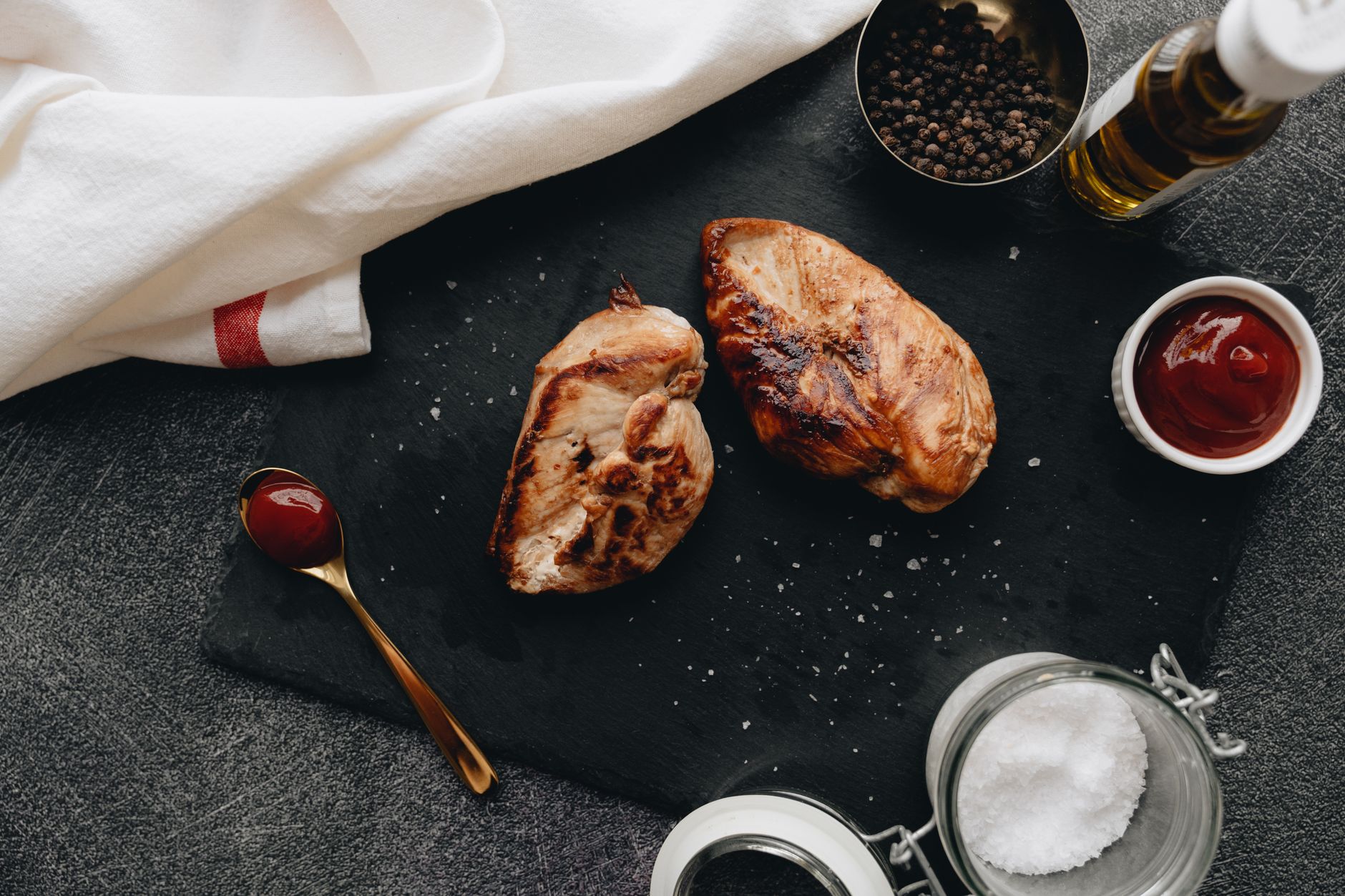
Understanding how much protein is in 4 oz of chicken is crucial for meal planning, especially for those focused on fitness, healthy eating, or weight management. Chicken is a versatile protein source that fits into various diets and cuisines, making it a staple ingredient.
In this article, we’ll break down the protein content in 4 oz of chicken, explore its nutritional benefits, and provide practical advice on incorporating it into your diet effectively.
How Much Is 4 Oz of Chicken Protein?
Four ounces of cooked chicken breast contains approximately 35 grams of protein. This is a substantial amount, making chicken an excellent choice for anyone looking to boost their protein intake for muscle repair, energy, or overall health.
Nutritional Breakdown of Chicken
The nutritional profile of chicken can vary slightly depending on the cut and cooking method. Here is a breakdown of the nutritional content commonly found in 4 oz of skinless, boneless chicken breast:
- Calories: About 187
- Total Fat: 4 grams
- Carbohydrates: 0 grams
- Protein: 35 grams
- Sodium: Approximately 75 mg
Healthy Fats and Nutrients
The fat content in chicken is relatively low, particularly in the breast cut, which is often favored for its lean qualities. Eating chicken not only provides protein but also essential nutrients like vitamin B6, niacin, selenium, and phosphorus, making it a well-rounded food choice.
How to Prepare Chicken for Maximum Nutrition
To get the most nutritional benefits from chicken, it is best to avoid breading or frying it. Here are some healthy cooking methods:
- Grilling: Grilling chicken allows the fats to drip away while locking in moisture. Season with spices or marinades to enhance flavor.
- Baking: Baking chicken is another fat-reducing method. Consider wrapping it in foil or parchment paper with vegetables for a wholesome sheet pan meal.
- Poaching: Poaching chicken in broth is a quick and flavorful way to keep it tender and moist without added fats.
Portion Control and Serving Sizes
While 4 oz of chicken is a standard portion, understanding how it fits into your daily protein needs is essential. The recommended dietary allowance (RDA) for protein varies based on age, sex, and activity level:
- Women: Approximately 46 grams per day
- Men: Approximately 56 grams per day
- Active individuals may require more, often up to 1.2 to 2.0 grams of protein per kilogram of body weight.
Common Ways to Include Chicken in Meals
Integrating chicken into your diet can be both simple and delicious. Here are a few meal ideas that showcase 4 oz of chicken:
- Chicken Salad: Pair 4 oz of diced chicken with mixed greens, tomatoes, cucumber, and a light dressing for a nutritious lunch.
- Stir-fried Chicken: Sauté 4 oz of chicken with a variety of vegetables and a choice of low-sodium soy sauce for a quick dinner.
- Grilled Chicken Wrap: Wrap 4 oz of chicken in a whole wheat tortilla with lettuce, avocado, and salsa for a satisfying meal on the go.
Substitutions for Chicken in Recipes
If you are looking for alternatives to chicken or need to accommodate dietary preferences, several options provide similar protein levels:
- Turkey: Comparable in protein content and flavor, turkey can be used in most chicken recipes.
- Tofu: A plant-based alternative with about 10 grams of protein per 4 oz, perfect for vegetarian meals.
- Fish: Fish like salmon or tuna delivers similar protein levels, alongside healthy omega-3 fatty acids.
Cooking Temperatures and Food Safety
To ensure chicken is safe to eat, it is vital to cook it to the correct internal temperature. The USDA recommends an internal temperature of 165°F (75°C) to ensure harmful bacteria are killed. Here’s how to effectively check the temperature:
- Use a meat thermometer inserted into the thickest part of the chicken.
- Make sure it doesn’t touch bone to get an accurate reading.
Common Cooking Mistakes and Troubleshooting
When preparing chicken, certain mistakes can lead to overcooked, dry meat or undercooked poultry:
- Not Letting it Rest: Allow cooked chicken to rest for a few minutes before slicing; this helps retain moisture.
- Skipping the Marinade: Marinades not only add flavor but can also help tenderize the chicken.
- Cooking Too Quickly: High heat can lead to an outside that’s overcooked and an inside that’s underdone. Lower the heat and extend the cooking time for better results.
Meal Planning with Chicken
Planning meals with chicken can save time and enhance your nutrition throughout the week. Here’s how to effectively utilize chicken to simplify your cooking:
- Batch Cooking: Cook a large batch of chicken at once. Store it in the refrigerator or freezer to have protein ready for various meals.
- Multipurpose Ingredients: Integrate chicken into recipes that share common ingredients, like using roasted vegetables in salads and wraps.
- Weekly Menus: Structure weekly menus around chicken to streamline your shopping and cooking processes.
Storage and Reheating Guidelines
Proper storage and reheating are essential for food safety and maintaining the quality of cooked chicken:
- Store cooked chicken in airtight containers in the refrigerator for up to 3-4 days.
- For longer-term storage, freeze cooked chicken for up to 4 months.
- Reheat chicken to an internal temperature of 165°F (75°C) before consuming.
The Environmental Impact of Chicken Production
It’s worth noting the environmental considerations regarding chicken farming. Chicken is generally considered a more sustainable protein option compared to beef or lamb. However, excessive consumption can still contribute to broader environmental issues:
- Choose organic or pasture-raised chickens when possible, as these options generally come from farms practicing sustainable methods.
- Consider incorporating more plant-based meals into your diet as a way to reduce personal environmental impact.
Conclusion
Understanding the protein content of chicken and how to prepare it can significantly contribute to a healthy diet. With 4 oz of chicken comprising about 35 grams of protein, it serves as a powerful protein source in various meals. Remember to consider cooking methods, portions, and meal planning to fully utilize this versatile ingredient.
Explore related recipes and improve your cooking skills with these practical guides on freezing cooked chicken and learn about proper chicken storage. Enjoy your culinary adventures!