
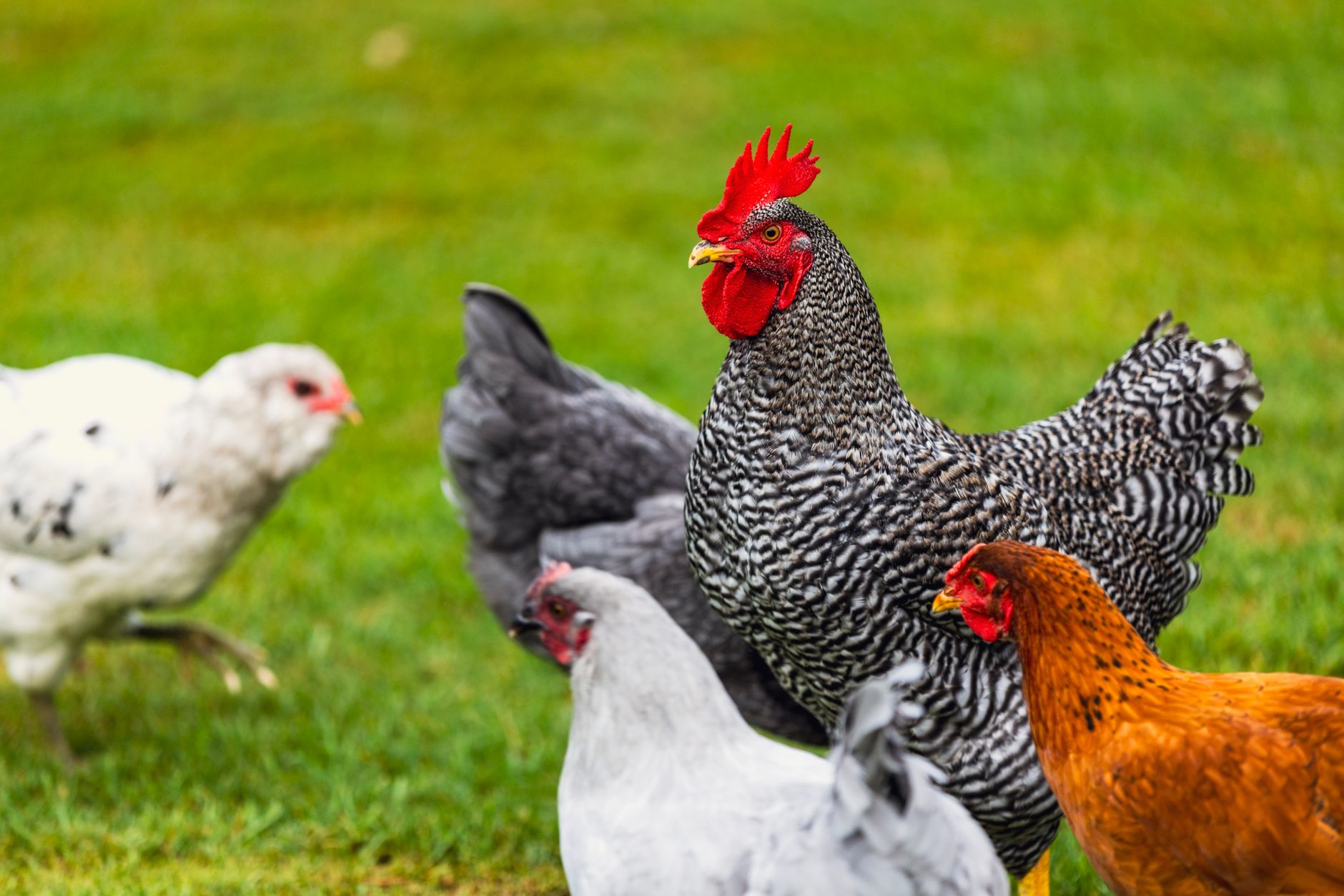
When considering the culinary uses for egg-laying chickens, many wonder if these birds can be consumed after they have finished their productive laying years. The answer is yes, you can eat egg-laying chickens, though there are important factors to consider regarding their texture, flavor, and the best cooking methods. Understanding the nuances around cooking these chickens provides insight into maximizing their use.
Egg-laying chickens, usually older breeds, may not be marketed for meat due to their age and differing flavor profiles compared to broiler chickens. However, they can still be a valuable and economical source of protein. This guide will delve into the intricacies of consuming egg-laying chickens, their best culinary applications, and how to handle them safely in the kitchen.
Can You Eat Egg Laying Chickens?
Yes, egg-laying chickens can be eaten, especially after they’ve reached the end of their laying life, typically around 2 to 3 years old. These chickens, often referred to as “spent hens,” can provide a distinct flavor and texture that differs from broiler chickens. Their meat is usually tougher and can require specific cooking techniques to achieve optimal results.
Understanding the Differences Between Egg-Laying and Meat Chickens
To appreciate why egg-laying chickens can be eaten, it’s essential to understand the distinctions between laying hens and meat chickens. Broiler chickens are specifically bred for meat production, yielding more tender, heavier meat within a shorter timeframe. In comparison:
- Age: Broiler chickens are typically harvested at 6 to 8 weeks, while laying hens can live much longer, mainly due to their reproductive cycles.
- Size: Egg-laying breeds tend to be smaller and less meaty compared to broiler chickens.
- Flavor: The meat of laying hens is often richer and has a more pronounced flavor, attributed to their varied diets and older age.
- Texture: Meat from older chickens generally has a firmer and slightly tougher texture, requiring specific preparation and cooking techniques.
Culinary Uses for Egg-Laying Chickens
Egg-laying chickens can be used in various culinary applications. Here are some common uses:
Soups and Stocks
One of the best ways to utilize spent hens is in soups and stocks. Cooking the meat slowly can help tenderize it, allowing the flavors to meld beautifully.
- Start by cleaning the chicken and cutting it into quarters.
- Place the chicken in a large pot and cover it with water.
- Add aromatics such as onion, carrots, celery, garlic, and herbs.
- Simmer gently for several hours to extract flavors.
- Once the meat is tender, strain the liquid and use it as a base for soups or sauces.
Casseroles and Stews
Another excellent way to utilize egg-laying chickens is by incorporating them into hearty casseroles or stews. This method benefits from the long, slow cooking process, making the meat more enjoyable.
- Dice the chicken into small, manageable pieces.
- Brown the chicken in a skillet with oil to enhance flavor.
- Transfer to a casserole dish and add vegetables, grains like rice or barley, and rich broth.
- Bake in the oven at 350°F (175°C) until cooked through and tender, usually around 1 to 2 hours.
Grilling or Roasting
While grilling or roasting a spent hen requires a bit more care, it can result in deliciously caramelized and flavorful meat. To optimize tenderness:
- Marinate the chicken overnight to add flavor and moisture.
- Preheat the grill or oven to a lower temperature, around 300°F (150°C).
- Cook the chicken slowly, turning occasionally, until the internal temperature reaches 165°F (74°C).
- Let rest before carving, allowing the juices to redistribute.
Why Should You Consider Eating Egg-Laying Chickens?
There are several benefits to considering egg-laying chickens for your meals:
- Cost-Effective: Utilizing spent hens can help maximize your investment in poultry, reducing food waste.
- Flavorful Options: The meat can have a deeper flavor due to the diet of laying hens, which is often varied and nutritious.
- Sustainability: Eating chickens that have finished their laying cycle promotes sustainability by ensuring that less food goes to waste.
How to Prepare Egg-Laying Chickens for Cooking
Preparing egg-laying chickens requires special attention to ensure the best results. Here are some key steps:
Proper Cleaning
Before cooking, ensure that the chicken is clean. This may include:
- Removing feathers, if any remain.
- Thoroughly washing the chicken under cold running water.
- Ensuring that all internal organs are removed, as this can affect flavor if not done correctly.
Cooking Techniques for Best Results
Given the toughness of spent hens, cooking them low and slow is often the best approach:
- Slow Cooking: Techniques like braising or using a slow cooker can yield tender meat.
- Pressure Cooking: A pressure cooker offers a quick solution to tenderize tough meat without sacrificing flavor.
- Marinating: Marinades can help enhance flavor and moisture retention before cooking.
Common Mistakes When Cooking Egg-Laying Chickens
To prevent setbacks while cooking, be aware of these common mistakes:
- Rushing Cooking Times: Cooking too quickly can lead to tough, dry meat. Patience is essential.
- Ineffective Seasoning: Laying hens can benefit from robust spices and marinades; don’t hold back.
- Neglecting Rest Time: Allowing cooked meat to rest will significantly enhance tenderness and flavor.
Storage and Safety Considerations
Understanding how to store and handle chicken safely is crucial to avoid foodborne illnesses:
Storage Guidelines
Once harvested or purchased, here are a few key tips:
- Refrigeration: Store fresh chicken in the refrigerator and use within 1 to 2 days.
- Freezing: If not used immediately, chicken can be frozen for up to 12 months; ensure it’s wrapped tightly to prevent freezer burn.
Cooking Temperatures
For safe consumption, always ensure chicken reaches an internal temperature of:
- 165°F (74°C) for all cooked chicken products.
Conclusion
Eating egg-laying chickens can be a sustainable and flavorful choice for those looking to maximize their culinary options. After understanding their unique characteristics and cooking requirements, cooks can enjoy a range of dishes utilizing these spent hens. The richness in flavor, combined with proper preparation techniques, can lead to delicious results worthy of any meal.
Explore related resources to learn more about food safety and storage with our guides on how long chicken is good for in the fridge and how long does cooked chicken last. These insights can assist you in safely enjoying your culinary adventures with egg-laying chickens.