
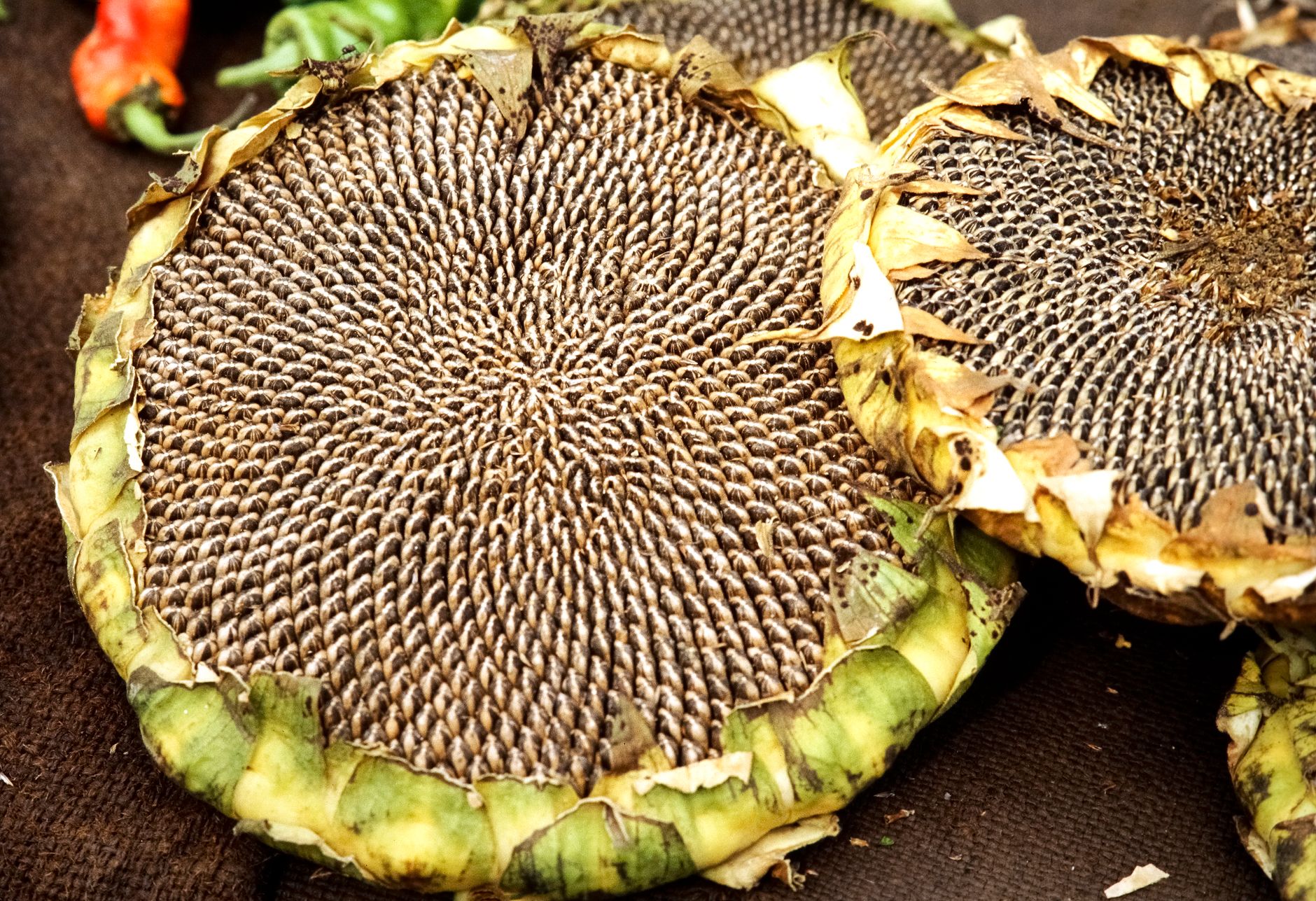
Sunflower seed butter has gained popularity as a nutritious alternative to traditional nut butters. Its unique flavor, creamy texture, and impressive nutritional profile make it a favorite among health enthusiasts and those with dietary restrictions. In this article, we will explore the nutrition facts of sunflower seed butter, its health benefits, and some practical tips on how to incorporate it into your diet.
Understanding the nutritional value and potential health benefits of sunflower seed butter is essential for making informed choices in your diet. Let’s dive deep into whether sunflower seed butter is good for you and how best to add it to your meals.
Is Sunflower Seed Butter Good for You?
Sunflower seed butter is nutrient-dense and can offer various health benefits, making it a good addition to your diet. It is rich in healthy fats, protein, vitamins, and minerals while being free from major allergens such as nuts, which makes it suitable for those with allergies.
Nutritional Breakdown of Sunflower Seed Butter
To grasp how sunflower seed butter can fit into a balanced diet, it’s valuable to look at its nutritional content. Below is an approximate breakdown for a 2-tablespoon serving of sunflower seed butter:
- Calories: 200-210
- Protein: 7 grams
- Fat: 16 grams (of which saturated fat is about 1.5 grams)
- Carbohydrates: 6-7 grams
- Fiber: 2-3 grams
- Sugars: 1-2 grams
- Vitamin E: 10% of the Recommended Daily Value (DV)
- Magnesium: 15% of DV
- Vitamin B6: 10% of DV
- Iron: 6% of DV
- Phosphorus: 14% of DV
Health Benefits of Sunflower Seed Butter
The benefits of sunflower seed butter extend beyond its nutrient content. It can contribute positively to various aspects of health:
1. Rich in Healthy Fats
Sunflower seed butter contains mainly unsaturated fats, which are beneficial for heart health. These fats can help lower bad cholesterol levels, potentially reducing the risk of heart disease.
2. High in Vitamin E
As a significant source of vitamin E, sunflower seed butter acts as an antioxidant, helping to fight oxidative stress. This may benefit skin health and boost the immune system.
3. Excellent Source of Minerals
Sunflower seed butter is rich in phosphorus, magnesium, and copper. Each of these minerals plays a vital role in bone health, energy production, and maintaining nerve function.
4. Supports Plant-Based Diets
For those on vegetarian or vegan diets, sunflower seed butter serves as an excellent source of protein. It can help meet protein needs without relying on animal products.
5. Allergy-Friendly Option
Sunflower seed butter is a perfect alternative for people with nut allergies. It allows those individuals to enjoy the taste and spreadability of nut butters while avoiding allergenic ingredients.
How to Incorporate Sunflower Seed Butter into Your Diet
Now that we understand its health benefits, let’s look at some delicious ways to incorporate sunflower seed butter into your meals:
1. Breakfast Options
- Toast: Spread sunflower seed butter on whole-grain toast and top it with banana slices or honey for a nutritious breakfast.
- Overnight Oats: Stir a spoonful into overnight oats for added creaminess and nutrition.
- Smoothies: Blend sunflower seed butter into smoothies for a protein boost and a rich texture.
2. Snack Ideas
- Fruit Dip: Use sunflower seed butter as a dip for apple slices, celery sticks, or banana halves for a satisfying snack.
- Energy Balls: Combine sunflower seed butter with oats, honey, and seeds to create energy balls that are perfect for on-the-go snacking.
- Rice Cakes: Spread sunflower seed butter on rice cakes and top with your favorite toppings such as raisins or chocolate chips.
3. Lunch and Dinner
- Sandwiches: Make a sandwich using sunflower seed butter and your choice of fruit preserves for a sweet and savory combination.
- Sauces: Incorporate sunflower seed butter into salad dressings or dipping sauces for a creamy, nutty flavor that enhances various dishes.
- Curries and Stir-Fries: Add sunflower seed butter to curries or stir-fry dishes for a unique, rich taste.
4. Baking
- Cookies: Substitute sunflower seed butter for peanut butter or almond butter in your favorite cookie recipes.
- Muffins: Incorporate sunflower seed butter into muffin batters for extra moisture and flavor.
- Pancakes: Mix sunflower seed butter into pancake batter for a nutty twist on breakfast.
Practical Tips for Buying and Storing Sunflower Seed Butter
To maximize the benefits of sunflower seed butter, consider the following tips:
1. Choosing the Right Brand
- Look for sunflower seed butter with minimal ingredients, typically just sunflower seeds and salt.
- Avoid brands that add excessive sugar or oils; natural options are healthier.
- Consider buying organic if possible, to reduce exposure to pesticides.
2. Storage Instructions
- Store opened sunflower seed butter in the refrigerator to prolong its shelf life.
- Keep it tightly sealed to prevent it from absorbing odors from other foods.
- Natural sunflower seed butter may separate; stir it well before each use.
Common Concerns and Considerations
While sunflower seed butter offers numerous health benefits, it’s essential to be aware of a few considerations:
1. Caloric Content
High in calories, sunflower seed butter should be consumed in moderation, especially if you are watching your caloric intake. Two tablespoons provide around 200-210 calories, which can add up if used liberally.
2. Sodium Content
Depending on the brand, sunflower seed butter can have varying sodium levels. Check the labels and opt for low-sodium versions if necessary.
3. Allergies
Although sunflower seed butter is nut-free, some individuals may still have allergies to sunflower seeds. It is important to ensure it is safe for your specific dietary needs.
Practical Substitutions for Sunflower Seed Butter
When sunflower seed butter is unavailable or if you want to try something different, here are a few alternatives:
- Peanut Butter: A common substitution with a similar flavor but higher protein content.
- Almond Butter: Similar texture and nutritional benefits, though almond butter typically has a nutty flavor.
- Cashew Butter: Creamier than sunflower seed butter, with a subtle sweetness.
- Pumpkin Seed Butter: Offers a similar texture and nut-free option with its own unique flavor.
Common Mistakes When Using Sunflower Seed Butter
To enjoy sunflower seed butter at its best, avoid these common mistakes:
1. Not Stirring Properly
If using natural sunflower seed butter, it tends to separate. Ensure you stir it thoroughly to mix the oils back in for optimum consistency.
2. Overusing as a Spread
While it is delicious, remember that sunflower seed butter is calorie-dense. Use it wisely in your recipes or as a spread.
3. Ignoring Flavor Pairings
Sunflower seed butter pairs well with a variety of flavors, including sweet and savory. Experiment to find the combinations that appeal to you, such as using it with chocolate or spicy ingredients.
Possible Drawbacks of Sunflower Seed Butter
Though sunflower seed butter can be a nutritious option for many, it’s not without its drawbacks:
1. Nutritional Imbalance
Relying solely on sunflower seed butter may lead to an imbalance of nutrients. Balance it with various protein and fat sources for a more comprehensive diet.
2. Flavor Preferences
The taste may not appeal to everyone. Some find the nutty flavor less satisfying than more traditional nut butters.
Conclusion
Sunflower seed butter can be a nutritious and versatile addition to your pantry, providing a host of culinary uses while offering nutritional benefits. When exploring new ingredients, always consider dietary restrictions and personal taste preferences. As you experiment with sunflower seed butter, you may discover new favorite recipes and combinations.
If you’re looking to expand your knowledge further, explore delicious recipes like chia pudding in coconut milk or learn about the benefits of chia seeds to enhance your meals and snacks.