
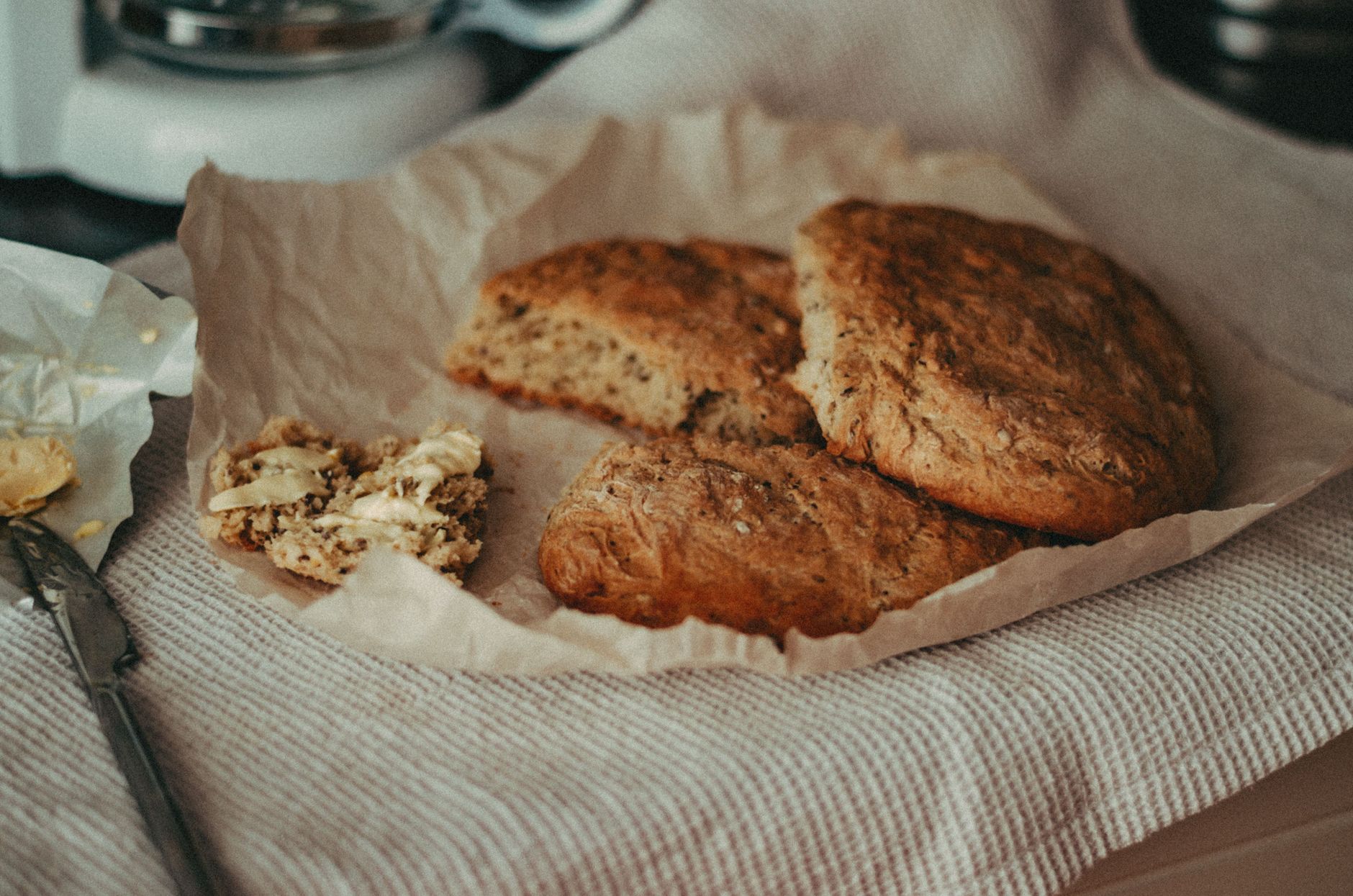
Kerrygold butter, renowned for its vibrant yellow color and rich flavor, has gained a dedicated following among butter enthusiasts and cooks alike. Originating from Ireland, this butter is made from the milk of grass-fed cows, which enhances its unique taste profile and nutritional value.
In this article, we’ll explore what makes Kerrygold butter so special, discuss its culinary uses, and provide serving ideas. Whether you’re considering introducing it into your kitchen or are curious about its benefits, you’ll find useful information to help you decide if it’s the right choice for your cooking needs.
Is Kerrygold Butter Good?
Kerrygold butter is generally considered to be very good. Its distinct flavor, high-quality ingredients, and versatility in various culinary applications make it a popular choice among home cooks and professional chefs. The use of milk from grass-fed cows contributes to its higher nutritional profile compared to many conventional butters.
Understanding Kerrygold Butter
Kerrygold butter is made from 100% pure Irish cream and is known for its creamy texture and golden hue. The cows graze on Ireland’s lush green pastures, which affects the flavor and quality of the milk. Here are a few key aspects to understand about this butter:
- Production Method: Kerrygold butter is churned from rich cream that’s sourced exclusively from grass-fed cows.
- Taste and Texture: It has a smooth, creamy texture with a rich, slightly nutty flavor, making it distinctive in comparison to standard butters.
- Nutritional Value: Kerrygold has a higher butterfat content (approximately 82%) than many American-style butters (typically around 80%), enhancing its flavor and cooking properties.
- Varieties: Kerrygold offers both regular butter and flavored options, such as garlic and herb butter, providing versatility in culinary uses.
Culinary Uses of Kerrygold Butter
Kerrygold butter’s rich flavor and high butterfat content lend themselves well to various culinary applications. Below are some common uses:
1. Baking
When it comes to baking, Kerrygold butter can elevate recipes by adding depth of flavor. The higher fat content helps create tender, flaky pastries and cookies.
2. Cooking
Use Kerrygold for sautéing vegetables or searing meats. Its rich flavor enhances dishes ranging from simple sautéed greens to gourmet sauces.
3. Spreading
This butter is perfect on fresh bread, warm toast, or bagels. Its creamy texture makes for easy spreading and adds a luxurious touch to breakfast items.
4. Finishing Touch
Consider adding a pat of Kerrygold butter on top of grilled meats or vegetables right before serving. The melting butter will add richness and flavor.
5. Sauce Base
Incorporate Kerrygold into sauces, such as a simple butter sauce with garlic and herbs, or as a base for a creamy sauce with wine and cream.
Serving Ideas for Kerrygold Butter
Here are some creative ideas for incorporating Kerrygold butter into your meals:
1. Butter-Garlic Pasta
Incorporate Kerrygold butter into cooked pasta with garlic, parsley, and grated cheese for a quick and delicious meal.
2. Herb Butter
Mix softened Kerrygold butter with fresh herbs like rosemary or thyme and spread it on grilled meats or bread.
3. Flavored Popcorn
Drizzle melted Kerrygold butter over popcorn and sprinkle with salt for a gourmet snack.
4. Mashed Potatoes
Add Kerrygold butter to mashed potatoes for an extra creamy texture and enhanced flavor.
5. Breakfast Dishes
Use Kerrygold butter in scrambled eggs or on pancakes and waffles for an indulgent breakfast option.
Nutritional Profile of Kerrygold Butter
Understanding the nutritional aspects of Kerrygold butter can help you make informed choices:
- Calories: Approximately 102 calories per tablespoon.
- Fat: Contains about 11 grams of fat, of which 7 grams are saturated fats.
- Vitamins: A source of vitamins A, D, E, and K, which are essential for various body functions.
- CLA: Grass-fed butter is often cited for its higher levels of conjugated linoleic acid (CLA), a fatty acid associated with several health benefits.
Substitutes for Kerrygold Butter
If you can’t find Kerrygold or prefer a different option, here are some acceptable substitutes:
- European-style butter: Look for other brands that offer butter with at least 82% butterfat content.
- Grass-fed organic butter: This can provide a similar flavor profile and quality.
- Ghee: If you’re looking for a lactose-free option, ghee can be a useful alternative in cooking and baking.
Common Mistakes When Using Kerrygold Butter
To ensure the best results when using Kerrygold, be aware of these common mistakes:
- Overheating: Kerrygold butter can burn easily due to its high fat content, so use medium heat when cooking.
- Substitution errors: Not all butters work the same in baking; using different fat percentages can alter the final product.
- Not letting it soften: When using Kerrygold for spreading, allow it to come to room temperature for easier application.
Storage and Shelf Life of Kerrygold Butter
Proper storage can help maintain the quality and freshness of Kerrygold butter:
- Refrigeration: Store Kerrygold butter in the refrigerator, wrapped tightly to prevent it from absorbing odors from other foods.
- Freezing: If you purchase in bulk, it can be frozen for up to six months. Simply wrap it well and label it with the date.
- Room temperature: Unopened Kerrygold butter can sit at room temperature for a short period but should be kept in a butter dish with a lid. Use within a week or two.
Conclusion
Kerrygold butter is a highly regarded ingredient that can enhance both flavor and texture across a variety of culinary applications. Its rich taste and versatility make it an asset in both savory and sweet dishes. By understanding its uses, nutritional value, and proper methods of storage, you can fully enjoy this distinctive butter in your kitchen.
For a simple way to elevate your cooking, consider trying different serving ideas with Kerrygold butter. To further explore the world of butter, check out our guides on making clarified butter and our delicious cowboy butter recipe. These resources will expand your culinary repertoire and help you make the most of this remarkable ingredient.