
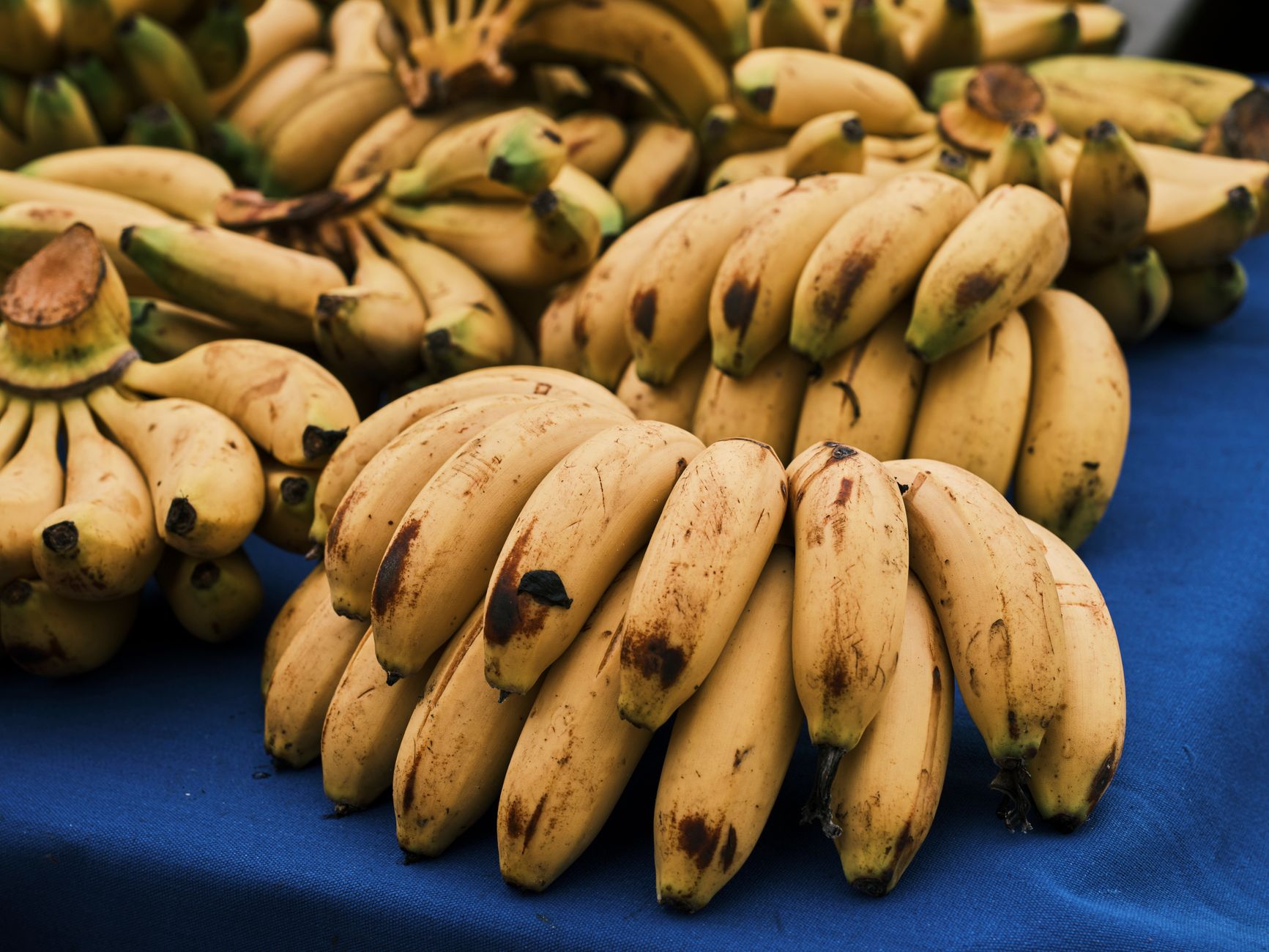
Bananas are a tasty, versatile fruit packed with nutrients, making them a popular choice for snacks or additions to meals. If you’re wondering how many bananas you can safely eat in a day, you’re not alone. This article will explore the recommended intake, the nutritional benefits of bananas, and tips to incorporate them into your diet effectively.
We will also touch upon the factors that influence individual banana tolerance, including dietary needs and physical activity levels. By the end, you will have a clear understanding of how many bananas can fit into your daily routine without overdoing it.
How Many Bananas Can I Eat in a Day?
The exact number of bananas you can eat in a day depends on various factors such as your overall dietary plan, nutritional needs, and personal health conditions. However, most nutritionists suggest that 1 to 3 bananas per day is generally safe for most people. Eating more than this may not provide additional benefits and can contribute excess sugars and calories.
Nutritional Profile of Bananas
To understand how many bananas you should eat, it’s helpful to know what they offer nutritionally. Bananas are rich in several essential vitamins and minerals:
- Potassium: Supports heart health and regulates blood pressure.
- Vitamin C: Acts as an antioxidant and aids in tissue repair.
- Vitamin B6: Important for metabolism and brain development.
- Dietary Fiber: Aids digestion and promotes satiety.
- Carbohydrates: Provides a source of quick energy.
A medium-sized banana (approximately 118 grams) contains about:
- 105 calories
- 27 grams of carbohydrates
- 3 grams of dietary fiber
- 422 mg of potassium
- 14 grams of sugar
Factors Influencing Banana Intake
Several factors can influence how many bananas you can or should eat in a day:
1. Caloric Requirements
Your daily caloric needs depend on factors like age, gender, activity level, and metabolic health. An active person may be able to consume more bananas without adverse effects, while someone with specific dietary restrictions or lower energy needs might consider fewer servings.
2. Dietary Restrictions
People with certain health issues, such as diabetes, may need to manage their carbohydrate intake. For them, it’s best to monitor banana consumption closely due to their natural sugar content. Always consult a healthcare provider or dietitian for personalized advice.
3. Overall Diet Composition
The total dietary intake also matters. If your diet is rich in fruits, you may not need as many bananas, as you’re likely getting varying nutrients from other sources. Balance is crucial for a healthy diet.
4. Physical Activity Level
Individuals with higher physical activity levels may have different energy needs, allowing for more carbohydrates, including bananas, in their diet. Athletes often utilize bananas for quick energy during or post-exercise.
How Many Bananas Are Too Many?
While bananas are healthy, moderation is key. Consuming too many can lead to excessive intake of natural sugars and calories, which may disrupt your nutritional balance. Moreover, eating an excessive amount of potassium, while rare, can lead to hyperkalemia, a condition characterized by high potassium levels in the blood. Symptoms can include muscle weakness and irregular heartbeat.
Most experts agree that consuming more than 3-4 bananas a day is excessive for most people unless under therapeutic circumstances where higher potassium intake is needed. As always, personal health conditions and dietary needs dictate what is suitable for you.
Best Ways to Incorporate Bananas into Your Diet
Bananas can be enjoyed in various ways, making them easy to incorporate into your daily meals and snacks:
1. As a Snack
Bananas make for a convenient snack on their own. Just peel and enjoy! Pairing them with a healthy fat source, like peanut butter or almond butter, can enhance flavor and add protein.
2. In Smoothies
Blend bananas into smoothies for a creamy texture. Combine with leafy greens, berries, and yogurt or plant-based milk for a nutritious drink. For added protein, consider adding protein powder.
3. In Breakfast Dishes
Sliced bananas can be added to cereals, oatmeal, or granola. They provide natural sweetness, and their creamy texture complements various breakfast options.
4. In Baking
Overripe bananas are perfect for baking. Use them in banana bread, muffins, or pancakes to enhance flavor. They can often replace sugar in recipes due to their natural sweetness.
5. In Salads
Add bananas to fruit salads or green salads for a tropical twist. Their sweetness balances out savory elements, creating a delightful contrast in flavor.
Common Mistakes When Eating Bananas
Even though bananas are straightforward to enjoy, some common mistakes can hinder their benefits:
1. Not Storing Them Properly
For optimal freshness, store bananas at room temperature. Avoid placing them in the refrigerator as cold can darken their peel. Once ripe, they can be stored in the fridge for a day or two, but their texture will change.
2. Eating Them Unripened
Unripe bananas contain resistant starch, which can be harder to digest. Allow bananas to ripen fully for better flavor and easier digestion.
3. Skipping the Peels
Banana peels are rich in nutrients, including fiber and antioxidants. While many people do not consume them, consider blending or cooking them if you want to maximize nutrition.
Conclusion
In summary, eating 1 to 3 bananas per day is generally appropriate for most individuals, accounting for dietary needs, activity levels, and health conditions. Bananas are versatile and can easily fit into your daily diet. Always listen to your body and adjust intake as necessary.
Explore more about the health benefits of bananas or how to incorporate fiber into your diet with our detailed guides on the fiber content in bananas and what makes bananas special.