
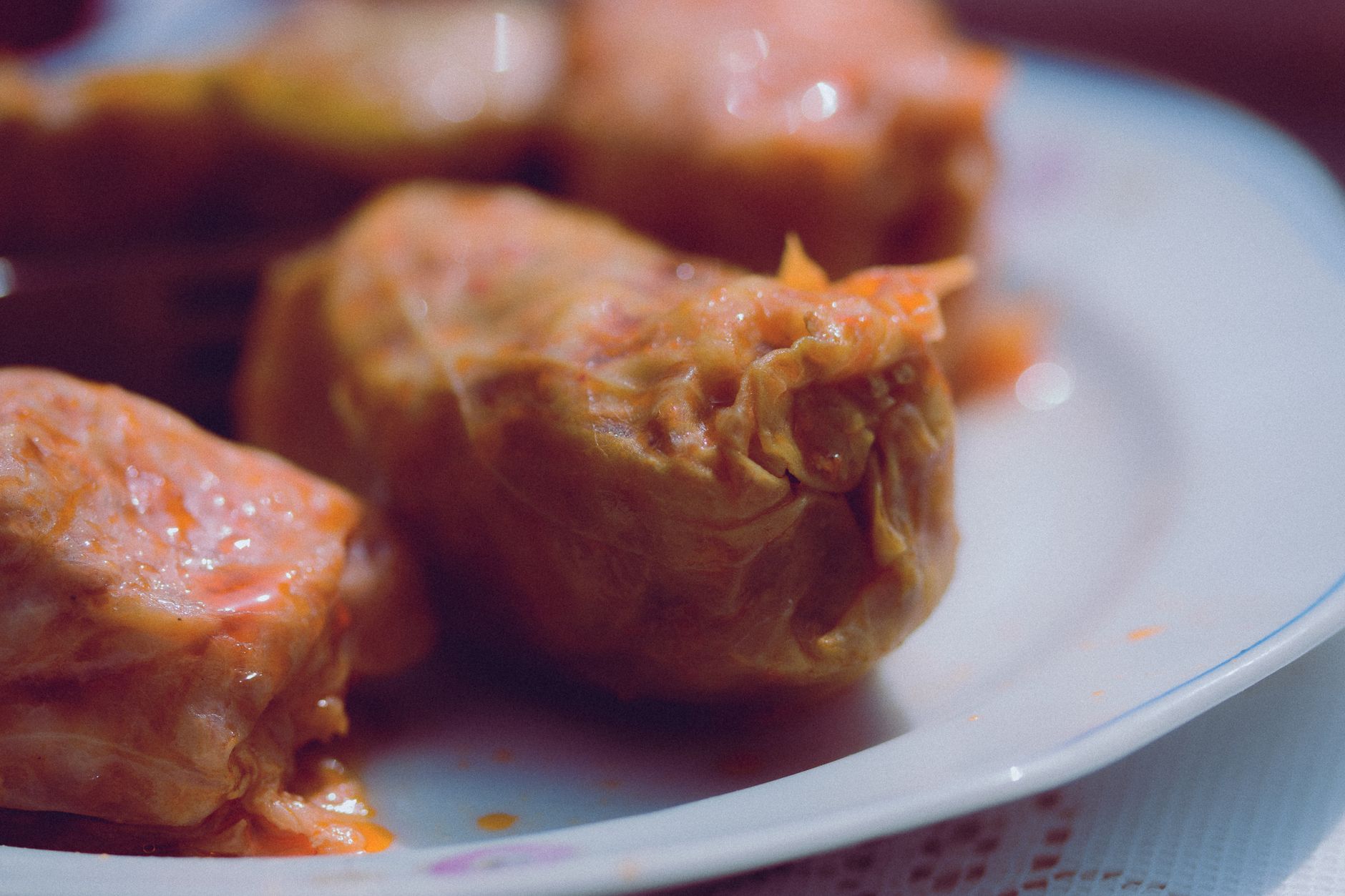
Cabbage is a versatile and popular vegetable that can enhance a variety of dishes, from salads to stews. For those monitoring their carbohydrate intake, understanding the carb content in cooked cabbage is essential. This article will break down the carbohydrate content in cooked cabbage by serving size, provide helpful cooking methods, and explore the nutritional benefits of this leafy green.
Whether you’re following a low-carb diet or trying to include more vegetables in your meals, knowing how many carbs are in cooked cabbage can aid your meal planning. Let’s dive into the details, including serving sizes and cooking techniques.
How Many Carbs in Cooked Cabbage?
Cooked cabbage contains approximately 2 grams of carbohydrates per 100 grams. The exact carbohydrate content may vary slightly depending on the cooking method and whether any additional ingredients are included. This low-carb count makes cabbage an excellent choice for those watching their carbohydrate intake.
Understanding Cabbage and Its Varieties
Cabbage is a cruciferous vegetable, related to broccoli, cauliflower, and kale. It is low in calories and high in vitamins and minerals, making it a nutritious addition to any diet. The most common varieties include:
- Green Cabbage: The most commonly used type, crisp and mildly sweet.
- Red Cabbage: Slightly more peppery than green cabbage, it adds color to dishes.
- Savoy Cabbage: Known for its crinkled leaves and tender texture, it’s often used in salads.
- Napa Cabbage: A flatter and wider leaf, often used in Asian cuisine.
Carbohydrate Content by Serving Size
Here’s a breakdown of the carb content in cooked cabbage based on common serving sizes:
| Serving Size | Carbohydrates (g) |
|---|---|
| 1 cup (cooked, chopped) | 4 g |
| 1/2 cup (cooked, chopped) | 2 g |
| 100 grams (cooked) | 2 g |
Cooking Methods That Affect Carbohydrate Content
The carbohydrate content in cabbage can remain fairly consistent when cooked properly. However, different cooking methods can influence its flavor, texture, and overall health benefits.
Boiling
When boiled, cabbage retains its nutrient content and has a soft texture. Boiling does not significantly change the carb content, but it can lead to some loss of soluble vitamins.
Steaming
Steaming is one of the best cooking methods for preserving both nutrients and carbohydrates. It enhances the flavor while keeping the cabbage crisp and tender.
Sautéing
Sautéing with a small amount of oil adds flavor but also adds calories. The carbohydrate content remains similar, but the addition of sauces or other ingredients will increase the total carb count.
Roasting
Roasting cabbage can bring out a unique sweetness. It requires a longer cooking time, and while it won’t significantly raise the carbs, any added ingredients, like honey or sugar, will.
Health Benefits of Cooked Cabbage
Aside from being low in carbohydrates, cooked cabbage also offers numerous health benefits:
- Rich in Vitamins: Cabbage is high in vitamins K, C, and B6.
- High in Fiber: It aids digestion and promotes gut health.
- Antioxidant Properties: Cabbage contains compounds that may reduce inflammation and protect against certain diseases.
Incorporating Cooked Cabbage into Your Diet
Cabbage can be a fantastic addition to various dishes. Here are some ideas:
- Add cooked cabbage to stir-fries with lean proteins.
- Use cooked cabbage as a filling in tacos or wraps.
- Prepare a hearty cabbage soup with vegetables and broth.
- Serve sautéed cabbage as a simple side dish with grilled meats.
Practical Tips for Cooking Cabbage
To help you cook cabbage efficiently and enjoyably, consider the following tips:
- Chop cabbage into uniform sizes for even cooking.
- Rinse cabbage under cold water before cooking to remove dirt and pesticides.
- Don’t overcook cabbage, as it can become mushy and lose its nutrients.
- Season with salt, pepper, or vinegar to enhance the flavor.
Common Mistakes When Cooking Cabbage
Even with the best intentions, cabbage cooking can go wrong. Here are some common pitfalls:
- Overcooking: This can lead to a sulfurous smell and unappetizing texture.
- Not removing the tough core: Always remove the core for better texture.
- Ignoring flavoring: Cabbage can be bland without proper seasoning or additions.
Storage Tips for Cooked Cabbage
If you prepare more cooked cabbage than needed, storing it properly can prolong its freshness:
- Let cooked cabbage cool completely.
- Store it in an airtight container in the refrigerator.
- Use within three to five days for the best quality.
- Cabbage can also be frozen, but note that this may alter its texture when reheated.
Reheating Cooked Cabbage
When it’s time to enjoy leftovers, follow these guidelines for reheating:
- Microwave: Place cabbage in a microwave-safe dish, cover it, and heat on high for 1-2 minutes, stirring halfway through.
- Stovetop: Add a little water or broth to a skillet and reheat on medium heat, stirring until heated through.
- Oven: Preheat the oven to 350°F (175°C), place cabbage in a baking dish, cover with foil, and heat for about 15 minutes.
Conclusion
Cooked cabbage is not only low in carbohydrates but also a nutritious addition to various dishes. Understanding how many carbs are in cooked cabbage can assist with meal planning, particularly for those following low-carb diets. With the right cooking methods and attention to flavor, cabbage can become a staple ingredient in your kitchen.
Ready to experiment with cabbage in your meals? Explore delicious recipes like a simple cabbage boil or a hearty sausage and cabbage dish to get started!