
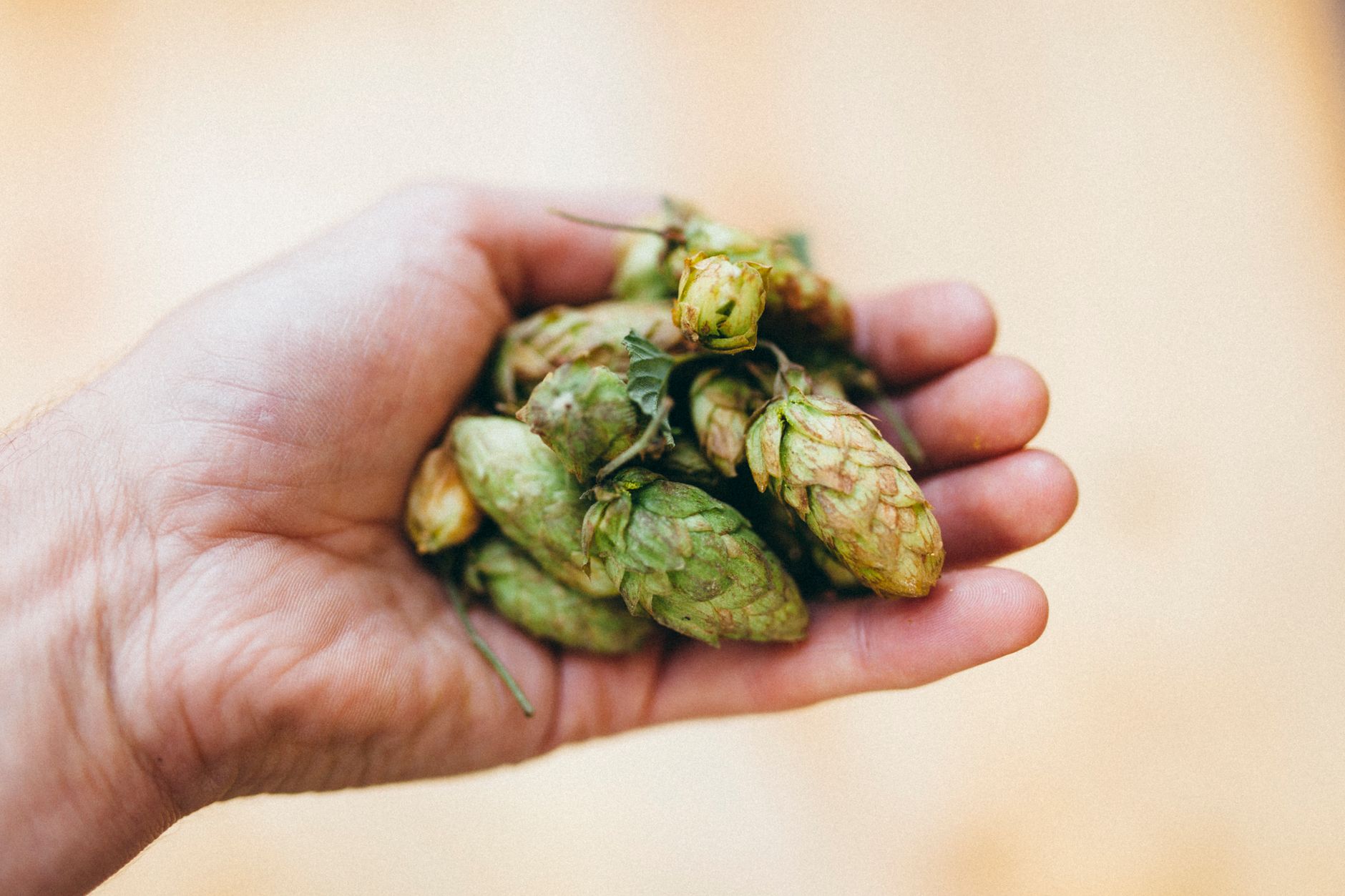
Bitters are an essential flavoring ingredient used in cocktails and culinary dishes, appreciated for their ability to enhance and balance other flavors. With a history that stretches back centuries, bitters are primarily composed of bitter herbal extracts combined with alcohol. But what exactly are bitters made of? Understanding their ingredients can unlock a whole world of mixology and cooking possibilities.
This article delves into the components of bitters, their uses, and serving tips to help you elevate your culinary creativity. Whether you’re crafting a classic cocktail or exploring a savory dish, knowing what goes into bitters can refine your flavor profiles and add complexity to your creations.
What Are Bitters Made Of?
Bitters are typically crafted from a variety of botanicals, including herbs, spices, roots, fruits, and flowers, which are soaked in a high-proof spirit to extract their flavors. These ingredients vary widely between different brands and types of bitters, but generally, they include:
- Herbs: Common herbs included in bitters might be mint, sage, thyme, and rosemary.
- Spices: Ingredients such as cinnamon, cardamom, and clove often provide warmth and complexity.
- Roots: Dandelion and gentian root are among the most popular for their inherent bitterness.
- Fruits: Citrus peels, cherry, and other dried fruits contribute sweetness and brightness.
- Flowers: Some bitters may include floral notes from ingredients like chamomile or lavender.
- Aromatic additives: These may include various essential oils, which further enhance the aromatic profile.
Types of Bitters
While bitters share a common purpose, the variation in their ingredients leads to a wide range of flavors. Here are some popular types of bitters you can explore:
1. Aromatic Bitters
This is the original bitters category, often associated with brands like Angostura. Aromatic bitters are known for their rich, spiced flavor profile, making them a versatile addition to a variety of cocktails—from Manhattans to Old Fashioneds.
2. Herbal Bitters
Herbal bitters focus on sweet and herbal flavors, derived primarily from botanical compounds. They often use a base of gentian root and can incorporate a range of herbs like basil or fennel, enhancing savory cocktails and culinary dishes.
3. Citrus Bitters
These bitters highlight the bright, zesty flavors from various citrus peels, such as orange, lemon, or grapefruit. They serve as a pleasant complement to lighter spirits, particularly gin and vodka cocktails.
4. Fruit Bitters
Fruit bitters incorporate concentrated fruit flavors. Popular varieties may include cherry, peach, or elderberry. They add a unique sweetness and depth to cocktails such as whiskey sours or fruit-forward mixed drinks.
5. Specialty Bitters
Some products combine multiple flavor profiles, infusing unique ingredients like chocolate, coffee, or smoked flavors, elevating your cocktails to new dimensions.
How Are Bitters Made?
The creation of bitters involves a process known as maceration, wherein botanical ingredients are soaked in alcohol to draw out their flavors. Here’s a basic overview of how bitters are made:
- Choose Your Botanicals: Select a mix of herbs, spices, and other flavorings you want to infuse into the bitters. Think about the flavor profile you wish to achieve—this might involve bold flavors from roots or bright notes from citrus.
- Macerate: Combine the chosen ingredients with high-proof alcohol, such as vodka or grain alcohol, in a sealable jar. Allow the mixture to sit for an extended period, usually about two weeks. This step allows the alcohol to extract essential oils and flavors from the botanicals.
- Strain: After the desired flavor is achieved, strain out the solid ingredients using a fine mesh strainer or cheesecloth. The remaining liquid is your bitters, which can be bottled up for storage.
- Adjust if Necessary: Depending on your preference, you may choose to add sugar or other sweetening agents to balance the bitterness.
Common Ingredients Used in Bitters
Understanding the specific ingredients used in store-bought and homemade bitters allows you to experiment more effectively. Here is a closer look at some commonly used ingredients:
1. Gentian Root
This bitter herb is central to most bitters and is prized for its intense flavor and digestive benefits. It provides a robust bitterness that is hard to replicate with other ingredients.
2. Wormwood
Historically significant for its use in absinthe, wormwood adds a unique herbal note that is both bitter and aromatic, contributing to the complexity of bitters.
3. Dandelion Root
This plant root is often used in herbal bitters to introduce earthy, slightly bitter flavors that can balance sweeter cocktails.
4. Orange Peel
Adding zest to the mix, orange peel brings bright citrus notes, with some residual sweetness, balancing out the bitter elements.
5. Angostura Bark
Known for its use in the original Angostura bitters, this ingredient adds a depth of flavor with aromatic qualities that enhance many cocktails.
Serving Tips for Bitters
Understanding how to serve and incorporate bitters into your creations will allow you to fully appreciate their unique flavor. Here are some practical tips:
1. Use Sparingly
Bitters are potent, and a few dashes usually suffice. Start with one or two dashes, taste, and then adjust. Overusing can overshadow other flavors in your drink or dish.
2. Pair Appropriately
Different bitters pair better with specific spirits. For example, aromatic bitters complement whiskey and rum, while citrus bitters work well with gin and vodka. Understanding these combinations can enhance the overall experience.
3. Experiment with Culinary Uses
Bitters are not limited to beverages. They can elevate desserts, sauces, marinades, and dressings. A few drops in chocolate desserts or a splash in salad dressings can introduce depth.
4. Create Signature Cocktails
Consider developing your own signature cocktails by playing around with different bitters and complementary ingredients. By mixing and matching flavors, you can craft unique beverages that highlight the bitters’ character.
How to Store Bitters
Proper storage will help preserve the flavors and efficacy of your bitters. Here are some guidelines on how to store both homemade and store-bought bitters:
- Cool and Dark Location: Keep bitters in a cool, dark place like a pantry. Avoid direct sunlight which can diminish flavor and potency.
- Sealed Bottles: Ensure bottles are tightly sealed to prevent oxidation and potential spoilage.
- Shelf Life: Bitters generally have a long shelf life—often several years—due to their high alcohol content preserving the ingredients. However, check for any off smells or flavors before use.
Common Mistakes When Using Bitters
When using bitters, some mistakes can detract from your experience. Here is a list of common pitfalls to avoid:
1. Over-Dashing
More is not better with bitters. Adding too much can overshadow essential flavors. Always err on the side of caution and add more only if necessary.
2. Ignoring Flavor Profiles
Not all bitters are created equal. Ignoring the specific flavor notes of different bitters can lead to mismatched cocktails. Always think about the overall flavor balance.
3. Forgetting About Pairings
Pairing bitters with the wrong type of spirit can result in unappealing flavors. Familiarize yourself with standard combinations to make better choices.
Making Your Own Bitters
Creating homemade bitters allows you to customize flavors to your liking, ensuring a unique addition to your beverages and dishes. Here’s a basic recipe to get started:
Homemade Citrus Bitters Recipe
This simple recipe showcases the flavor of citrus and can serve as a great introduction to making bitters at home.
Ingredients:
- 2 cups high-proof alcohol (vodka or grain alcohol)
- Peels of 1 orange
- Peels of 1 lemon
- 1 tablespoon dried chamomile flowers
- 1 tablespoon cardamom pods
- 1 tablespoon dried gentian root
- 1 tablespoon sugar (optional)
Equipment:
- Glass jar with a tight-fitting lid
- Fine mesh strainer or cheesecloth
- Dark glass bottle for storage
Instructions:
- In a glass jar, combine the alcohol with the citrus peels, chamomile, cardamom, and gentian root.
- Seal the jar and store it in a cool, dark place for up to two weeks. Shake the jar every few days.
- Taste it after two weeks. If desired, you can continue steeping for longer. Adjust with sugar if you want a sweeter profile.
- Once flavored to your liking, strain the mixture into a dark glass bottle using a fine mesh strainer or cheesecloth.
- Label your bitters and store them for future use.
Conclusion
Bitters are a remarkable ingredient that can transform your drinks and dishes, adding complexity, balance, and flavor excitement. Understanding what bitters are made of and how to use them effectively arms you with the ability to elevate your culinary repertoire.
Whether you buy commercial varieties or create your own at home, incorporating bitters into your cooking and cocktail mixing opens up a wealth of flavor possibilities. You’re now ready to craft some stand-out beverages and mouthwatering dishes with newfound knowledge!
For more exciting recipes and tips, be sure to try our Maple Old Fashioned recipe or make a Whiskey Sour with a hint of bitters for an extra layer of flavor.