
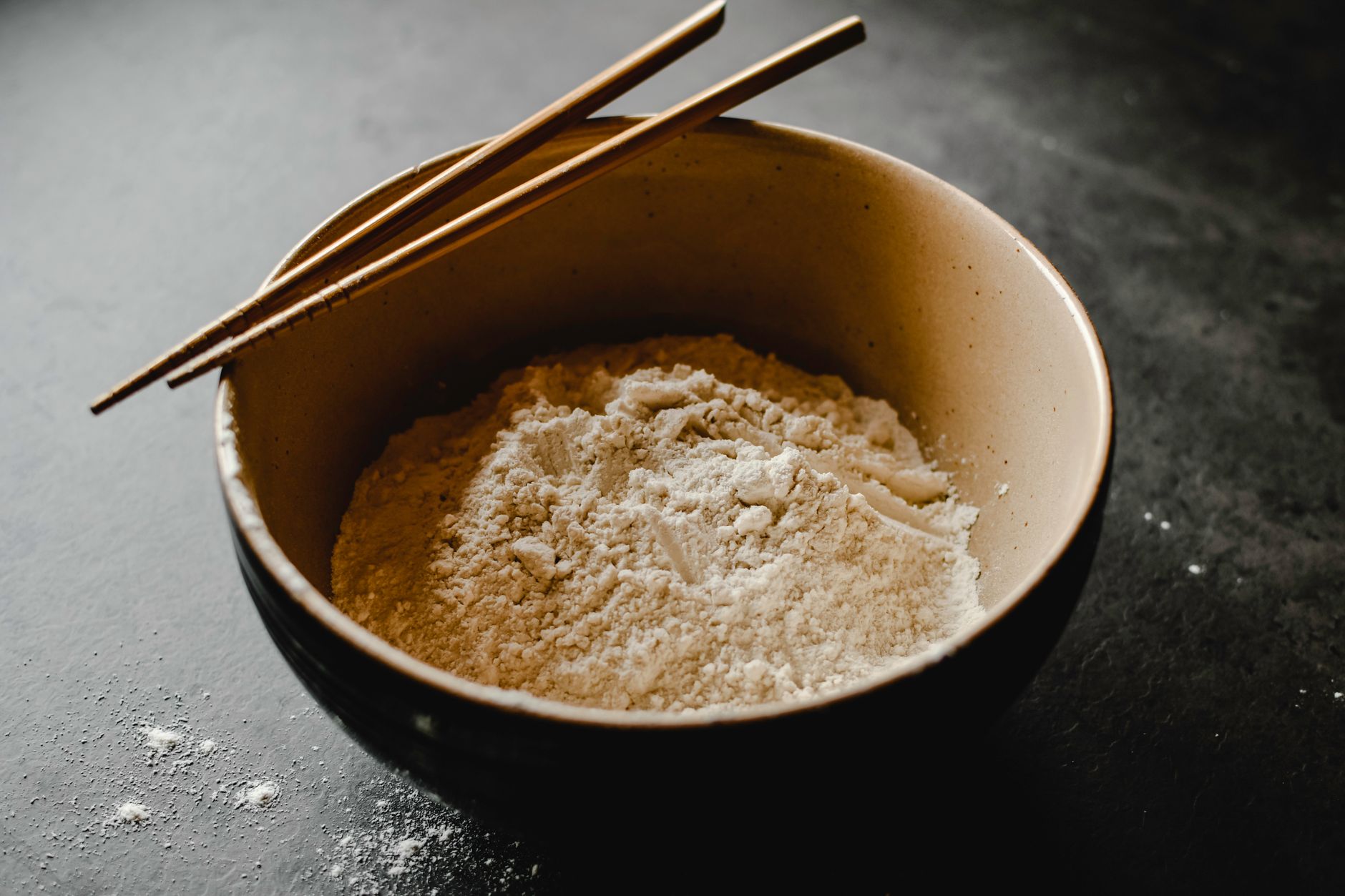
Understanding the effects of flour on weight is a common concern for many individuals striving to maintain a balanced diet. Flour is a versatile ingredient used in various culinary applications, from baking bread to thickening sauces. The question arises: Is flour fattening? This article explores the nutritional aspects of flour, its different types, common uses, and practical serving ideas.
The answer to whether flour is fattening is not straightforward. It largely depends on the type of flour, portion size, and overall dietary context. In this guide, we will delve into these factors to help clarify the role of flour in your diet.
Is Flour Fattening?
Flour itself is not inherently fattening. It primarily consists of carbohydrates, which provide energy. However, consuming flour in excess or in processed forms can contribute to weight gain. The nutritional profile varies significantly among different types of flour, influencing their potential effects on your body.
Understanding Flour Types and Their Nutritional Content
Various types of flour are available, each with distinct properties and uses. Here are some common flour types and their nutritional attributes:
- All-Purpose Flour: Often used in a variety of recipes, all-purpose flour contains around 95 grams of carbohydrates per cup, with minimal fiber and protein.
- Whole Wheat Flour: Whole wheat flour is made from the entire wheat kernel, offering more fiber (around 14 grams per cup) and protein compared to white flour, making it a heartier option.
- Almond Flour: A popular gluten-free option, almond flour is higher in healthy fats and protein, containing approximately 6 grams of carbs and 14 grams of fat per cup.
- Coconut Flour: This gluten-free alternative is very high in fiber, with about 60 grams of carbs per cup but only 32 net carbs due to its high fiber content.
- Rye Flour: Filled with nutritional benefits, rye flour is richer in fiber and protein than white flour and imparts a unique flavor to baked goods.
Flour and Weight Gain: Key Factors
When considering whether flour is fattening, it is essential to account for several factors:
1. Portion Size
Excessive consumption of any food can lead to weight gain, and flour is no exception. The amount you use in your recipes plays a critical role in its impact on your diet. Portion control is essential.
2. Type of Flour
As mentioned, the nutritional profile of flour types varies significantly. Whole grain flours tend to be more filling due to their fiber content, often leading to smaller portion sizes and reduced calorie intake.
3. Nutrient Density
Choosing whole grain or specialty flours such as almond or coconut flour can enhance the nutritional density of your meals. These options often have beneficial nutrients like protein and fiber, making them more satiating.
4. Accompanying Ingredients
Flour is often not consumed alone; rather, it is part of dishes that include fats, sugars, and various other ingredients. Many baked goods—think cookies, cakes, and pastries—often contain added sugars and fats, which can increase calorie content significantly.
Culinary Uses of Flour
Flour’s versatility makes it a staple in many kitchens. Here are typical uses and ways to incorporate flour into your meals:
Baking
Flour is a key ingredient in baking, forming the structure of bread, pastries, and cakes. Whole grain and alternative flours can be used to create healthier versions of traditional recipes.
Thickening Agent
Flour can thicken sauces, soups, and gravies effectively. A roux, made from flour and fat, serves as a base for many creamy sauces.
Breading and Coating
Flour is often used to coat foods before frying or baking, adding texture and flavor. Whole wheat flour or alternatives can be used for a healthier option.
Pasta Making
Flour is the foundation of homemade pasta. Using semolina flour or whole wheat flour can add nutritional benefits to pasta dishes.
Practical Serving Ideas
Now that you understand the role of flour in your diet, let’s explore some practical serving ideas:
Breakfast Ideas
- Pancakes: Serve pancakes made with whole wheat flour, topped with fresh fruits and nuts.
- Overnight Oats: Add a tablespoon of almond flour to overnight oats for added protein and texture.
- Muffins: Make muffins using a mix of all-purpose and almond flour to enhance nutrition without sacrificing taste.
Lunch Ideas
- Wraps: Use whole grain tortillas made with whole wheat flour, filled with lean proteins and veggies.
- Quiches: Prepare a quiche with a crust made from almond flour, filled with eggs and seasonal vegetables.
- Soups: Thicken soups with a roux made from whole wheat flour for improved texture and flavor.
Dinner Ideas
- Pasta Dishes: Create your own pasta using semolina or whole wheat flour for a healthy alternative.
- Homemade Pizza: Make your pizza crust with a blend of whole wheat and all-purpose flours, topped with fresh veggies and lean proteins.
- Stir-Fries: Use flour to create a crispy coating for chicken or tofu in stir-fries.
Dessert Ideas
- Cookies: Experiment with cookies using almond flour or coconut flour for a healthier twist.
- Cakes: Bake a cake using whole wheat flour, incorporating fruits like bananas or apples for natural sweetness.
- Brownies: Create fudgy brownies using black bean flour for added fiber and protein.
Common Mistakes When Using Flour
When cooking and baking with flour, some common mistakes can impact your results:
- Incorrect Measuring: Always weigh your flour for accuracy. Using too much can lead to dense baked goods.
- Skipping Sifting: Sifting flour helps aerate it and can improve the texture of baked products.
- Neglecting to Check Expiration: Flour can go stale or rancid. Always check the expiration date before use.
Storage Tips for Flour
Proper storage of flour extends its shelf life and quality. Here are some tips:
- Store flour in an airtight container to prevent moisture absorption and pest infestation.
- Keep it in a cool, dry place, away from sunlight. For long-term storage, consider freezing flour.
- Label containers with the date of purchase to keep track of freshness.
Flour Substitutions
If you’re looking to reduce calories or switch to gluten-free options, here are some substitutions you may consider:
Common Substitutions
- Almond Flour for All-Purpose Flour: Use 1 cup of almond flour for every 1 cup of all-purpose flour, but you may need to adjust moisture due to almonds’ higher fat content.
- Coconut Flour for All-Purpose Flour: Substituting coconut flour requires less—use 1/4 cup of coconut flour for every 1 cup of all-purpose flour, along with additional liquid.
- Oat Flour: Blend rolled oats to create oat flour; use it as a 1:1 substitute for all-purpose flour in many recipes.
Conclusion
In summary, flour can be part of a balanced diet when consumed mindfully. The types of flour you choose, portion sizes, cooking methods, and accompanying ingredients significantly influence whether its consumption contributes to weight gain. By selecting whole grain or alternative flours and controlling portion sizes, you can incorporate flour into delicious, healthy meals without the worry of excess weight.
For related topics, explore our guide on the difference between bleached and unbleached flour and find out if canola oil can be used instead of vegetable oil for your cooking needs.