
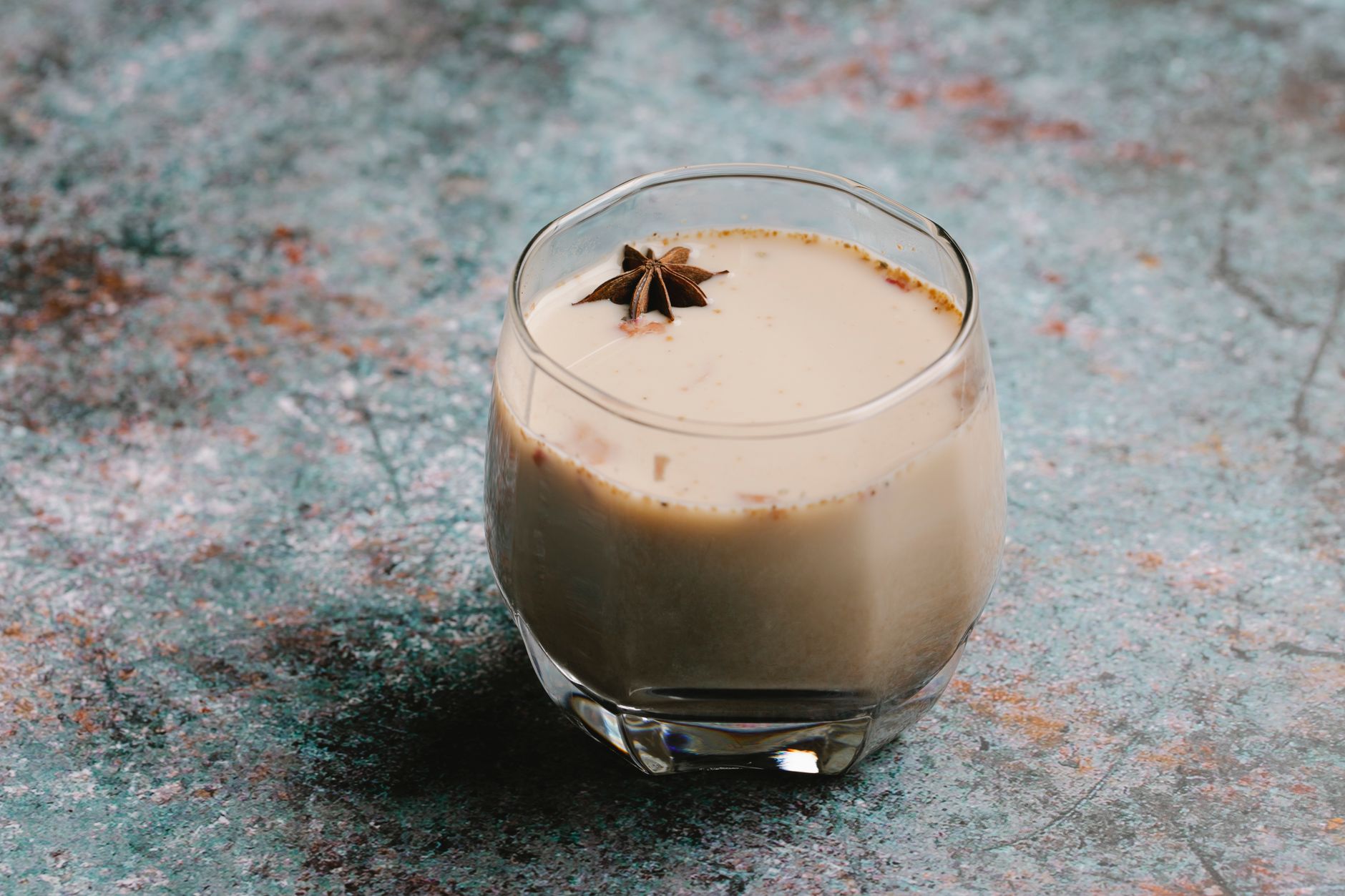
Chai tea, often simply referred to as chai, is a beloved beverage that melds rich black tea with a harmonious blend of spices and milk. Originating from India, chai tea offers a warm, comforting drink that is enjoyable any time of the day. The combination of spices not only adds depth of flavor but also provides various aromatic qualities, making chai a unique experience.
Understanding the spices in chai tea can enhance your appreciation for this traditional drink. The specific spices used can vary by region and personal preference, resulting in numerous variations around the globe. This article explores the common spices found in chai tea, their flavors, and tips for serving and enjoying this illustrious beverage.
What Spices Are in Chai Tea?
The primary spices typically found in chai tea include:
- Cardamom: A sweet and fragrant spice that adds complexity.
- Cinnamon: Provides warmth and sweetness with a distinct aroma.
- Ginger: Adds a zesty kick and is known for its digestive properties.
- Cloves: Introduces a bold, warm flavor that complements other spices.
- Black Pepper: Offers a slight spiciness and heat.
- Fennel Seeds: Supplies a subtle sweetness and anise flavor (optional).
- Star Anise: Occasionally included for a floral aroma and sweet, licorice-like flavor (optional).
The Role of Each Spice in Chai Tea
Each spice in chai serves a specific role, enhancing the overall flavor profile of the tea while adding unique characteristics. Understanding these roles can help you feel more confident in creating your own blends.
Cardamom
Cardamom is often considered the star spice of chai tea. Known for its sweet, floral, and slightly citrusy flavor, it balances the robust flavors of black tea. Cardamom can be used in whole pods or ground form; whole pods will release their flavor gradually during steeping.
Cinnamon
Cinnamon adds a warm and comforting sweetness to chai tea. Its aromatic quality helps to mask any bitterness from the tea, making it a favorite among chai enthusiasts. Both ground cinnamon and cinnamon sticks can be used, with sticks being preferable if they’re steeped for longer periods.
Ginger
Fresh ginger lends an invigorating zest to chai. Its spicy undertone helps warm the body, making it particularly popular during colder months. You can use sliced ginger or ground ginger, but fresh ginger often brings a more pronounced flavor.
Cloves
Cloves add a deep, aromatic essence to chai. Their slightly sweet yet pungent flavor can elevate the tea, giving it a distinct richness. Use whole cloves for a less intense flavor or ground cloves for stronger taste. Care should be taken not to overdo it, as cloves can overpower the other spices.
Black Pepper
Black pepper contributes a subtle heat to chai, enhancing the overall spiciness of the blend. A few whole peppercorns or a pinch of ground pepper can add complexity without overwhelming the drink. The heat from pepper also aids digestion, making it a beneficial addition to the chai mix.
Fennel Seeds
Fennel seeds are an optional ingredient but can create a sweet, almost licorice-like flavor, enhancing the complexity of the tea. They can be particularly refreshing and digestive-friendly. When using fennel seeds, consider lightly crushing them to release their oils.
Star Anise
Star anise offers a beautiful visual and a sweet, aromatic quality that can elevate the traditional chai profile. While not always included in chai blends, it pairs well with the other spices, and a single star can make a striking addition to the brew.
How to Make Chai Tea: A Step-by-Step Guide
Making chai tea is a delightful process that allows for personalization based on taste preferences. Below is a simple method for brewing your own chai tea at home.
Ingredients
- 2 cups water
- 2 tablespoons loose black tea or 2 black tea bags
- 2-3 green cardamom pods
- 1 stick of cinnamon or 1/2 teaspoon ground cinnamon
- 1-2 slices of fresh ginger or 1/4 teaspoon ground ginger
- 2-3 whole cloves or 1/8 teaspoon ground cloves
- 1-2 whole black peppercorns
- 1 cup milk (or non-dairy alternative)
- Sweetener to taste (sugar, honey, etc.)
Essential Equipment
- Medium saucepan
- Strainer or sieve
- Measuring cups and spoons
- Mug or teapot for serving
Method
- In a medium saucepan, bring 2 cups of water to a boil over medium-high heat.
- Add the black tea, cardamom pods, cinnamon (stick or ground), ginger, cloves, and black pepper to the boiling water. Stir the mixture and reduce the heat to low.
- Allow the spices and tea to simmer on low heat for about 5 to 10 minutes. The longer you simmer, the stronger the flavors will be.
- Once the tea has steeped to your liking, add the milk. Return the mixture to a gentle boil and then reduce the heat again.
- Simmer for another 2-3 minutes, allowing the milk to fully incorporate and heat through.
- Remove the saucepan from heat and strain the tea into a mug using a fine strainer or sieve, discarding the spice remnants.
- Add sweetener to taste, stir, and enjoy your homemade chai tea!
Practical Serving Tips for Chai Tea
Chai tea is versatile and can be enjoyed in various ways. Here are some tips for serving and enhancing your chai experience:
- Temperature: Chai is typically served hot, but it can also be enjoyed iced. To make iced chai, simply brew and cool the tea before serving it over ice with milk and sweetener.
- Milk Options: Traditional chai uses whole milk, but feel free to experiment with alternatives like almond milk, soy milk, or oat milk for a different flavor and texture.
- Sweeteners: Sugar is commonly used, but you can also try honey, agave syrup, or even skip sweeteners entirely for a more robust, less sweet tea.
- Garnishments: Consider garnishing your chai with a sprinkle of ground cinnamon or nutmeg on top, or even a few whole spices to elevate its presentation.
- Pairings: Pair your chai with snacks like biscuits, pastries, or savory snacks. Traditional Indian snacks like samosas also make a delightful complement.
Common Mistakes When Making Chai Tea
While making chai tea can be straightforward, there are a few common mistakes to watch out for:
- Oversteeping: Leaving the spices in too long can result in a bitter or overly spicy brew. Taste regularly while steeping to find your perfect balance.
- Not measuring: Each spice changes the flavor of the tea significantly. It’s essential to measure accurately, especially when using potent spices like cloves and pepper.
- Using low-quality tea: Using a generic tea blend can dilute the flavors of your chai. High-quality black tea makes a noticeable difference.
- Ignoring fresh spices: Using stale spices can significantly reduce the aromatic quality and overall flavor of your chai.
Variations of Chai Tea
Once you become comfortable with the traditional chai, consider experimenting with these variations:
- Masala Chai: This is the spiced tea mentioned in this guide, with multiple spices combined to create a fragrant blend.
- Vanilla Chai: Adding a splash of vanilla extract or a cinnamon stick provides a sweet note, making it uniquely delightful.
- Turmeric Chai: Incorporating turmeric not only contributes a golden hue but also offers health benefits, creating a drink known as “golden chai.”
- Herbal Chai: This uses herbal teas instead of black tea, suitable for caffeine-free options. Chamomile and rooibos can pair wonderfully with chai spices.
Storage and Reheating Chai Tea
If you’ve made a larger batch of chai tea, here’s how to store it:
- Cooling: Allow any leftover chai tea to cool at room temperature before placing it in the refrigerator.
- Container: Store in an airtight container. Glass jars or tightly sealed bottles work well, keeping it fresh.
- Reheating: Reheat on the stovetop over low heat, stirring frequently to ensure an even distribution of flavors. You can also microwave it, but heat it in short intervals to avoid scorching.
- Duration: Properly stored, chai can stay fresh for about 3-5 days in the refrigerator.
Chai tea, with its robust flavor and aromatic spices, is more than just a beverage; it’s an experience that connects us to diverse cultures and traditions. Understanding the spices involved allows for a deeper appreciation and the potential to create your blend, tailored to your taste preferences.
Next time you sip a cup of chai, consider the role each spice plays in crafting that warm, inviting flavor. For those looking to expand their knowledge on chai, check out how much caffeine is in chai tea, or explore a delicious chai concentrate recipe to keep on hand for quick refreshments.