
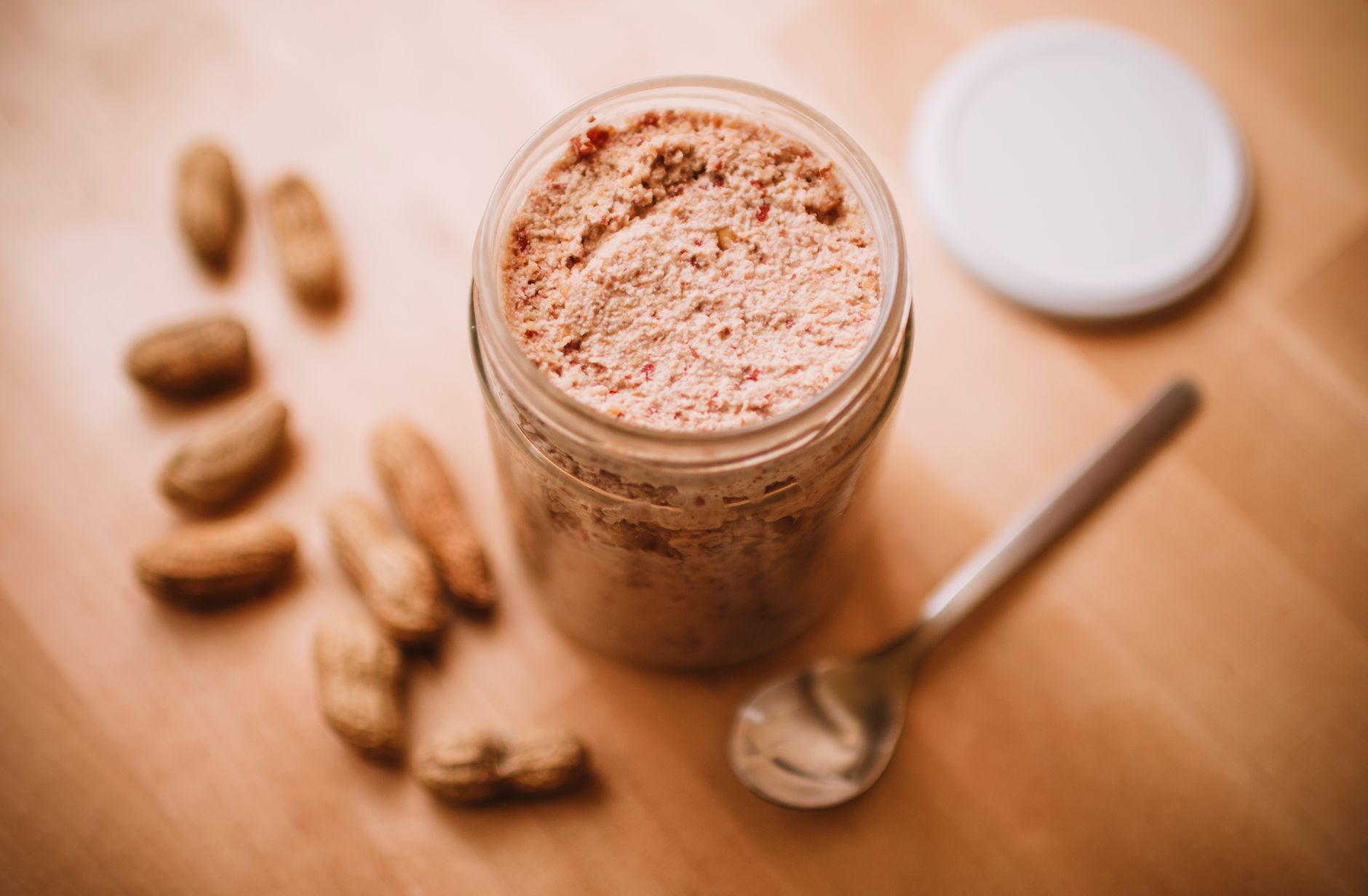
Peanut butter is a popular spread known for its rich flavor, creamy texture, and versatility. It’s a staple in many households, whether it’s used on toast, in smoothies, or in desserts. One common question is: how many calories does this nutty delight contain, especially when considering portion sizes? Understanding the calorie content of peanut butter in various servings can help you make informed choices for your dietary needs.
In this article, we will specifically explore how many calories are found in 2 tablespoons of peanut butter, along with its nutritional profile, potential health benefits, and ways to incorporate it into your meals. Whether you’re trying to lose weight, maintain a healthy diet, or simply enjoy the taste of peanut butter, this information will be valuable.
How Many Calories in 2 Tablespoons of Peanut Butter?
In 2 tablespoons of peanut butter, there are approximately 190 to 210 calories. The exact number can vary slightly depending on the brand and type of peanut butter, such as whether it is creamy or chunky, natural or processed.
The Nutritional Profile of Peanut Butter
Peanut butter is not just about calories; it also boasts a variety of nutrients. Here’s a breakdown of what you can typically find in a serving of peanut butter:
- Calories: 190 to 210
- Protein: 7 to 8 grams
- Fat: 16 to 18 grams
- Carbohydrates: 6 to 7 grams
- Fiber: 2 to 3 grams
- Sugar: 1 to 3 grams
Peanut butter is an excellent source of protein and healthy fats, which can provide satiety, making it a popular choice in various diets. Additionally, it contains vitamins and minerals such as vitamin E, magnesium, potassium, and phosphorus.
Different Types of Peanut Butter
When considering calorie content, it’s essential to know that not all peanut butter is created equal. Here are some common types:
1. Natural Peanut Butter
This type contains minimal ingredients, usually just peanuts and salt. It often has fewer additives and generally boasts the same calorie content as regular peanut butter.
2. Processed Peanut Butter
Many commercial varieties include added sugars, oils, and hydrogenated fats, which can increase the calorie content. Always check the nutritional label for the specific calorie count.
3. Reduced-Fat Peanut Butter
While it may seem healthier, reduced-fat versions often compensate for the reduction with added sugars or fillers, keeping the calorie count relatively similar to regular peanut butter.
4. Peanut Butter with Flavors
Flavored peanut butters can range widely in their calorie content due to added sugars and flavorings. Always check the packaging for accurate information.
How to Use Peanut Butter in Your Diet
Peanut butter is an incredibly versatile ingredient. Here are several delicious ideas for incorporating it into your meals:
Breakfast Options
- Peanut Butter Toast: Spread on whole-grain bread or a bagel for a filling breakfast. Add banana slices or chia seeds for extra nutrition.
- Smoothies: Blend peanut butter into smoothies for a creamy texture and protein boost.
- Overnight Oats: Mix with oats, yogurt, and your choice of fruit for a quick breakfast solution.
Snacks
- Apple Slices with Peanut Butter: A classic, nutritious snack to satisfy cravings.
- Peanut Butter Energy Balls: Combine oats, honey, and peanut butter for a quick energy-boosting treat.
- Celery Sticks: Spread peanut butter into celery for a crunchy and satisfying snack.
Dinner Ideas
- Peanut Sauce: Create a delicious peanut sauce for stir-fries or salads by blending peanut butter with soy sauce, honey, and sesame oil.
- Peanut Butter Chicken: Marinate chicken breasts in a mixture of peanut butter, soy sauce, and spices for a unique flavor.
Desserts
- Peanut Butter Cookies: A classic recipe that highlights the flavor of peanut butter.
- Peanut Butter Fudge: Make a no-bake fudge by combining peanut butter, powdered sugar, and butter.
Potential Health Benefits of Peanut Butter
In moderation, peanut butter can be a healthy component of your diet. Here are a few potential health benefits:
1. Heart Health
The monounsaturated fats found in peanut butter may contribute to heart health by reducing the risk of heart disease.
2. Nutrient-Dense
High in protein and rich in vitamins and minerals, peanut butter can help you meet your daily nutritional needs.
3. Weight Management
The high protein and healthy fat content can promote a feeling of fullness, which may help prevent overeating and contribute to weight management.
Common Mistakes When Using Peanut Butter
Understanding how to use peanut butter effectively can enhance your overall dietary experience. Here are some common mistakes to avoid:
1. Overdoing Portion Sizes
While peanut butter has health benefits, its calorie density can lead to weight gain if consumed in excess. Be mindful of portion sizes and try to stick to the recommended serving.
2. Choosing Sugar-Filled Options
Many flavored and processed peanut butters are high in added sugars. Opt for natural or low-sugar options when possible.
3. Neglecting the Label
Always check the nutrition labels for calories, serving sizes, and ingredients, especially when trying new brands or types.
Storing Peanut Butter
Properly storing peanut butter is essential for maintaining its quality and freshness. Here are some tips for storing your peanut butter:
- Cool and Dry Place: Store peanut butter in a cool, dry cupboard away from direct sunlight.
- Refrigeration: Natural peanut butter may separate. If you prefer it stirred, refrigeration can keep it fresh for a more extended period. However, some people enjoy the creamy texture at room temperature.
- Seal Tight: Ensure the lid is tightly sealed to prevent oxidation and spoilage.
Conclusion
Peanut butter can be a healthy and tasty addition to many diets, providing valuable nutrition and calories. With approximately 190 to 210 calories in 2 tablespoons, it’s essential to enjoy it in moderation and be mindful of the type you choose. Using peanut butter creatively in various meals can enhance your culinary experience and contribute to your health.
For more delicious uses of peanut butter, check out our flavor-packed peanut butter fudge recipe and try something refreshing with our chia pudding recipe with coconut milk. Enjoy your cooking adventures!