
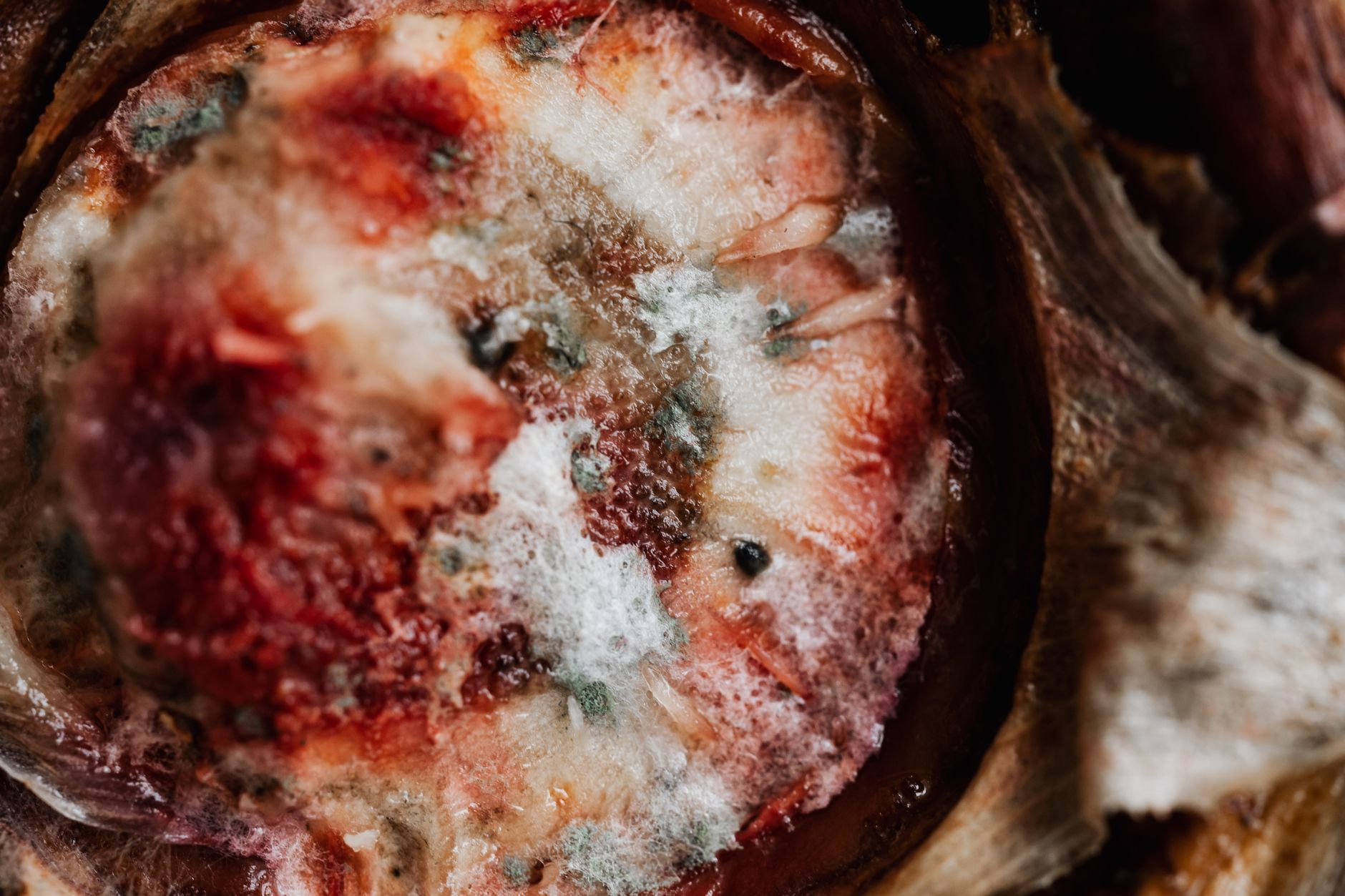
Physical contamination is a significant concern in food safety that can occur at any stage of food preparation and handling. Understanding what constitutes physical contamination and identifying its best examples are crucial for preventing potential health risks. This article delves into the common types of physical contamination, the impacts on food safety, and practical tips on avoiding it in your kitchen.
By recognizing physical contaminants and learning how to handle food safely, home cooks and food service professionals can ensure that their meals are not only delicious but also safe for consumption.
What Is the Best Example of Physical Contamination?
The best example of physical contamination is the presence of foreign objects—such as hair, glass, metal shards, or even packaging materials—in food. These contaminants can cause injury or illness when ingested and highlight the importance of maintaining a clean and organized kitchen environment.
Types of Physical Contaminants
Physical contaminants are any foreign materials that find their way into food. They can come from various sources, and understanding their types can help in recognition and prevention. Here are the primary categories of physical contaminants:
- Foreign Objects: Includes hair, bits of plastic, glass shards, metal fragments, and stones. These items can accidentally drop into food during preparation.
- Pest Droppings: Insects or rodents can leave fecal matter or pests parts in food or surfaces that come into contact with food.
- Personal Items: Items like jewelry, watches, or pieces of clothing can end up in food if not secured or removed before cooking.
- Packaging Materials: Items such as plastic wraps, labels, or staples used in food packaging can contaminate food if not properly disposed of.
Sources of Physical Contamination
Understanding the sources of physical contamination helps in preventing it effectively. Here are some common sources from which physical contamination may arise:
- Kitchen Environment: The kitchen and pantry must be kept clean to avoid contamination from dust, dirt, or pests. Regular cleaning and organization are essential.
- Food Preparation: Cutting boards, knives, and utensils that are not properly cleaned between uses or are damaged can introduce contaminants to food.
- Employee Hygiene: Food handlers who do not adhere to proper hygiene, including wearing hairnets and washing hands often, can contribute to physical contamination.
- Equipment Maintenance: Damaged or improperly maintained kitchen equipment can produce particles that contaminate food, such as metal shavings from worn-out machinery.
Consequences of Physical Contamination
The presence of physical contaminants can lead to significant food safety risks. Understanding these consequences is vital for prioritizing food safety in the kitchen:
- Health Risks: Ingesting physical contaminants can lead to choking, cuts, or other injuries. Some contaminants may also carry pathogens that could lead to foodborne illness.
- Loss of Consumer Trust: For businesses, a reputation for unsafe food practices due to physical contamination can lead to loss of customers and sales.
- Financial Impacts: The costs associated with recalls of contaminated food products, legal ramifications, and potential lawsuits can be significant for food service operations.
- Regulatory Scrutiny: Food businesses found to repeatedly have contamination issues may face stricter inspections, fines, or even shutdowns.
Preventing Physical Contamination in Your Kitchen
Preventing physical contamination involves a combination of proper practices and vigilance during food preparation and storage. Here are practical steps you can take:
Maintain a Clean Environment
- Regularly clean kitchen surfaces, including countertops, cutting boards, and utensils, using effective sanitizing agents.
- Disinfect frequently touched areas (e.g., door handles, light switches) to prevent contamination from hands and items.
- Conduct routine pest control measures to eliminate the risk posed by insects or rodents.
Practice Good Personal Hygiene
- All food handlers should wash their hands with soap and water before and after handling food, while also wearing gloves when necessary.
- Encourage the use of hairnets or caps to prevent hair from falling into food.
- Remove jewelry, especially rings, watches, and bracelets, prior to food preparation to minimize contamination risks.
Ensure Proper Food Storage
- Store food in clean, sealed containers to prevent contamination from pests and other foreign materials.
- Label and date food items to maintain organization and reduce the risk of spoilage.
- Ensure that storage areas are dry, clean, and free from clutter.
Use Tools and Equipment Properly
- Inspect kitchen tools regularly for signs of wear or damage, replacing any that may pose contamination risks.
- Use separate cutting boards for raw and cooked foods to reduce the risk of cross-contamination.
- Do not use metal utensils on non-stick pans to prevent particles from damaging the cookware.
Common Signs of Physical Contamination
Knowing what to look for can help you catch physical contamination before it becomes a problem. Here are some common indicators:
- Unusual textures or foreign materials in food (i.e., grit, hair, or pieces of plastic).
- Visible signs of pests, including droppings or nests around the kitchen area.
- Damaged packaging with signs of tears, holes, or anything that could cause contamination.
- Food items with an off smell, which could indicate spoilage or contamination.
Addressing Physical Contamination: What to Do
In the kitchen, quick action is vital if you suspect physical contamination has occurred. Here’s how to handle it:
If Contamination Is Found in Food
- Immediately remove the contaminated food from the area to prevent it from coming into contact with other items.
- Inspect any nearby foods for signs of contamination.
- Dispose of the contaminated food safely to avoid anyone finding it.
- Evaluate the source of the contamination to prevent a recurrence.
If Contamination Is Suspected
- Stop using any tools or equipment that may have contributed to the contamination.
- Perform a thorough cleaning of the area and any surrounding surfaces.
- Consider implementing a more stringent cleaning protocol to address the issue.
Training Staff on Physical Contamination
If you manage a food preparation business, staff training is essential for mitigating the risk of physical contamination. Here are training strategies:
- Conduct regular training sessions to educate employees about physical contaminants and food safety practices.
- Utilize visual aids, signage, and demonstrations to facilitate better understanding.
- Create a culture of food safety, encouraging team members to report contamination risks they observe.
Conclusion
Physical contamination is a serious issue that can impact the safety of food. By understanding the types and sources of physical contaminants, recognizing the consequences, and implementing effective prevention strategies, you can ensure a safer cooking environment. Always prioritize cleanliness, proper hygiene, and staff training to keep your kitchen free from physical contaminants.
To enhance your culinary skills further, consider exploring practical guides on ingredient substitutions, cooking techniques, and meal planning strategies. Understanding these concepts will help you create a safe and enjoyable cooking experience for yourself and others.