
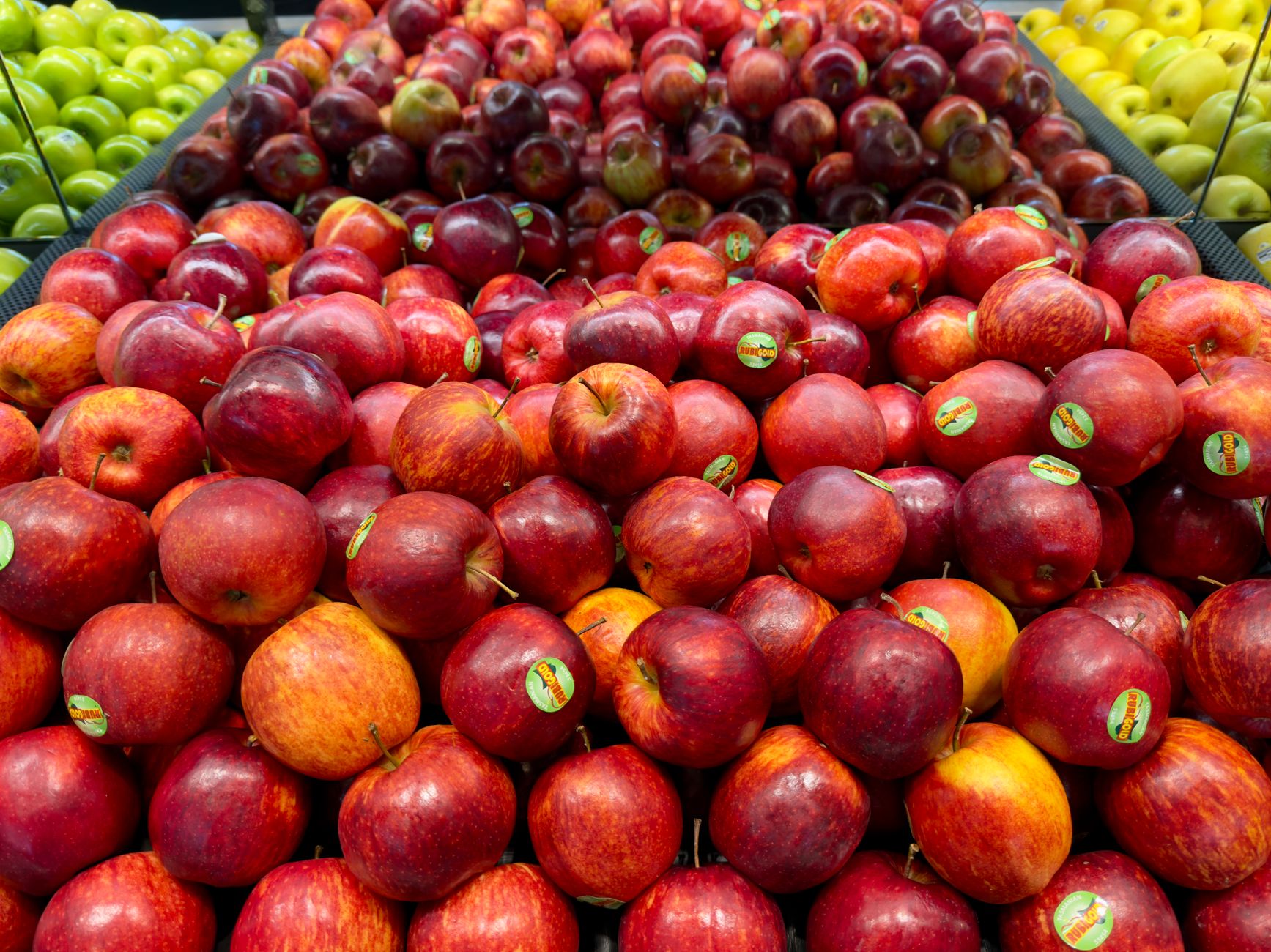
When thinking about apples, protein may not be the first nutrient that comes to mind. These crisp and juicy fruits are often associated with vitamins and fiber rather than protein content. Yet, they still play a significant role in a balanced diet. This article delves into how many grams of protein are in an apple, exploring the nutritional value of this popular fruit and its role in meal planning.
In addition to addressing protein content, we will look at the apple’s vitamins, minerals, and how it can fit into your daily diet. By understanding the nutritional profile of apples, you’ll be better equipped to make healthy choices and incorporate them into your meals and snacks.
How Many Grams of Protein in an Apple?
One medium apple, which weighs about 182 grams, contains approximately 0.5 grams of protein. While this is not a significant source of protein, apples offer many other nutritional benefits, such as dietary fiber, vitamin C, and antioxidants. Understanding these aspects can help you appreciate apples beyond their protein content.
The Nutritional Profile of Apples
Besides protein, apples provide a broad range of essential nutrients. Here’s a breakdown of the nutritional content per medium-sized apple (approximately 182 grams):
- Calories: 95
- Carbohydrates: 25 grams
- Dietary Fiber: 4 grams
- Sugars: 19 grams
- Fat: 0.3 grams
- Vitamin C: 14% of the Daily Value (DV)
- Potassium: 6% of the DV
- Folate: 2% of the DV
- Vitamin K: 3% of the DV
Health Benefits of Apples
While protein may be low in apples, the health benefits they offer are not to be overlooked:
- Rich in Fiber: The 4 grams of dietary fiber help with digestion, support heart health, and may assist in weight management by promoting a feeling of fullness.
- High in Antioxidants: Apples contain various antioxidants, which can help combat free radicals in the body, reducing oxidative stress and lowering the risk of chronic diseases.
- Supports Heart Health: Eating apples regularly may lead to lower cholesterol levels and improved heart health due to their fiber and antioxidant content.
- Boosts Immunity: The vitamin C in apples contributes to a healthy immune system, helping to fend off common colds and infections.
- Hydration: With a high water content, apples can help keep you hydrated.
How to Incorporate Apples into Your Diet
Apples are versatile and can be enjoyed in numerous ways. Here are some practical suggestions for incorporating more apples into your meals and snacks:
As a Snack
Traditionally, apples are an excellent on-the-go snack. You can enjoy them simply sliced or whole. Pair them with nut butter, cheese, or yogurt for added protein and healthy fats.
In Salads
Adding apple slices to salads not only enhances the flavor profile but also adds a pleasant crunch. They complement leafy greens, nuts, and cheese perfectly. Consider a spinach salad with apple slices, walnuts, and feta cheese for a nutritious meal.
Baking and Cooking
Apples can be incorporated into various cooked dishes. They’re a popular ingredient in desserts like apple pies, tarts, and crisps. Yet, they can also be used in savory dishes, such as roasted apple and sweet potato salad or apple-stuffed pork chops.
Breakfast Options
Slice apples into oatmeal or add chunks to smoothies for an extra nutrient boost at breakfast. You can also bake them with oats and spices for a delicious breakfast topping.
Apple Sauces and Purees
Homemade applesauce can be made easily and can substitute sugar in various recipes. It’s lower in calories and makes a great addition to baked goods.
Common Uses of Apples in Recipes
Aside from the traditional uses, apples can be creatively incorporated into different cuisines. Here are a few recipes that highlight apples:
Apple Compote
A simple apple compote can elevate pancakes, waffles, or dessert dishes:
- Peel and chop 4 medium apples.
- In a saucepan, combine apples, 1/2 cup water, 1/4 cup sugar, and a pinch of cinnamon.
- Simmer on medium heat until apples are soft, about 15 minutes.
- Serve warm or chilled.
This compote adds flavor and a nutritional boost to breakfast or dessert.
Apple Crisp
A delicious apple crisp can be enjoyed warm, topped with ice cream or yogurt:
- Preheat the oven to 350°F (175°C).
- In a bowl, mix 5 cups of thinly sliced apples with 1/2 cup sugar, 1 tsp cinnamon, and the juice of half a lemon.
- In another bowl, combine 1 cup oats, 1 cup flour, 1/2 cup brown sugar, and 1/2 cup melted butter.
- Spread the apples in a baking dish and cover with the oat mixture.
- Bake for 30-40 minutes until the apples are bubbly and the topping is golden brown.
Choosing and Storing Apples
Selecting the right apple variety and knowing how to store them properly can enhance your culinary experience:
Selecting Apples
Choose apples that are firm, free of bruises, and have a vibrant color. Different varieties offer varying flavors and textures, from the sweetness of Fuji to the tartness of Granny Smith.
Storing Apples
Apples should be stored in a cool, dry place, preferably in the refrigerator to extend their shelf life. Keeping them in a plastic bag can help retain moisture but avoid contact with other produce to prevent bruising.
Common Mistakes When Using Apples
When working with apples, there are some common pitfalls to avoid:
- Choosing the Wrong Variety: Different varieties of apples serve different purposes. Ensure you select the right type for cooking, baking, or snacking.
- Cutting Too Early: Sliced apples can brown quickly due to oxidation. If serving slices, consider using lemon juice to prevent browning.
- Ignoring the Peel: Many nutrients are found in the apple’s skin. If possible, eat apples unpeeled for added fiber and nutrients.
Complementing Apples with Other Foods
Pairing apples with other ingredients can boost their nutritional value and flavor. Here are some complementary pairs:
- Nut Butters: Almond and peanut butter provide healthy fats and protein.
- Cheese: Apples go well with sharp cheeses like cheddar, creating a satisfying sweet and savory combination.
- Yogurt: Adding apple slices to yogurt provides texture and sweetness, enhancing the dish’s nutritional profile.
- Spices: Cinnamon, nutmeg, and ginger can amplify the flavor of apples, whether in baked dishes or raw snacks.
Conclusion
Counting protein in apples may reveal that they are not a significant protein source, but their benefits are manifold. They provide essential vitamins, minerals, and fiber, which are vital for overall health. By incorporating apples into various meals, from snacks to baked goods, you can enjoy their sweetness while benefiting from their nutritional value.
Consider adding some apple-based recipes like apple compote or a delightful apple crisp to your next meal plan. Whether you eat them raw, cooked, or baked, apples can complement a healthy, balanced diet.