
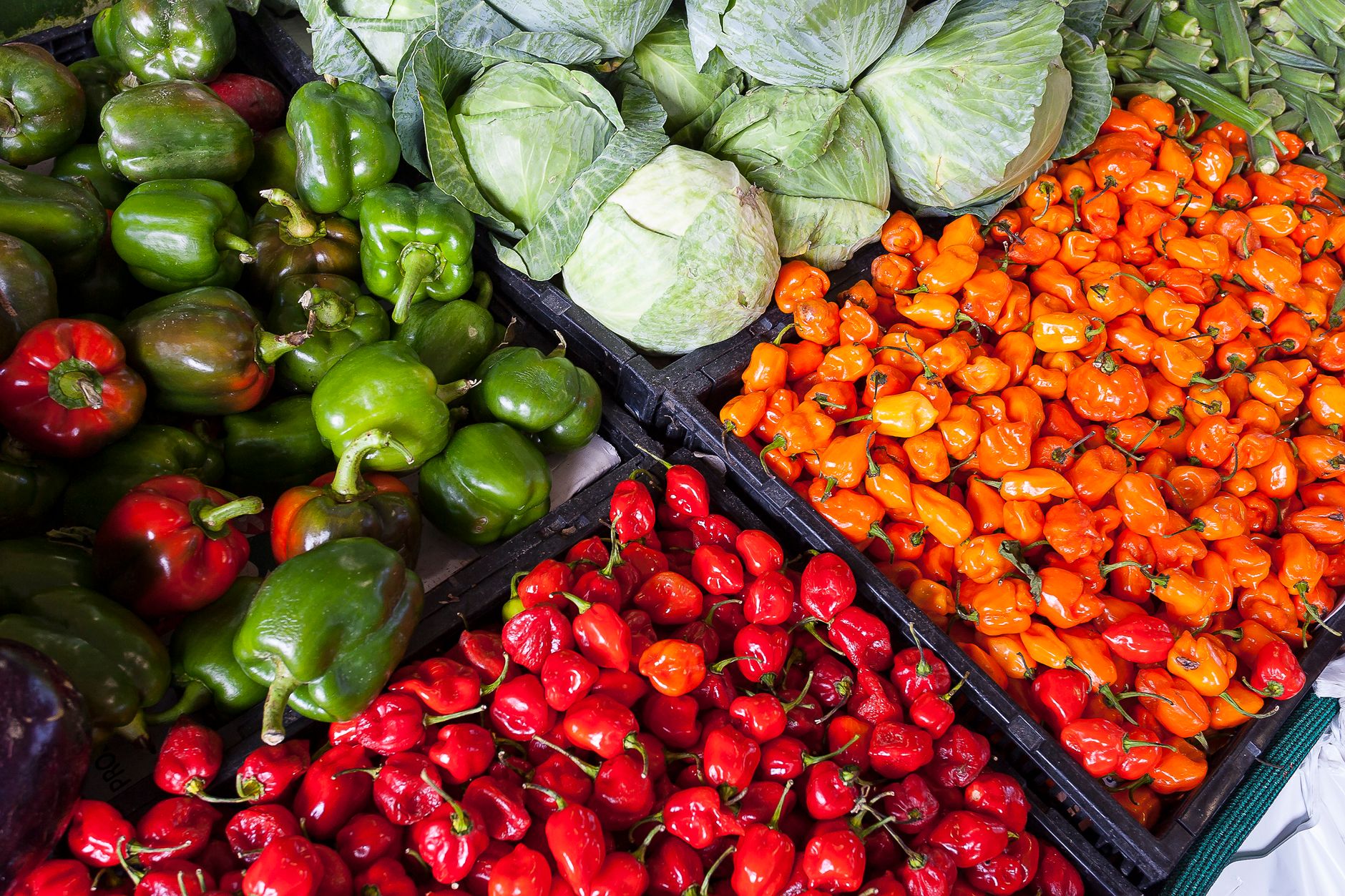
The Carolina Reaper is widely considered one of the hottest peppers in the world, known for its intense heat and complex flavor. Developed in South Carolina, this pepper is a favorite among heat aficionados and culinary adventurers alike. Understanding the Carolina Reaper’s taste, texture, and kitchen uses can help you make the most of this fiery ingredient.
Delving into the unique characteristics of the Carolina Reaper reveals why it’s become a staple in spicy recipes and challenges. With a Scoville Heat Unit (SHU) rating typically around 1.5 million, it’s important to handle this pepper with care and knowledge.
What Is a Carolina Reaper?
The Carolina Reaper is a hybrid chili pepper cultivated by Ed Currie of the PuckerButt Pepper Company in South Carolina. This pepper was recognized by the Guinness World Records in 2013 as the world’s hottest pepper. It has a unique appearance and flavor profile that sets it apart from other chili varieties.
Flavor Profile and Texture
The Carolina Reaper is not just about heat; it also offers a rich flavor profile that makes it an intriguing ingredient. Its flavor is described as fruity and sweet, often compared to a tamarind or berry-like essence, which complements its intense heat.
The texture of the Carolina Reaper is smooth, with a slightly wrinkled skin, giving it a robust, meaty feel. This texture can vary slightly depending on the ripeness of the pepper when harvested. Generally, the brighter red the pepper, the sweeter and more flavorful it tends to be.
Understanding Heat Levels
On average, the Carolina Reaper registers between 1.4 and 2.2 million SHU, making it significantly hotter than jalapeños (which average 2,500–8,000 SHU) and even hotter than the Ghost Pepper, previously known for its extreme heat. When working with Carolina Reapers, it’s crucial to approach with caution and use them sparingly, especially if you are unfamiliar with handling hot peppers.
Kitchen Uses for Carolina Reapers
The versatility of Carolina Reapers allows for various culinary applications. Here are some ideas to incorporate this pepper into your cooking:
- Salsas and sauces: Finely chop Carolina Reapers and mix them into salsas or sauces for a fiery kick.
- Marinades: Use Carolina Reapers in marinades for meats or vegetables, adding depth and heat to your dishes.
- Hot sauces: Infuse homemade hot sauces with Carolina Reaper for an intense flavor profile.
- Infused oils: Create infused oils by combining oil with chopped Carolina Reapers for drizzling over pizzas or pastas.
- Chili recipes: Use these peppers in chili con carne or veggie chili for robust and spicy flavor.
How to Handle Carolina Reapers
When working with Carolina Reapers, safety is paramount. Here are some essential handling tips:
- Wear gloves: Always wear gloves to protect your skin from the intense capsaicin found in the peppers.
- Avoid touching the face: Avoid touching your face, especially your eyes, after handling the peppers.
- Ventilation: Ensure good ventilation when cooking with Carolina Reapers to avoid overwhelming fumes.
- Wash hands after handling: Always wash your hands thoroughly after touching the peppers, even if you wore gloves.
Cooking with Carolina Reapers
Cooking with Carolina Reapers requires some finesse. Start with small amounts to gauge the heat level before adding more. Here’s a simple method to create a hot sauce using Carolina Reapers:
Carolina Reaper Hot Sauce Recipe
This recipe yields approximately 1 cup of hot sauce. The preparation time is around 10 minutes, with a cooking time of 30 minutes, making the total time about 40 minutes.
Ingredients
- 10 Carolina Reaper peppers, stems removed
- 2 cups white vinegar
- 1 teaspoon salt
- 1 teaspoon sugar (optional, to balance heat)
- 1 garlic clove, minced
- 1 tablespoon olive oil
Essential Equipment
- Blender or food processor
- Saucepan
- Glass jar or bottle for storage
- Gloves for handling peppers
- Strainer (optional, for a smoother sauce)
Method
- In a saucepan over medium heat, combine the Carolina Reaper peppers, white vinegar, salt, sugar, and garlic.
- Bring the mixture to a gentle boil, then reduce the heat and simmer for about 15-20 minutes until the peppers are soft.
- Remove from heat and allow to cool slightly.
- Transfer the mixture to a blender, and add the olive oil. Blend until smooth.
- If desired, strain the sauce through a fine-mesh strainer for a smoother consistency.
- Once the sauce is blended to your liking, pour it into a glass jar or bottle and store it in the refrigerator for up to 3 months.
Serving Suggestions
Carolina Reaper hot sauce can be served in various ways:
- As a condiment for grilled meats, such as chicken or ribs.
- Drizzled over tacos or burritos for an extra kick.
- As a dipping sauce for fried foods or vegetables.
- Mixed into soups or stews to enhance flavor and heat.
Practical Substitutions for Carolina Reapers
If you cannot find Carolina Reapers or prefer a milder flavor, consider these substitutions:
- Ghost pepper: Offers similar heat and flavor but slightly less intense.
- Habanero pepper: A more accessible option with fruity notes and moderate heat (100,000–350,000 SHU).
- Serrano pepper: Milder (2,500–5,000 SHU) and works well in salsas and sauces if you desire less heat.
- Red chili flakes: Can mimic some flavor but will lack the distinct taste of fresh peppers.
Common Mistakes and Troubleshooting
When cooking with Carolina Reapers, it’s common to make a few mistakes. Here are some issues and solutions:
- Too much heat: If you overly spice a dish with the Carolina Reaper, try to balance it by adding dairy (like yogurt or cream) or sweeteners (like honey or sugar).
- Inappropriate chopping: Ensure the peppers are finely chopped; large pieces can lead to unexpected bursts of heat.
- Sauce too thick: If your hot sauce is too thick, add more vinegar or water to achieve your desired consistency.
Storage and Reheating
Proper storage of your Carolina Reaper hot sauce ensures freshness:
- Keep the hot sauce in a sealed glass jar or bottle to prevent contamination.
- Store it in the refrigerator for up to three months.
- Do not freeze, as it can alter the flavor and texture of the peppers.
Exploring Carolina Reapers in Diverse Cuisines
The unique flavor and heat of Carolina Reapers can enhance various culinary traditions. Here are some suggestions to explore:
- Thai Cuisine: Incorporate chopped Carolina Reapers in spicy Thai salads or curries for an authentic flavor boost.
- Mexican Cuisine: Use in pico de gallo or hot sauces to elevate traditional dishes.
- Indian Cuisine: Add to curries or chutneys, blending with spices for depth and heat.
- Caribbean Cuisine: Mix with tropical fruits in marinades or sauces for a sweet and spicy combination.
Conclusion
The Carolina Reaper is a fascinating pepper that brings a unique blend of intense heat and flavor to various dishes. It can elevate simple meals to new heights, provided it is used wisely and with respect. Whether you’re making hot sauce, salsas, or trying your hand at international recipes, the Carolina Reaper can be an exciting ingredient to explore.
For those looking to experiment with spicy flavors, consider checking out some delicious chili recipes, salsa preparations, or hot sauce variations that will complement your culinary adventures.