
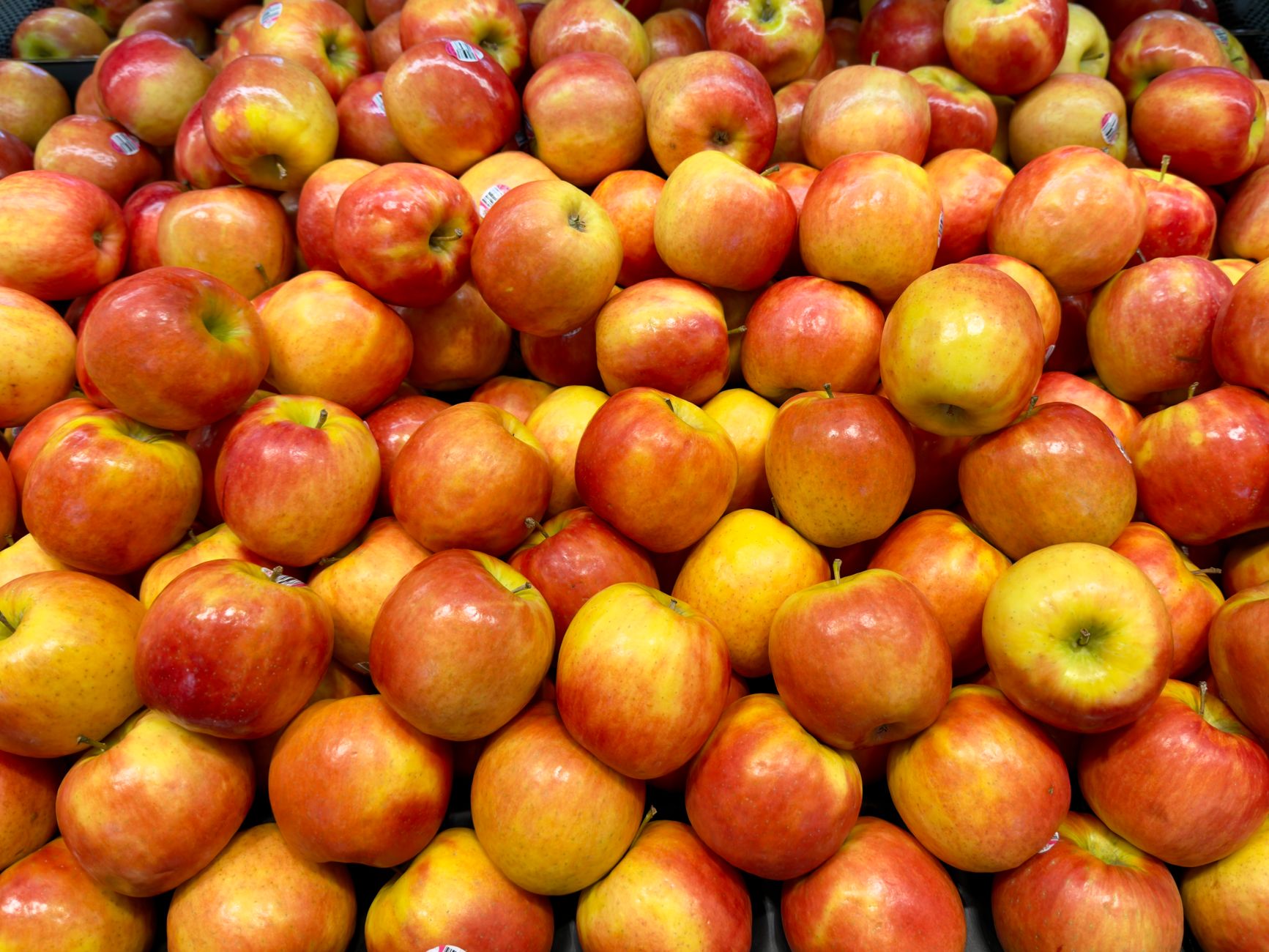
Apples are one of the most popular fruits enjoyed worldwide. Known for their crisp texture and sweet, tart flavor, they serve as a perfect snack, ingredient in various dishes, or even as a beverage component. However, if you’re watching your carbohydrate intake or just curious about the nutritional value of apples, understanding how many carbohydrates are in them can help inform your choices.
This article will explore the carbohydrate content of apples, providing insights into their nutritional makeup, potential health benefits, and how they can fit into your meal planning or culinary endeavors. Whether you enjoy apples raw, cooked, or in various recipes, you will find helpful information here.
How Many Carbohydrates in an Apple?
An average medium-sized apple (about 182 grams) contains approximately 25 grams of carbohydrates. This includes about 4 grams of dietary fiber and 19 grams of natural sugars. The carbohydrate content can vary slightly based on the apple variety and size. Understanding this breakdown is essential for individuals managing their carbohydrate intake, such as those on low-carb diets or monitoring blood sugar levels.
Understanding Apple Varieties and Their Sugar Content
Different apple varieties can contain varying amounts of carbohydrates and sugars. Here is a brief overview of some common apple types and their carbohydrate content:
- Fuji: A medium Fuji apple (about 184 grams) has approximately 28 grams of carbohydrates.
- Granny Smith: This tart apple contains around 20 grams of carbohydrates per medium apple (about 182 grams).
- Gala: A medium Gala apple (about 182 grams) contains roughly 25 grams of carbohydrates.
- Honeycrisp: A medium Honeycrisp apple (about 200 grams) has about 29 grams of carbohydrates.
The differences in carbohydrate content are primarily due to the sugar levels and fiber content in each apple variety. Generally, sweeter apples tend to have higher carbohydrate content because of their natural sugar levels.
A Detailed Look at Nutritional Content
In addition to carbohydrates, apples contain several other vital nutrients that contribute to a balanced diet. Here is a typical nutritional breakdown for a medium-sized apple (about 182 grams):
| Nutrient | Amount |
|---|---|
| Calories | 95 |
| Carbohydrates | 25g |
| Fiber | 4g |
| Sugars | 19g |
| Protein | 0.5g |
| Fat | 0.3g |
| Vitamin C | 14% of the Daily Value (DV) |
| Potassium | 6% of the DV |
Why Are Carbohydrates Important?
Carbohydrates are one of the three macronutrients (along with proteins and fats) essential for the human body. They serve as the primary energy source, fueling not only physical activities but also the brain’s functions. However, not all carbohydrates are created equal. Distinguishing between simple and complex carbohydrates is crucial:
- Simple Carbohydrates: These are found in fruits, milk, and sugars. Their quick digestion makes them a fast energy source.
- Complex Carbohydrates: These include starches and fibers found in whole grains and legumes. They digest more slowly, providing sustained energy.
Apples contain simple carbohydrates, mainly sugars and dietary fiber, which help regulate blood sugar levels and improve digestive health.
Health Benefits of Eating Apples
Incorporating apples into your diet can offer several health benefits:
- Rich in Fiber: The fiber in apples enhances digestion, supports gut health, and helps manage weight by promoting satiety.
- Heart Health: Apples have been linked to a reduced risk of heart disease due to their antioxidant content, particularly flavonoids and polyphenols.
- Weight Management: The low-calorie and high-fiber nature of apples makes them an excellent food for weight control.
- Blood Sugar Control: The soluble fiber in apples can help slow sugar absorption and improve blood sugar levels, making them a good choice for diabetic individuals.
Ways to Enjoy Apples
Apples can be enjoyed in various forms, from raw to cooked. Here are some popular methods to incorporate apples into your meals:
Raw Apples
Eating apples raw is one of the simplest ways to enjoy them. You can slice them and eat them plain, or pair them with nut butter for added protein and healthy fats. Consider adding apple slices to salads for a refreshing crunch.
Baked Apples
Baked apples make for a comforting dessert. Core an apple, fill it with a mixture of oats, nuts, and spices, and bake until tender. This method also intensifies the natural sweetness of apples.
Apple Sauce
Homemade apple sauce is a versatile ingredient great for baking or serving as a side dish. To make it, peel and cube apples, cook them with a bit of water and cinnamon until soft, and mash or blend to your desired consistency.
Apple Juice or Cider
Freshly squeezed apple juice and homemade cider are delightful beverages, especially in the fall. They can be enjoyed on their own or used as mixers in cocktails.
Salads and Side Dishes
Chopped apples add a sweet and tart flavor to salads. Combine diced apples with greens, nuts, cheese, and vinaigrette for a bright and flavorful side. They work well in coleslaw, too!
Meal Planning with Apples
Including apples in your meal planning can provide not only flavor and nutrition but also variety. Here are some tips for effectively using apples in your meals:
- Combine with Proteins: Pair apples with proteins like chicken, turkey, or cheese to create balanced meals.
- Batch Cooking: Prepare apple-based desserts or sauces in advance to use throughout the week.
- Snacks on the Go: Keep whole apples in your bag for a convenient snack option when you’re on the move.
Practical Tips for Selecting Apples
When choosing apples, consider the following tips to select the best quality:
- Look for Firmness: A ripe apple should feel firm to the touch without any soft spots.
- Check the Skin: The skin should be smooth and vibrant in color. Avoid apples with blemishes or wrinkles.
- Smell the Aroma: A fragrant apple generally indicates freshness. Trust your senses when choosing the best fruit.
Storage Tips
Proper storage can prolong the shelf life of apples:
- Store apples in the refrigerator to keep them fresh longer. They can last up to 4 to 6 weeks if kept in the crisper drawer.
- Keep apples away from other fruits, as they release ethylene gas, which can speed up the ripening of other produce.
Common Mistakes to Avoid When Cooking with Apples
Cooking with apples can be a delight, but there are some common pitfalls to avoid:
- Not Peeling: While the peel contains beneficial fiber and nutrients, it can be tough in some recipes. Evaluate whether to peel based on the dish.
- Overcooking: When cooking apples, don’t overdo it. They can become mushy if cooked for too long, especially in sauces or baking.
- Ignoring Variety: Not all apple varieties suit every recipe. Be mindful of the flavor profile and texture needed for your dish.
Final Thoughts on Apples
Apples are a nutritious addition to a balanced diet. With around 25 grams of carbohydrates per medium apple, they provide natural sweetness along with essential vitamins and minerals. Whether enjoyed raw, baked, or in various recipes, their versatility makes them an excellent choice for meals and snacks.
To make the most of apples in your kitchen, consider experimenting with different recipes and cooking techniques. Utilize their natural sweetness and flavor in both savory and dessert dishes for balanced meals.
If you’re excited to explore more ways to enjoy apples, check out these recipes: Apple Pie Filling Recipe and Apple Filling Recipe.