
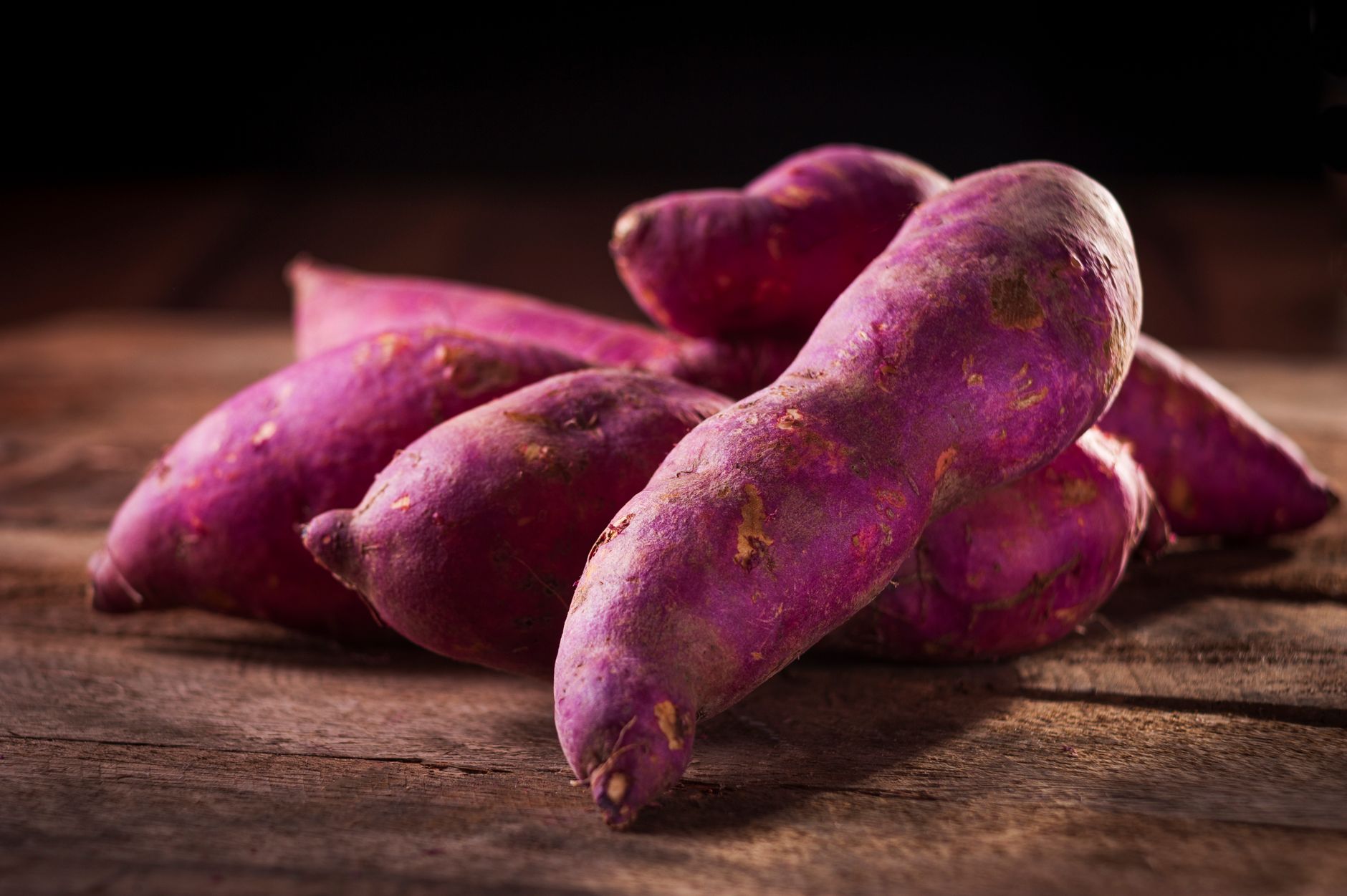
Steaming sweet potatoes is a popular cooking method that preserves their natural sweetness and nutrients while offering a soft, creamy texture. The process is simple, and when done correctly, sweet potatoes make for a delicious side dish or can be incorporated into a variety of meals. This guide provides insights into how long to steam sweet potatoes, tips for perfect doneness, and some helpful techniques.
In this article, we will cover everything you need to know about steaming sweet potatoes, including timing, preparation steps, and common pitfalls to avoid. Whether you’re looking to dip them in your favorite sauce or toss them into salads, having perfectly steamed sweet potatoes is essential.
How Long to Steam Sweet Potatoes?
The time it takes to steam sweet potatoes can vary based on their size and your desired doneness. On average, small to medium-sized sweet potatoes take about 25 to 30 minutes to steam, while larger varieties may require up to 40 minutes. The goal is to steam them until they are tender and easily pierced with a fork.
Choosing the Right Sweet Potatoes
Before steaming, selecting the right sweet potatoes can enhance your dish. Consider the following factors when shopping:
- Variety: There are several varieties of sweet potatoes, including orange-fleshed, purple-fleshed, and white-fleshed. Each has its own flavor profile. Orange-fleshed sweet potatoes are sweeter, while the white and purple varieties have a more savory taste.
- Size: Look for sweet potatoes that are similar in size to ensure even cooking. Larger potatoes will take longer to steam, while smaller ones will cook faster.
- Storage: Sweet potatoes should be firm and free from blemishes or soft spots. Store them in a cool, dark place to maximize their shelf life.
Equipment Needed for Steaming
Having the right equipment is crucial for efficient steaming. Here’s what you’ll need:
- Steamer Basket: A bamboo or metal steamer basket is perfect for allowing steam to circulate around the sweet potatoes.
- Pot with a Lid: Use a pot deep enough to hold water and the steamer basket, with a lid to trap steam.
- Knife and Cutting Board: A good knife will help with cutting the sweet potatoes into uniform pieces for even cooking.
- Timer: A timer is helpful to avoid overcooking.
Step-by-Step Guide to Steaming Sweet Potatoes
Follow these steps for perfectly steamed sweet potatoes:
- Prepare the Sweet Potatoes: Wash and scrub the sweet potatoes to remove any dirt. If desired, peel them; however, leaving the skin on will help retain nutrients.
- Cut into Uniform Pieces: For faster cooking, cut the sweet potatoes into cubes or slices. Aim for uniform pieces that are about 1-inch thick, as this will ensure they cook evenly.
- Set Up Your Steamer: Fill the pot with water—about 1 to 2 inches deep—making sure it doesn’t touch the bottom of the steamer basket. Bring the water to a boil over medium-high heat.
- Steam the Sweet Potatoes: Once the water is boiling, place the sweet potatoes in the steamer basket. Cover with a lid and steam for about 25 to 30 minutes for medium-sized pieces or 40 minutes for larger chunks.
- Check for Doneness: Use a fork to pierce the sweet potatoes after the recommended cooking time. If it goes in easily, they are done. If not, steam for an additional 5-10 minutes, checking periodically.
- Remove and Serve: Carefully remove the steamer basket from the pot, and allow the steam to escape before serving. Sweet potatoes can be seasoned, mashed, or served as is.
Flavor and Texture
Steamed sweet potatoes have a naturally sweet and slightly earthy flavor. The texture can vary depending on cooking time: Properly steamed sweet potatoes are tender and creamy, making them perfect for mashing or eating whole. Overcooking can cause them to become mushy, while undercooking leaves them firm and starchy.
Serving Suggestions
Steamed sweet potatoes are versatile and can enhance many dishes. Here are a few ideas for serving:
- As a Side Dish: Serve them alongside grilled meats or fish, seasoned with salt and pepper, or a drizzle of olive oil.
- In Salads: Add cooled, cubed sweet potatoes to salads for added texture and sweetness.
- Pureed: Mash or puree steamed sweet potatoes with a little butter, maple syrup, or coconut milk for a delicious side.
- In Dips: Blend steamed sweet potatoes with spices and yogurt to create a flavorful dip.
Common Mistakes and Troubleshooting
While steaming sweet potatoes is straightforward, there are some common mistakes to avoid:
- Not Cutting Uniformly: Cutting sweet potatoes into uneven sizes can lead to some pieces becoming overcooked while others remain undercooked. Always aim for uniform sizes.
- Using Too Much Water: Make sure the water doesn’t touch the bottom of the steamer basket. Excess water can lead to boiling instead of steaming, altering the texture.
- Opening the Lid Frequently: Each time you lift the lid, steam escapes, increasing cooking time. Only lift the lid when necessary.
- Overcooking: Steamed sweet potatoes should be tender but not mushy. Timing is key, so monitor closely during the last few minutes of cooking.
Storage and Reheating Tips
If you have leftover steamed sweet potatoes, proper storage can extend their shelf life:
- Storage: Allow the steamed sweet potatoes to cool completely before placing them in an airtight container. Store in the refrigerator for up to five days.
- Freezing: Sweet potatoes can be frozen. Cut them into portions, place them in a freezer-safe bag, and store for up to three months. Thaw in the refrigerator before reheating.
- Reheating: You can reheat steamed sweet potatoes in a microwave, on the stove with a little water, or in the oven. Ensure they are heated through, but avoid overcooking.
Variations and Substitutions
There are many ways to customize steamed sweet potatoes based on your preferences:
- Herbs and Spices: Add fresh herbs like rosemary or thyme to the water for added aroma, or sprinkle spices such as cinnamon or nutmeg for a sweeter flavor profile.
- Citrus Zest: Grated lemon or orange zest can brighten the flavor of sweet potatoes when added after cooking.
- Alternative Cooking Methods: If you don’t have a steamer, boiling sweet potatoes is an option, but be cautious not to overcook them. Roasting sweet potatoes can also bring out their natural sugars.
Sweet Potato Nutrition
Sweet potatoes are a nutritious option packed with beneficial nutrients. While exact nutrition values can vary based on preparation and portion sizes, here are some general benefits:
- Rich in Vitamins: Sweet potatoes are a great source of vitamin A, vitamin C, and B vitamins.
- High in Fiber: Their high fiber content supports digestive health.
- Low in Calories: They are relatively low in calories, making them an excellent choice for healthy eating.
Final Thoughts
Steaming sweet potatoes is an easy and healthy cooking method that results in a deliciously sweet side dish or ingredient for numerous recipes. With the right timing and techniques, you can enjoy the creamy texture and flavor they offer effortlessly. Give steaming a try for your next meal, and enjoy the benefits of this nutritious root vegetable!
Explore our other guides for baked sweet potatoes at How Long to Bake a Sweet Potato and read about unique recipes such as White Sweet Potato Recipe to enhance your culinary experience!