
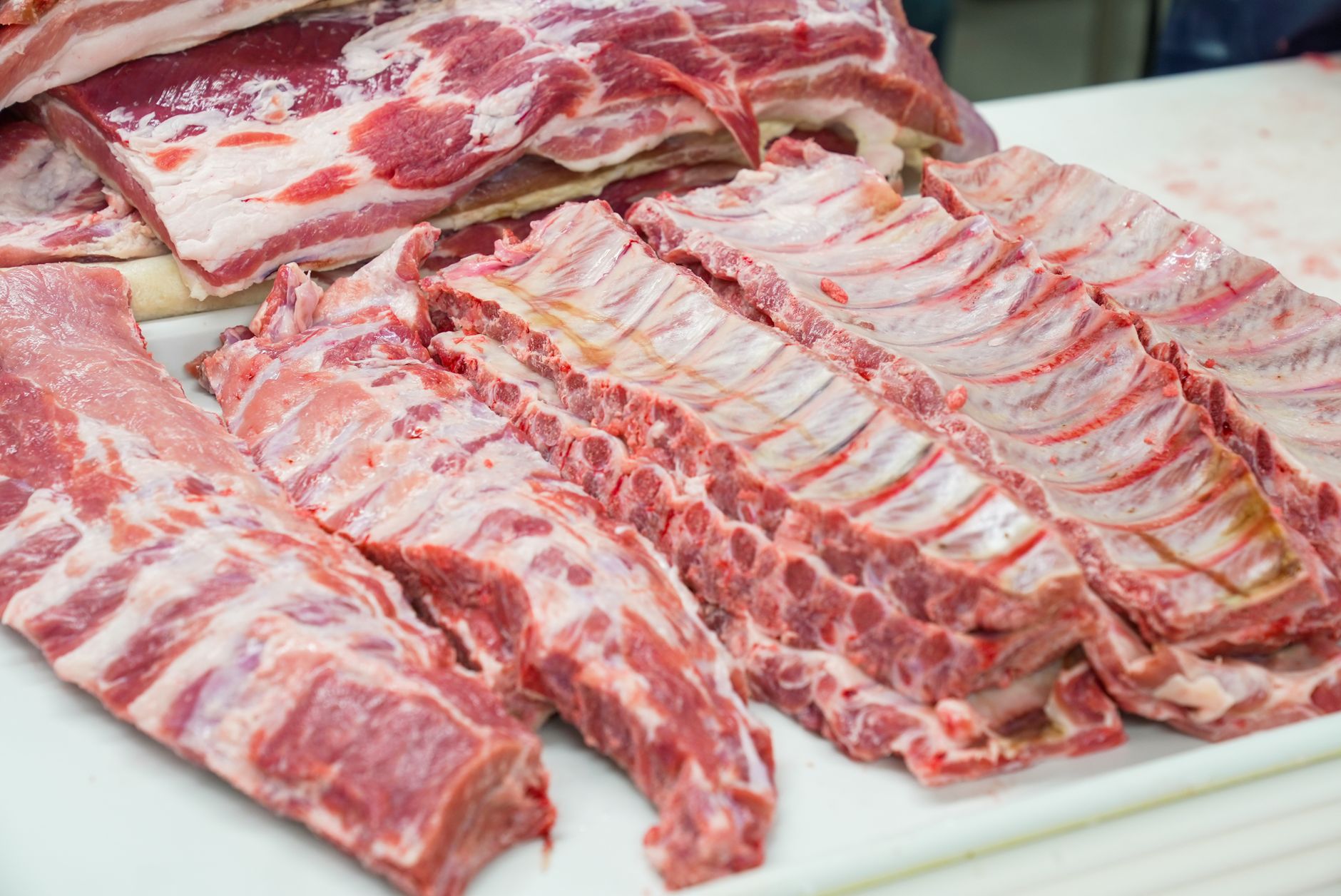
When it comes to pork, one common concern that arises among consumers is whether the meat can harbor worms or parasites. Understanding the risks associated with pork consumption and how to safely prepare and cook this popular protein is crucial for maintaining a healthy diet. This article will clarify the myths surrounding worms in pork, discuss relevant food safety measures, and provide cooking tips to ensure a delicious and safe dining experience.
In order to grasp this topic fully, we will explore the types of parasites that can occur in pork, the signs of infestation, effective cooking practices, and specific recommendations for pork selection and storage. Keeping these factors in mind will help you make informed choices when incorporating pork into your meals.
Does Pork Have Worms in It?
No, pork does not typically contain worms. However, it can be affected by parasites such as Trichinella species, which can cause Trichinosis if ingested. Other parasites, such as the larvae of the pork tapeworm (Taenia solium), can also be present. These parasites are not visible in the meat itself, making proper cooking techniques essential for safety.
Understanding Pork Parasites
Pork can be a host to specific parasites that pose health risks if consumed without adequate cooking. Let’s take a closer look at the most notable ones:
1. Trichinella Spiralis
Trichinella spiralis is the primary species responsible for Trichinosis. This infection occurs when humans consume undercooked meat containing the larvae of the parasite. Symptoms can include gastrointestinal discomfort, muscle pain, and fever. It’s worth noting that Trichinosis has become rarer in developed countries due to improved farming and food safety practices.
2. Taenia Solium (Pork Tapeworm)
The pork tapeworm can exist in two forms: the larval form (larvae) and the adult form (tapeworm). When undercooked pork is consumed, the larvae can develop into adult tapeworms in the human intestines, leading to taeniasis. Good hygiene practices, such as washing hands, help reduce transmission risks.
3. Other Potential Parasites
While Trichinella and Taenia solium are the most commonly associated with pork, other parasites, like Toxoplasma gondii and various types of roundworms, can also affect meat. These parasites are not always specific to pork and are often found in a variety of meat products. Proper cooking remains crucial for eliminating these threats.
How to Select Safe Pork
Selecting quality pork is the first step in ensuring a safe cooking experience. Here are some tips for choosing pork wisely:
- Look for Quality Cuts: Choose cuts from reputable sources. Look for fresh, pinkish-red meat with minimal discoloration. Avoid any meat that appears slimy or has an off odor.
- Check Labels: Opt for pork that is labeled as “USDA inspected” or “organic,” as this often signifies higher farming standards.
- Consider Frozen Options: Freezing pork at sub-zero temperatures for a certain period can kill certain parasites. Aim to freeze pork for three weeks at -4°F to help ensure it is safe.
- Know Your Supplier: Supporting local farmers or markets can often lead to higher-protocol standards and better-quality meat.
Proper Cooking Techniques
Cooking pork to the appropriate internal temperature is essential in eliminating any potential parasites or pathogens. Here’s what you need to know about safe cooking practices:
1. Recommended Internal Temperatures
The USDA recommends the following minimum internal temperatures for pork:
- Whole Cuts: Cook to a minimum of 145°F (63°C) followed by a three-minute rest time.
- Ground Pork: Cook to a minimum of 160°F (71°C).
- Pork Sausages: Should also reach at least 160°F.
2. Using a Food Thermometer
An accurate food thermometer is the best way to ensure your pork is cooked to a safe temperature. Insert the thermometer into the thickest part of the meat, avoiding bones to get the most accurate reading.
3. Cooking Methods
Several cooking methods can help ensure that pork is cooked safely and retains its flavor:
- Roasting: A popular choice for large cuts of pork, such as loin or shoulder. Aim to cook the meat in a preheated oven at 350°F (175°C) until it reaches the desired internal temperature.
- Grilling: Ideal for chops and sausages. Be sure to use indirect heat to maintain a consistent cooking temperature and prevent burning.
- Searing and Braising: A two-step method where the meat is first seared on high heat and then cooked slowly in either water or broth.
- Slow Cooking: A method that allows pork to become tender over a longer cooking time, retaining moisture and flavor. Ensure that it reaches the appropriate temperature as mentioned earlier.
Signs of Infestation
While it’s not common to see actual worms or larvae in pork, recognizing signs of infestation in meat can help avoid purchasing compromised products. Here’s what to observe:
- Unusual Odor: Fresh pork should have a mild smell. If you detect any sour or foul odors, it could indicate spoilage.
- Texture Changes: Meat that appears slimy or tacky is often spoiled and should be discarded.
- Discoloration: A change in color, especially dark spots or greenish areas, suggests spoilage.
Storage and Leftovers
Proper storage is vital in preventing foodborne illnesses and ensuring the quality of pork. Follow these guidelines:
1. Refrigerating Raw Pork
Store raw pork in the coldest part of your refrigerator, ideally at a temperature of 40°F (4°C) or below. Wrap it tightly in plastic wrap or place it in an airtight container.
2. Freezing Pork
If you won’t use the pork within a few days, freezing is an excellent option. Make sure to wrap it tightly to prevent freezer burn, and label it with the date. Cooked pork should also be frozen if not consumed within three to four days.
3. Reheating Leftovers
When reheating leftover pork, ensure it reaches an internal temperature of at least 165°F (74°C) throughout. Use a food thermometer to check the temperature before serving.
4. Shelf Life
For cooked pork, the guidelines typically suggest consuming leftovers within three to four days if stored properly in the refrigerator. Frozen cooked pork can last for up to six months but may lose its quality over time.
Common Mistakes to Avoid
When cooking and storing pork, several common pitfalls can lead to safety issues. Here are a few mistakes to avoid:
- Not using a thermometer: Relying solely on cooking times can result in undercooked meat. Always use a thermometer to check for safety.
- Cross-contamination: Always wash hands, utensils, and surfaces that have come into contact with raw pork before touching cooked foods to prevent the spread of bacteria.
- Improper thawing: Never thaw pork at room temperature; always defrost it in the refrigerator, cold water, or microwave to prevent bacterial growth.
Creative Pork Dishes and Serving Suggestions
Pork is a versatile ingredient that can be included in numerous dishes. Here are a few serving suggestions to enjoy cooked pork:
- Pulled Pork Sandwiches: Slow-cooked pulled pork can be served on a bun with BBQ sauce and coleslaw for a classic meal.
- Pork Stir-Fry: Sauté thinly sliced pork with colorful vegetables and your favorite sauce for a quick weeknight meal.
- Pork Tacos: Use cooked pork as a filling for tacos, topped with fresh salsa and cilantro.
- Pork Chops with Applesauce: A classic pairing that complements the meat’s savory flavors.
Conclusion
Knowledge about pork safety is essential for its preparation and consumption. While pork does not have worms, it can be affected by various parasites that can be rendered harmless through cooking. By selecting quality pork, cooking to the recommended temperatures, and practicing mindful storage, you can enjoy this flavorful protein safely and deliciously.
Explore more about flavorful pork options with recipes like Pork Egg Rolls or learn how to enhance your dishes with a Pork Marinade recipe. Happy cooking!