
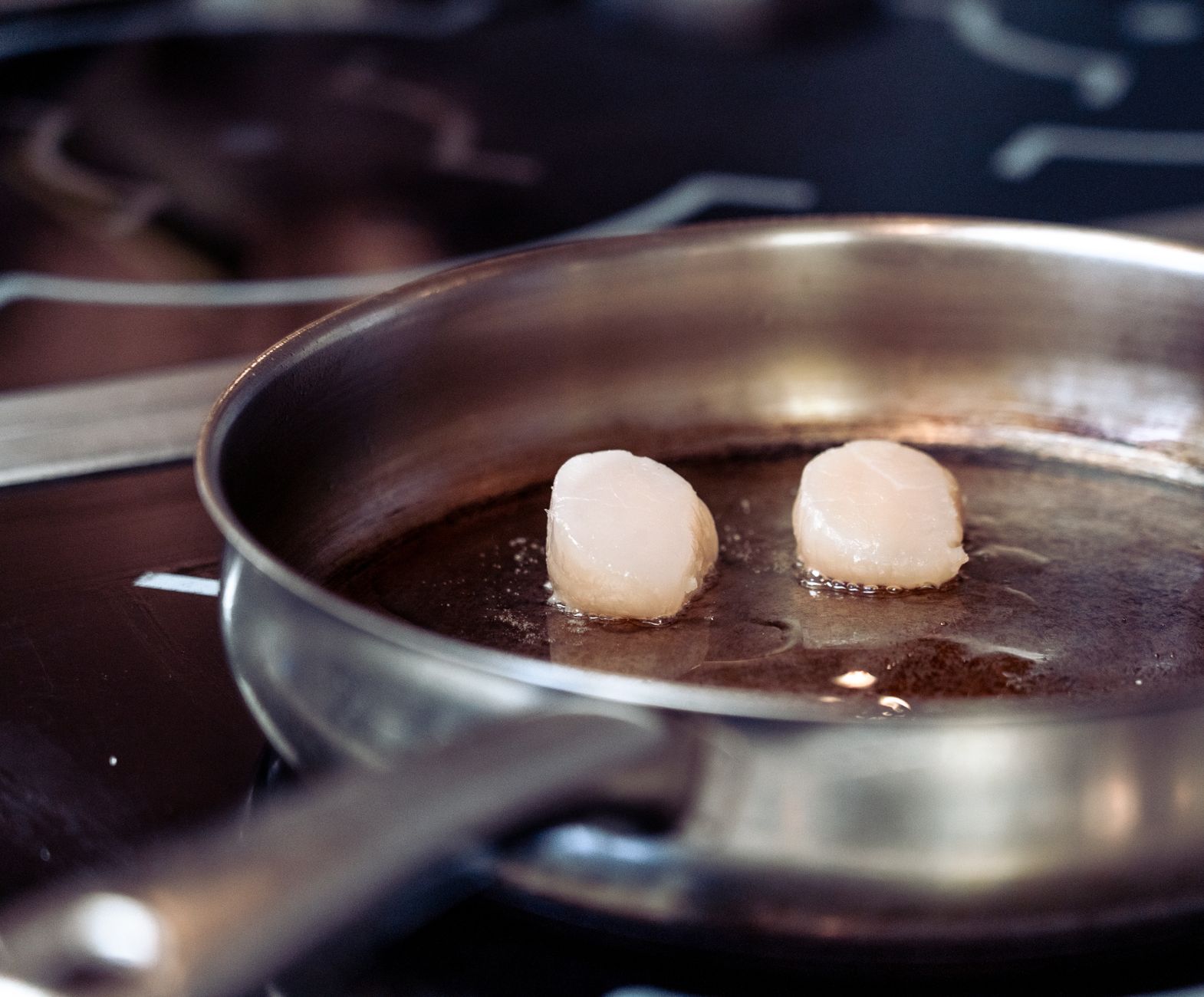
Diver scallops are a type of sea scallop, specifically harvested by divers rather than through traditional trawling methods. This harvesting technique preserves the delicate ecosystem of the ocean floor while ensuring high-quality scallops for culinary use. Known for their sweet flavor and tender texture, diver scallops have become a favorite among seafood enthusiasts and chefs alike.
In this guide, we will explore what diver scallops are, their flavor and texture profile, their culinary applications, purchasing tips, and how to cook them perfectly. Whether you’re a home cook or a gourmet chef, understanding this ingredient will elevate your seafood dishes and provide you with delicious dining experiences.
What Are Diver Scallops?
Diver scallops are primarily the Atlantic sea scallop (Placopecten magellanicus) harvested by SCUBA divers or free divers. This method allows for selective fishing, minimizing bycatch and damage to the ocean floor ecosystem. Most scallops you find in supermarkets or restaurants have been caught using dredging, which can harm marine life and habitats.
The careful harvesting of diver scallops results in a fresher product that is often considered superior in taste and quality. As they are harvested by divers, they are less likely to be mishandled, ensuring a more robust flavor and firmer texture. They are often available in regions where diving is practiced, like New England in the United States.
Flavor Profile of Diver Scallops
Diver scallops have a sweet, delicate flavor that is more pronounced than that of scallops harvested through dredging. Their sweetness comes from the natural diet they consume in the ocean, which includes phytoplankton and small organisms. This results in a rich, creamy taste that enhances any dish.
When cooked properly, diver scallops offer a buttery mouthfeel that pairs well with a variety of flavor profiles, from savory to citrusy. This versatile seafood can be enjoyed simply with a dash of salt and pepper or transformed into elaborate dishes with complex flavors.
Texture of Diver Scallops
The texture of diver scallops is tender yet firm, making them ideal for various cooking methods. When cooked, they develop a slight crust on the outside while remaining succulent and juicy inside. This balance of tenderness and a slight bite sets them apart from other types of scallops.
Fresh diver scallops are typically plump and moist. Under- or overcooking is a common issue; therefore, achieving the right doneness is crucial to maintaining their desirable texture. Perfectly cooked diver scallops should feel springy when pressed and have a translucent center.
Cooking Techniques for Diver Scallops
Several cooking techniques can be used to highlight the natural flavor and texture of diver scallops. Here are some of the most popular methods:
Searing
Searing is one of the best methods to prepare diver scallops, creating a beautiful crust while keeping the inside tender. Here’s a quick guide on how to sear diver scallops:
- Pat the scallops dry with a paper towel to remove excess moisture.
- Season the scallops lightly with salt and pepper.
- Heat a skillet over medium-high heat and add oil (such as olive oil or clarified butter).
- Once the oil is shimmering, place the scallops in the skillet, ensuring not to overcrowd the pan.
- Sear for approximately 1.5 to 2 minutes on each side until they are golden brown.
- Remove from heat and let them rest for a minute before serving.
Grilling
Grilling diver scallops adds a smoky flavor and char that pairs well with seafood. Use skewers to grill scallops easily without losing them through the grill grates.
- Preheat the grill to medium-high heat.
- Soak wooden skewers in water for 30 minutes to prevent burning.
- Thread scallops onto the skewers with vegetables or herbs for added flavor.
- Brush scallops lightly with olive oil and season with salt and pepper.
- Grill for 2-3 minutes per side until opaque and firm.
Baking
Baking diver scallops is a simple, hands-off approach that works well. You can create a delicious scallop gratin or simply bake them with butter and herbs.
- Preheat the oven to 400°F (200°C).
- Place scallops in a buttered baking dish and season with salt, pepper, and your choice of herbs.
- Add a light drizzle of melted butter over the top.
- Bake for 10-12 minutes or until scallops are opaque and firm to the touch.
Culinary Uses of Diver Scallops
Diver scallops can be used in various dishes that highlight their unique flavor and texture. Here are some popular culinary applications:
- Appetizers: Sear scallops and serve them on a bed of seasonal greens or atop a creamy puree (such as cauliflower or parsnip).
- Pasta Dishes: Add diver scallops to seafood pasta with lemon and garlic for a delightful entrée.
- Salads: Toss seared scallops into a fresh salad with citrus segments, avocado, and a light vinaigrette.
- Soups: Incorporate scallops into bisques or chowders for a luxurious touch.
How to Select and Purchase Diver Scallops
When purchasing diver scallops, freshness is paramount. Here are some tips to ensure you select the best scallops:
- Look for Transparency: Fresh scallops should appear shiny and somewhat translucent, indicating quality.
- Smell: Fresh sea scallops should have a clean, briny smell, resembling the ocean. Avoid scallops that smell fishy or sour.
- Texture: They should be firm to the touch and not slimy or mushy.
- Check Sizing: Diver scallops vary in size, with U/10 or U/12 indicating the number of scallops per pound. Choose based on your recipe requirements.
Storage and Handling of Diver Scallops
Proper storage is crucial to maintaining the quality and safety of diver scallops:
- Refrigeration: Uncooked scallops should be stored in the coldest part of the refrigerator in their original packaging or in an airtight container. Use them within 1-2 days of purchase.
- Freezing: If not using immediately, scallops can be frozen. Place them in a single layer on a baking sheet, freeze until firm, and then transfer to a freezer-safe container or bag. They can last up to three months in the freezer.
- Thawing: Thaw frozen scallops in the refrigerator overnight, or for quicker results, place them in cold water for about 30 minutes. Never thaw scallops at room temperature.
Common Mistakes and Troubleshooting
Cooking diver scallops can be tricky; here are potential pitfalls and how to avoid them:
- Overcooking: Scallops can become tough and rubbery if overcooked. Aim for an internal temperature of 125°F (52°C) for optimal doneness.
- Not Prepping: Avoid cooking scallops straight from the package. Always pat them dry to ensure a proper sear.
- Overcrowding the Pan: If you overcrowd the skillet, the scallops will steam rather than sear. Cook in batches if necessary.
- Ignoring Searing:** To achieve a good flavor, avoid skipping the searing step. A perfect crust is essential for the best taste.
Recipes Featuring Diver Scallops
Diver scallops can star in many delicious dishes. Here are a couple of recipes to showcase their flavor:
Searing Diver Scallops with Lemon-Butter Sauce
This quick, elegant dish highlights the natural sweetness of the scallops.
Servings: 4
Preparation Time: 10 minutes
Cooking Time: 10 minutes
Total Time: 20 minutes
Ingredients
- 1 pound diver scallops
- Salt and pepper, to taste
- 2 tablespoons olive oil
- 3 tablespoons unsalted butter
- 3 cloves garlic, minced
- 1 lemon, juiced and zested
- Fresh parsley, for garnish
Method
- Pat scallops dry and season with salt and pepper.
- Heat olive oil in a skillet over medium-high heat.
- Add the scallops and sear for 2-3 minutes per side until golden brown and opaque.
- Remove scallops from the skillet and set aside.
- In the same skillet, add butter and garlic; cook until fragrant.
- Stir in lemon juice and zest, mixing well.
- Return scallops to the skillet, coating them in the sauce.
- Serve immediately, garnished with parsley.
Diver Scallops with Pea Purée
This dish features a vibrant purée that complements the scallops beautifully.
Servings: 4
Preparation Time: 15 minutes
Cooking Time: 15 minutes
Total Time: 30 minutes
Ingredients
- 1 pound diver scallops
- Salt and pepper, to taste
- 2 tablespoons olive oil
- 1 cup frozen peas
- 1/4 cup vegetable broth
- 1 tablespoon butter
- 1 tablespoon mint, chopped (optional)
Method
- In a small pot, bring vegetable broth to a boil and add peas. Cook for 3 minutes until tender.
- Transfer peas to a blender, add butter, salt, and pepper. Blend until smooth.
- Pat scallops dry, season with salt and pepper.
- Heat olive oil in a skillet over medium-high heat; add scallops.
- Sear for 2-3 minutes per side until cooked through.
- Serve scallops on a bed of pea purée and garnish with chopped mint.
Diver scallops can enhance a variety of dishes, providing sophistication with their flavor and texture. Their adaptability makes them an excellent choice for casual family dinners or special occasions.
Understanding diver scallops, their flavor, and their best cooking methods can help transform your meals. Choose these premium scallops for their freshness and quality, and remember to treat them with care in the kitchen. Be mindful of how you cook them, avoid common pitfalls, and savor their unique taste in your next seafood dish.
For more seafood recipes and cooking tips, explore our delicious bay scallops recipe and our easy shrimp scampi recipe without wine.