
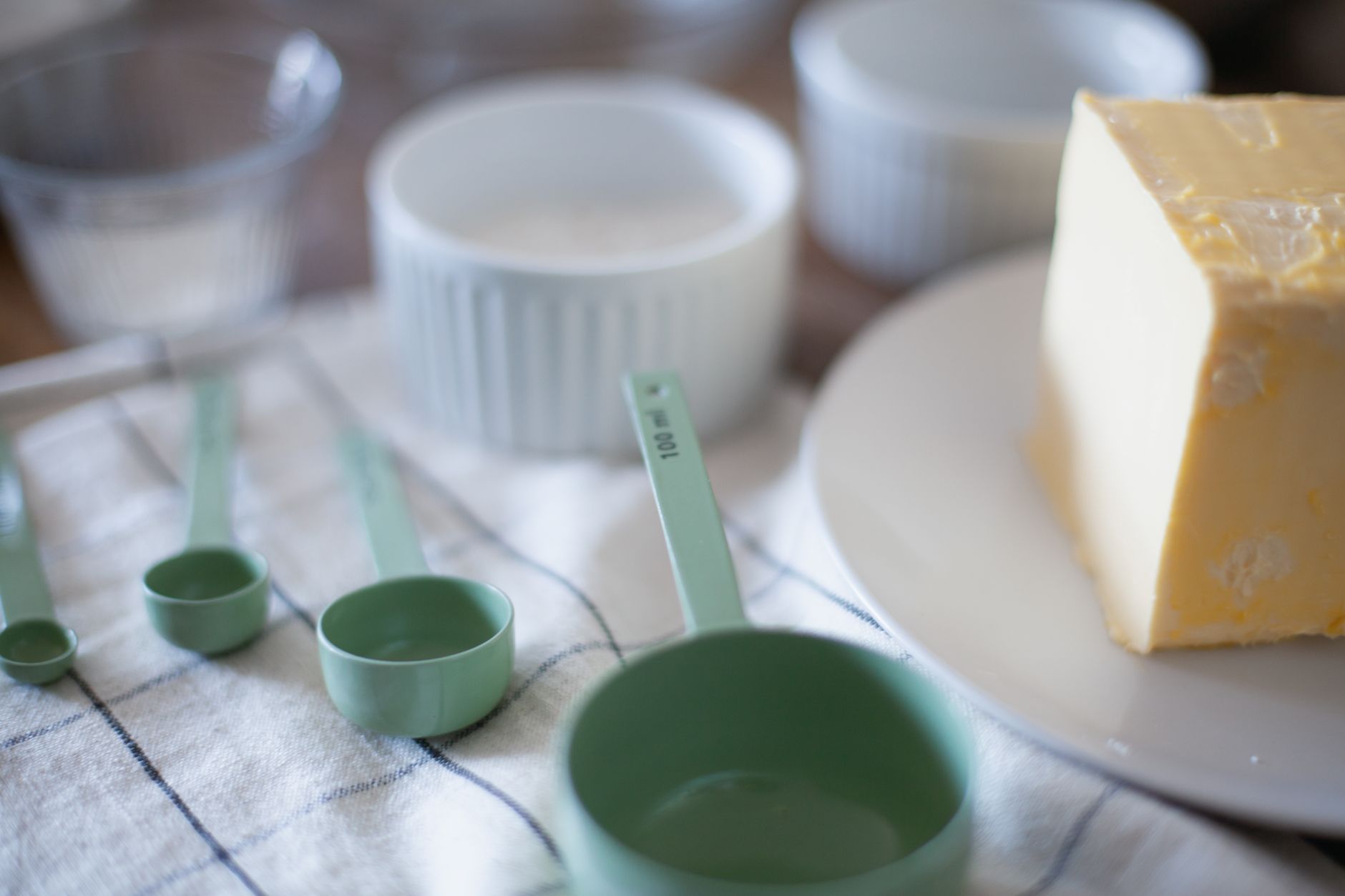
When diving into the world of cooking and baking, precise measurements are crucial for achieving the best results. Butter is one of those staple ingredients that often comes into the spotlight, not just for its rich flavor but also for its role in texture and moisture. One measurement that frequently surfaces is half a cup of butter. This guide will clarify how much 1/2 cup of butter weighs, its conversions, and some helpful measuring tips.
Understanding how to measure butter accurately can enhance your culinary skills and prevent mishaps in the kitchen. Whether you are whipping up a batch of cookies or creating a creamy sauce, having the right amount of butter can make all the difference in your dish. Let’s explore this topic further!
How Much Is 1/2 Cup Butter?
1/2 cup of butter weighs 4 ounces or approximately 113 grams. This measurement is consistent across various butter types, whether it’s salted, unsalted, or European style. When measuring butter, understanding the weight helps in precise cooking, especially in baking where accuracy is key.
Why Measuring Butter Matters
Butter not only contributes flavor but also affects the texture and structure of baked goods. Incorrect measurements can lead to dry or overly greasy dishes. For instance:
- Cakes: Too much butter can result in a dense cake, while too little can lead to a dry one.
- Cookies: Proper butter measurement influences the spread of cookies during baking.
- Sauces: The right amount of butter is essential for achieving the desired creaminess in sauces.
Conversions for 1/2 Cup of Butter
Understanding how to convert measurements can be particularly useful, especially if you’re following a recipe that uses different units. Here are some common conversions for 1/2 cup of butter:
- Weight: 1/2 cup of butter equals 4 ounces or approximately 113 grams.
- Tablespoons: 1/2 cup of butter is equivalent to 8 tablespoons.
- Teaspoons: Since each tablespoon has 3 teaspoons, 1/2 cup equals 24 teaspoons.
These conversions are not only handy for switching between recipes but also for scaling up or down depending on your needs. Knowing how much butter you need in ounces, tablespoons, or even teaspoons can streamline your preparation process.
How to Measure Butter Accurately
Precise measurement of butter can be achieved using a few different methods:
Using a Stick of Butter
Most sticks of butter come with clear measurements marked on the packaging. To measure 1/2 cup:
- Look for the markings on your butter stick. Each stick typically equals 1/2 cup (which is 4 ounces).
- Cut the stick at the 1/2 cup mark.
- Use a knife to slice it off cleanly.
Using a Kitchen Scale
For the most precise measurement, use a kitchen scale:
- Place a bowl on the scale and tare it to zero.
- Add butter until the scale reads 113 grams (4 ounces).
This method is especially useful for bakers who require precision and for international recipes where metric measurements are common.
Cup Measurement Method
If you only have butter that isn’t in stick form, follow these steps:
- Soften the butter slightly at room temperature, making it easier to scoop and press into measuring cups.
- Use a solid measuring cup, filling it with butter and pressing down to avoid air pockets.
- Level off the top of the cup with a straight edge for an accurate measurement.
Practical Tips for Working with Butter
Here are some additional practical tips when measuring and using butter in recipes:
- Temperature Matters: Learn how to manage the temperature of butter based on your recipe. Some require softened butter, while others may call for melted or cold butter. Softened butter is typically at room temperature and should yield slightly when pressed but shouldn’t be melted.
- Use a Liquid Measure for Melted Butter: If a recipe calls for melted butter, measure in a liquid measuring cup to ensure accuracy.
- Check for Style: Salted versus unsalted butter can affect the flavor of your dish. Many bakers prefer unsalted butter for better control of salt content in their sweet dishes, while unsalted butter is a must in other applications.
Common Mistakes to Avoid
Even experienced cooks can make errors. Here are some common mistakes to watch out for when measuring butter:
- Not Taring the Scale: Forgetting to zero the scale with the bowl can lead to incorrect measurements.
- Failing to Pack the Butter: When measuring with a cup, make sure to pack the butter tightly without leaving air pockets, which can lead to undermeasurement.
- Assuming All Butter is Equal: Different types of butter can have different fat contents and flavors. Always check the packaging for the type and use it as specified in recipes for the best results.
Substitutions for Butter
If you find yourself without butter while cooking, there are various suitable substitutions. Here are a few options:
- Margarine: A direct substitute for butter in most recipes; however, check for salt content if using salted margarine.
- Coconut Oil: Works well as a vegan substitute for butter. Use it in the same amount as butter, remembering that it will impart a subtle coconut flavor.
- Applesauce: While not a direct fat substitute, it can replace butter in baking for a healthier option, usually at a 1:1 ratio; however, consider adjusting the other liquids in the recipe.
Each substitute may alter the texture and flavor of your final dish, so consider experimenting to find what works best for you.
Conclusion
Understanding how much 1/2 cup of butter is and knowing how to measure it accurately is essential for anyone who enjoys cooking or baking. With the conversions, measuring tips, and common mistakes outlined here, you’re better equipped for successful culinary adventures. The importance of butter in your recipes can’t be overstated, and knowing how to handle it appropriately unlocks a world of flavor and textures.
Explore related recipes, cooking tips, or food guides for more culinary insights, such as how to create clarified butter or make delightful butter swim biscuits. Happy cooking!