
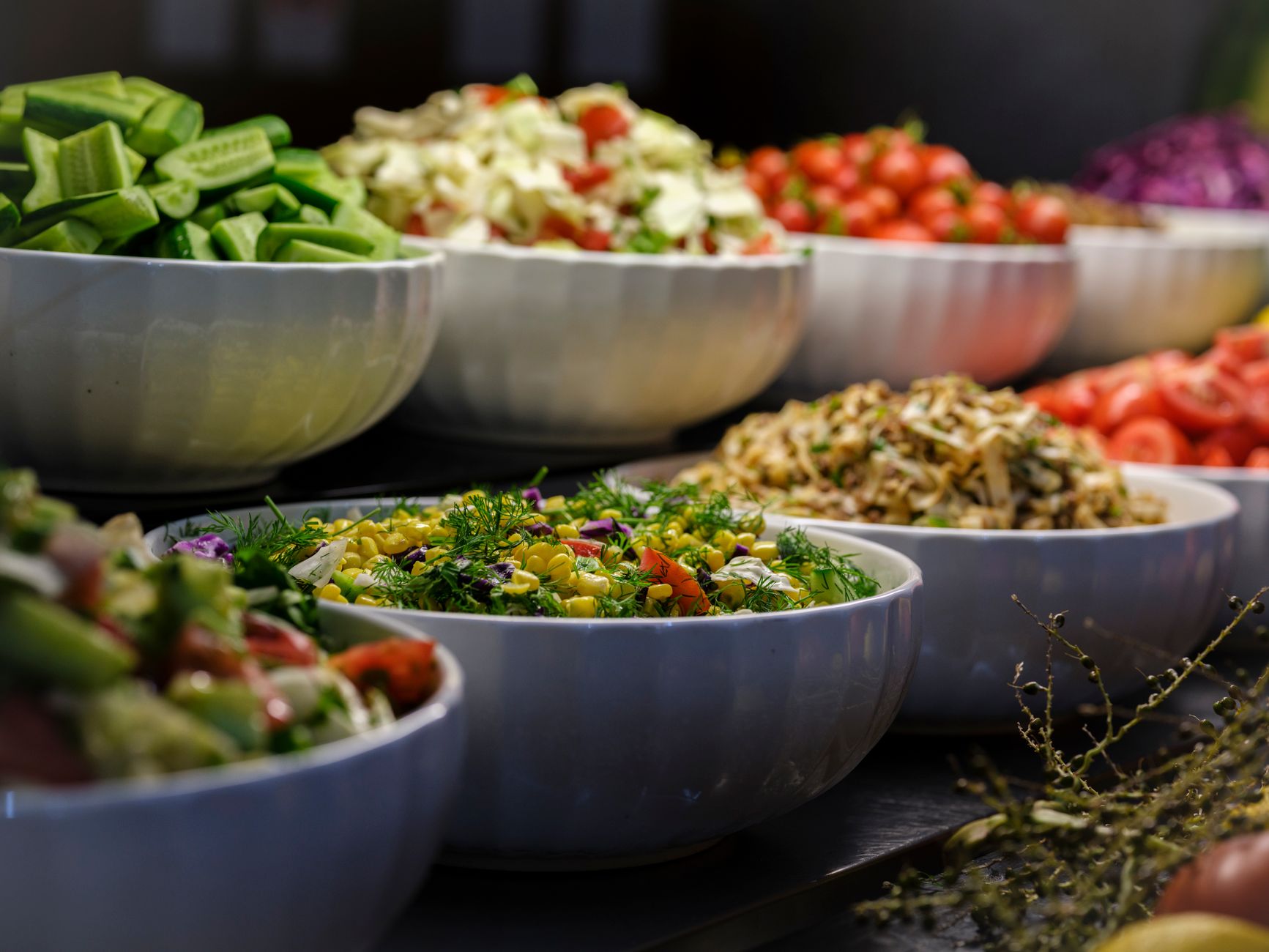
Volume eating is a dietary strategy focused on consuming foods that are lower in calories but high in volume, often emphasizing the inclusion of fruits, vegetables, and high-water content foods. It promotes satiety by allowing individuals to eat larger portions without exceeding their calorie goals. This approach is particularly appealing for those looking to manage their weight while still enjoying satisfying meals.
By incorporating nutrient-dense, low-calorie foods into your diet, volume eating not only supports weight management but also encourages healthier eating habits. Let’s explore the ingredients, tastes, culinary uses, and methods of volume eating to help you understand how to effectively integrate this strategy into your daily meals.
What Is Volume Eating?
Volume eating is a method of eating that encourages the consumption of larger portions of foods that are low in calories but high in volume, such as fruits, vegetables, soups, and lean proteins. The idea is to fill your plate and your stomach while managing calorie intake, which can be beneficial for weight loss or maintaining a healthy weight.
This eating strategy takes advantage of the water and fiber content in certain foods, which help to create a feeling of fullness without adding excessive calories. As a result, volume eaters can enjoy more significant portions of food, which can prevent feelings of deprivation often associated with calorie-restricted diets.
Key Ingredients for Volume Eating
- Fruits: Watermelon, strawberries, oranges, and berries are great options because they are high in water content and fiber while being low in calories.
- Vegetables: Leafy greens like spinach and kale, cruciferous vegetables like broccoli and cauliflower, and starchy vegetables like zucchini and bell peppers are excellent for bulk without much caloric load.
- Soups and Broths: Clear soups or broth-based soups can be filling and hydrating. They also allow for a variety of flavors and added ingredients.
- Whole Grains: Foods like quinoa, brown rice, and bulgur can be filling while providing essential nutrients and fiber.
- Legumes: Beans, lentils, and chickpeas are high in protein and fiber, promoting fullness and satiety.
- Lean Proteins: Skinless poultry, fish, eggs, and tofu can help maintain muscle mass while promoting fullness during meals.
- Healthy Fats: While healthy fats are calorie-dense, using them in moderation can enhance flavor and satisfaction. Avocado, nuts, and seeds are good examples.
Flavor Profiles of Volume-Eating Ingredients
The ingredients used in volume eating offer a range of flavors, from the sweet and tart notes of fruits to the earthy and savory profiles of vegetables and legumes. By combining these ingredients thoughtfully, you can create dishes that are both satisfying and enjoyable to eat.
Fruits
Fruits like berries possess natural sweetness and can be used in various dishes, including smoothies, salads, and desserts. Citrus fruits provide a refreshing tang, while melons offer a hydrating quality.
Vegetables
Vegetables can be roasted, grilled, stir-fried, or consumed raw, showcasing a wide array of flavors. For example, roasted asparagus has an earthy sweetness, while raw bell peppers offer a crunchy, refreshing bite.
Lean Proteins
Proteins like grilled chicken or baked fish bring a savory and satisfying quality to meals without excessive calories. Spices and marinades can enhance the flavor without adding fats.
Culinary Uses of Volume Eating
Volume eating involves various cooking methods and presentation styles to maximize the enjoyment of meals. Here are a few ideas on how to utilize volume-eating ingredients:
Soups
Soups can serve as a foundational base for meals, allowing for high volumes of low-calorie ingredients. Consider making a vegetable soup with leafy greens, carrots, and lentils, spiced with herbs and seasonings. This option provides warmth and comfort while being filling.
Salads
Salads can be crafted with leafy greens as a base and topped with a rainbow of vegetables, fruits, seeds, and lean proteins. A base of spinach with cherry tomatoes, cucumbers, chickpeas, and avocado not only looks appealing but also delivers essential nutrients.
Stir-Fries
Stir-fries can be a quick and satisfying option, using a variety of vegetables and proteins combined with a flavorful sauce. They can be served over whole grains or alongside a portion of legumes to bulk up the meal.
Practical Steps for Volume Eating
Incorporating volume eating into your life doesn’t require extensive changes; here are practical steps to enhance your meals:
- Fill Half Your Plate with Vegetables: When planning meals, make sure half of your plate is filled with non-starchy vegetables. This simple habit will automatically lower your caloric intake while increasing fullness.
- Choose Low-Calorie Snacks: Opt for snacks with a high volume, such as popcorn, cucumber slices, or celery sticks with salsa or hummus. These choices will keep hunger at bay without empty calories.
- Make Great Use of Soups: Start meals with a broth-based soup which can enhance your meal’s quantity and help keep you satisfied without adding excessive calories.
- Experiment with Flavors: Use herbs, spices, and citrus zest to make meals more enjoyable. Unique flavors can keep meals interesting and satisfying.
- Make Substitutions: Swap higher-calorie ingredients for lower-calorie alternatives, such as using Greek yogurt instead of sour cream or cauliflower rice in place of traditional rice.
Volume Eating and Meal Planning
Effective meal planning can set you up for success with volume eating. Here are tips on how to plan your meals to maximize fullness:
Plan Your Meals
Prepare a weekly menu that includes meals focusing on volume eating principles. Start with a list of lower-calorie foods, then plan meals around them. Make sure to account for variety to keep meals interesting.
Batch Cooking
Prepare large quantities of soups, stews, or casseroles so you can easily portion them into meals for the week ahead. Meals packed with vegetables and proteins can be stored in the refrigerator or frozen for later use.
Incorporate Variety
Make an effort to rotate your fruits and vegetables to avoid monotony. Different colors and types of produce not only enhance flavors but also provide an array of vitamins and minerals.
Portion Control
When attempting volume eating, it’s essential to use appropriate-sized plates. Serving food on smaller plates encourages portion control and limits overconsumption.
Common Mistakes in Volume Eating
While volume eating can be a beneficial strategy, there are common pitfalls to beware of:
- Over-reliance on Processed Foods: Choosing packaged foods that claim to be low-calorie but are filled with preservatives can be detrimental. Always opt for whole foods when possible.
- Skipping Protein: A balance of protein, fats, and carbohydrates is essential for healthy eating. Neglecting protein can lead to increased hunger and cravings.
- Not Considering Quality: While focusing on quantity, the nutritional quality of foods shouldn’t be ignored. Incorporate nutrient-dense ingredients.
Volume Eating and Sustainability
Volume eating fits well with sustainable practices in the kitchen. By emphasizing seasonal fruits and vegetables, you are not only supporting local agriculture but also reducing your carbon footprint. There’s a focus on minimizing food waste, as using every part of vegetables, including stems and leaves, can contribute to volume-eating meals.
Storage and Reheating of Volume Eating Meals
Properly storing and reheating your meals will help maintain their flavor and texture:
- Storage: Store cooked meals in airtight containers to prevent spoilage. Label them with the date for tracking how long they’ve been stored.
- Freezing: Most soups and stews freeze well and can be easily reheated later for a quick and satisfying meal.
- Reheating: Reheat meals gradually in the microwave or on the stovetop to preserve texture, particularly for vegetables and proteins.
Conclusion
Volume eating is an effective way to manage your calorie intake while still enjoying satisfying meals. By focusing on nutrient-dense, low-calorie foods, such as fruits and vegetables, and utilizing clever culinary techniques, you can make every meal satisfying. Start integrating these principles into your daily meals, and you’ll find it easier to stay full while making healthier choices.
For more culinary inspiration, explore our recipes for chia pudding or a delicious cottage cheese mousse. Discover how you can create flavorful volume-eating meals that nourish both your body and spirit.