
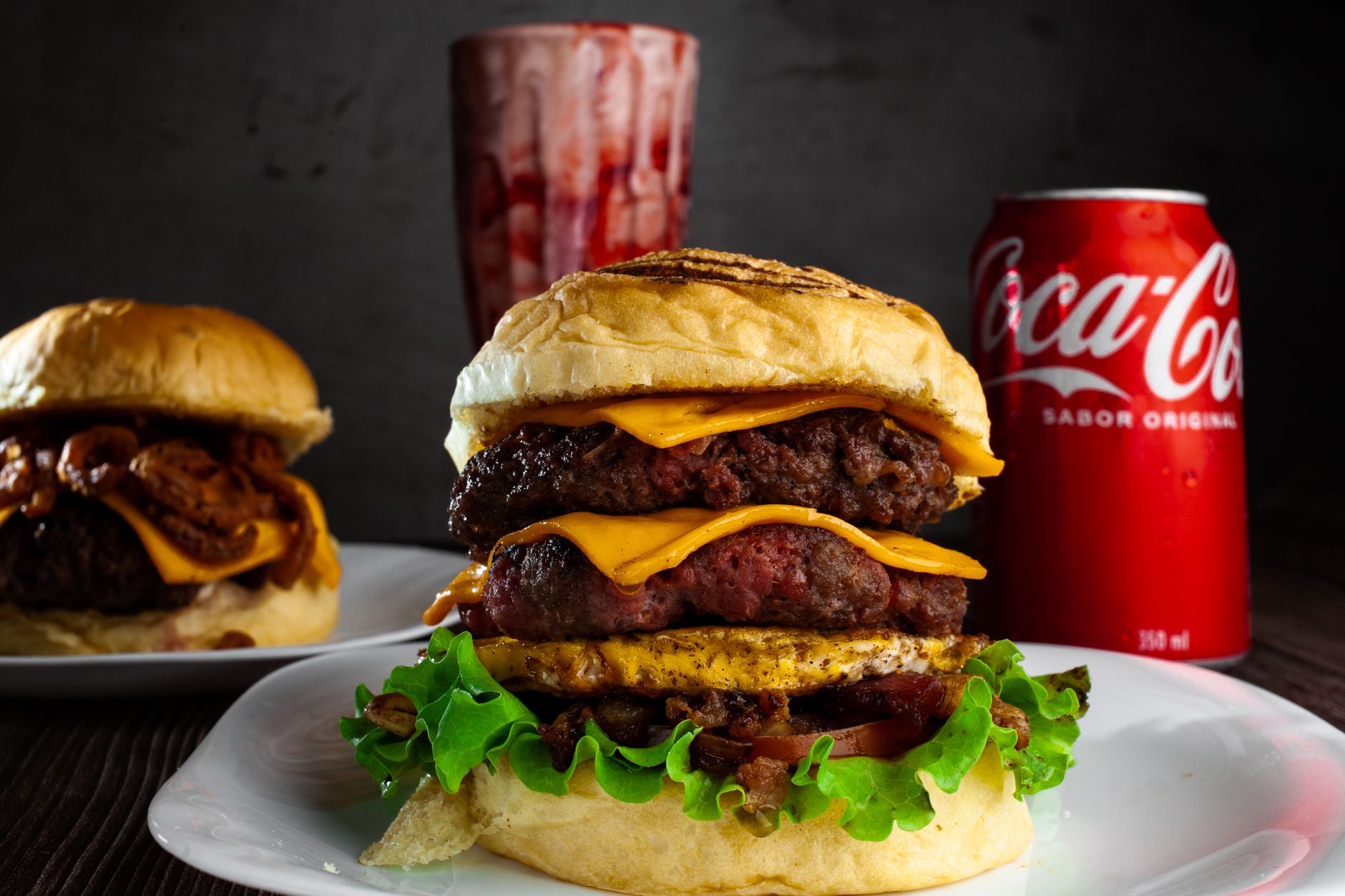
When biting into a juicy hamburger, the bun often plays a significant role in both flavor and texture. However, if you’re watching your carbohydrate intake, it’s essential to know how many carbs are in a hamburger bun. This article will provide a detailed breakdown of carbohydrates in various hamburger buns, along with tips for making healthier choices.
Understanding the carb content in hamburger buns can help you make informed decisions about your meals, whether you’re preparing a backyard barbecue or trying to stick to a specific diet plan. From traditional white buns to healthier whole grain options, we’ll explore the carbohydrate amounts by serving size and offer insights on substitutions.
How Many Carbs in Hamburger Bun?
The carbohydrate content in a standard hamburger bun typically ranges from 20 to 30 grams per bun. White hamburger buns tend to be on the higher end, while whole grain or low-carb varieties may be lower in carbohydrates. This range is important for anyone tracking their carb intake for dietary or health reasons.
To provide you with a clearer picture, let’s take a closer look at different types of hamburger buns and their carbohydrate content.
Carbohydrate Content by Type of Hamburger Bun
Here are the approximate carbohydrate values per serving (one bun) for various hamburger bun types:
| Bun Type | Carbs (g) |
|---|---|
| White Hamburger Bun | 24-30 |
| Whole Wheat Hamburger Bun | 22-25 |
| Whole Grain Hamburger Bun | 20-23 |
| Gluten-Free Hamburger Bun | 24-28 |
| Low-Carb Hamburger Bun | 4-10 |
| Portobello Mushroom Cap (as a bun substitute) | 2-3 |
White Hamburger Buns
White hamburger buns, the classic choice for burgers, typically contain about 24 to 30 grams of carbohydrates. Made from refined flour, they tend to be higher in simple sugars and lower in fiber, which can lead to quicker spikes in blood sugar levels.
Whole Wheat Hamburger Buns
Whole wheat hamburger buns are a popular choice for those seeking a healthier alternative. They contain around 22 to 25 grams of carbohydrates per bun. These buns are usually made from whole wheat flour, providing more nutrients and fiber compared to white buns, making them a better option.
Whole Grain Hamburger Buns
Whole grain hamburger buns offer an even healthier profile, with approximately 20 to 23 grams of carbohydrates per bun. They are made with whole grains, which retain more nutrients and fiber that help with digestion and overall health.
Gluten-Free Hamburger Buns
Gluten-free hamburger buns are for those with gluten sensitivities or celiac disease. These buns typically contain 24 to 28 grams of carbohydrates, depending on the ingredients used. Common alternatives to wheat include rice flour and almond flour, both of which vary in nutritional content.
Low-Carb Hamburger Buns
For low-carb dieters, low-carb hamburger buns present an alternative with significantly fewer carbohydrates, ranging from 4 to 10 grams per bun. Made from ingredients like almond flour or coconut flour, these buns can fit well into a ketogenic or low-carb diet.
Portobello Mushroom Caps as Bun Substitutes
For a completely carb-free option, you can use a large Portobello mushroom cap as a substitute for a hamburger bun. With only about 2 to 3 grams of carbohydrates, this option adds an earthy flavor to your burger while also being gluten-free and low in calories.
Understanding Carbohydrates
Carbohydrates are one of the three main macronutrients that provide energy for our bodies, along with protein and fats. They can be classified into two main categories: simple and complex carbohydrates.
Simple carbohydrates are sugars that are quickly absorbed by the body, leading to fast energy release but potentially causing quick spikes and drops in blood sugar levels. Complex carbohydrates, on the other hand, include fibers and starches that digest more slowly, providing a gradual release of energy.
Impact of Carbohydrates on Health
The carbohydrates in hamburger buns can affect your diet in several ways. Consuming high amounts of simple carbs can lead to weight gain and blood sugar issues. Conversely, opting for buns high in fiber can contribute positively to digestive health and provide sustained energy.
Making Better Choices When It Comes to Hamburger Buns
Now that you understand the carb content in various types of hamburger buns, you can make better choices for your meals. Here are some practical tips:
- Opt for Whole Grains: Choose whole grain or whole wheat buns over white buns when possible. The extra fiber aids in digestion and keeps you fuller for longer.
- Check the Ingredients: When shopping for buns, read the ingredient list. Look for buns with whole grain flour as the first ingredient and avoid excess sugars and additives.
- Try Low-Carb Options: If you’re following a low-carb diet, consider using low-carb bun options. You can often find these at grocery stores or consider making your own at home.
- Explore Substitutes: Experiment with alternatives like lettuce wraps or Portobello mushrooms to reduce carb intake altogether.
- Customize Your Buns: If you’re making your own buns, you can control the ingredients and adjust for lower carb content by using almond flour or coconut flour.
Homemade Hamburger Buns: A Healthier Alternative
Creating homemade hamburger buns allows for control over the ingredients, yielding a healthier product that can fit your dietary preferences. Here’s a simple recipe for whole grain hamburger buns.
Whole Grain Hamburger Bun Recipe
Yield:
Makes about 8 buns
Preparation Time:
30 minutes
Cooking Time:
15-20 minutes
Total Time:
Approx. 1 hour
Ingredients:
- 3 cups whole wheat flour
- 2 teaspoons instant yeast
- 1 teaspoon salt
- 1 tablespoon honey or maple syrup
- 1 cup warm water (about 110°F)
- 2 tablespoons olive oil (or vegetable oil)
Essential Equipment:
- Mixing bowl
- Measuring cups and spoons
- Baking sheet
- Parchment paper
- Kitchen towel
- Oven
Instructions:
- In a large mixing bowl, combine the whole wheat flour, instant yeast, and salt.
- In a separate bowl, mix together the warm water, honey, and olive oil until the honey dissolves.
- Gradually pour the wet ingredients into the dry ingredients, mixing until a dough forms.
- Knead the dough on a floured surface for about 5-7 minutes until smooth and elastic.
- Place the dough in a greased bowl, cover it with a kitchen towel, and let it rise in a warm place for about 30 minutes or until doubled in size.
- Preheat your oven to 375°F (190°C).
- Once risen, punch the dough down and divide it into 8 equal pieces. Shape each piece into a ball and place on a baking sheet lined with parchment paper.
- Cover the buns again and let them rise for an additional 15 minutes.
- Bake for 15-20 minutes or until golden brown on top. Let them cool before slicing.
Common Mistakes and Troubleshooting
When making hamburger buns at home, here are some common mistakes to avoid:
- Not Measuring Ingredients Accurately: Measuring flour inaccurately can lead to dense or dry buns. Always spoon flour into measuring cups and level off with a knife for accuracy.
- Ignoring Rising Time: Allowing dough to rise properly is crucial for fluffy buns. Don’t rush this process; patience is key.
- Overbaking: Keep an eye on buns as they bake. Remove them when golden brown to avoid dryness.
Storage and Reheating Hamburger Buns
For optimal freshness, store hamburger buns in an airtight container or a resealable plastic bag at room temperature. They can last for about 3-5 days. If you want to extend their shelf life, consider freezing them. To freeze, place the buns in a single layer in a freezer bag and store for up to three months.
To reheat, you can use an oven or toaster. If using an oven, preheat to 350°F (175°C), wrap the buns in foil, and warm for about 10 minutes. A toaster oven is also an excellent option for quick reheating.
Practical Applications and Conclusion
Choosing the right hamburger bun can make a significant impact on your meal’s nutritional value while ensuring you enjoy the burger experience. By understanding the carbohydrate content in different bun types, you can cater to your dietary needs or preferences without compromising on flavor.
Next time you plan a barbecue or a quick dinner at home, consider these options and tips to create the perfect burger with a bun that meets your dietary requirements. Making homemade buns not only adds a personal touch but also allows you to control what goes into your food, making healthier choices more accessible.
If you’re looking for more delicious options to elevate your meals, explore our recipes for kaiser rolls and pretzel buns. These recipes offer unique buns that can complement a variety of dishes!