
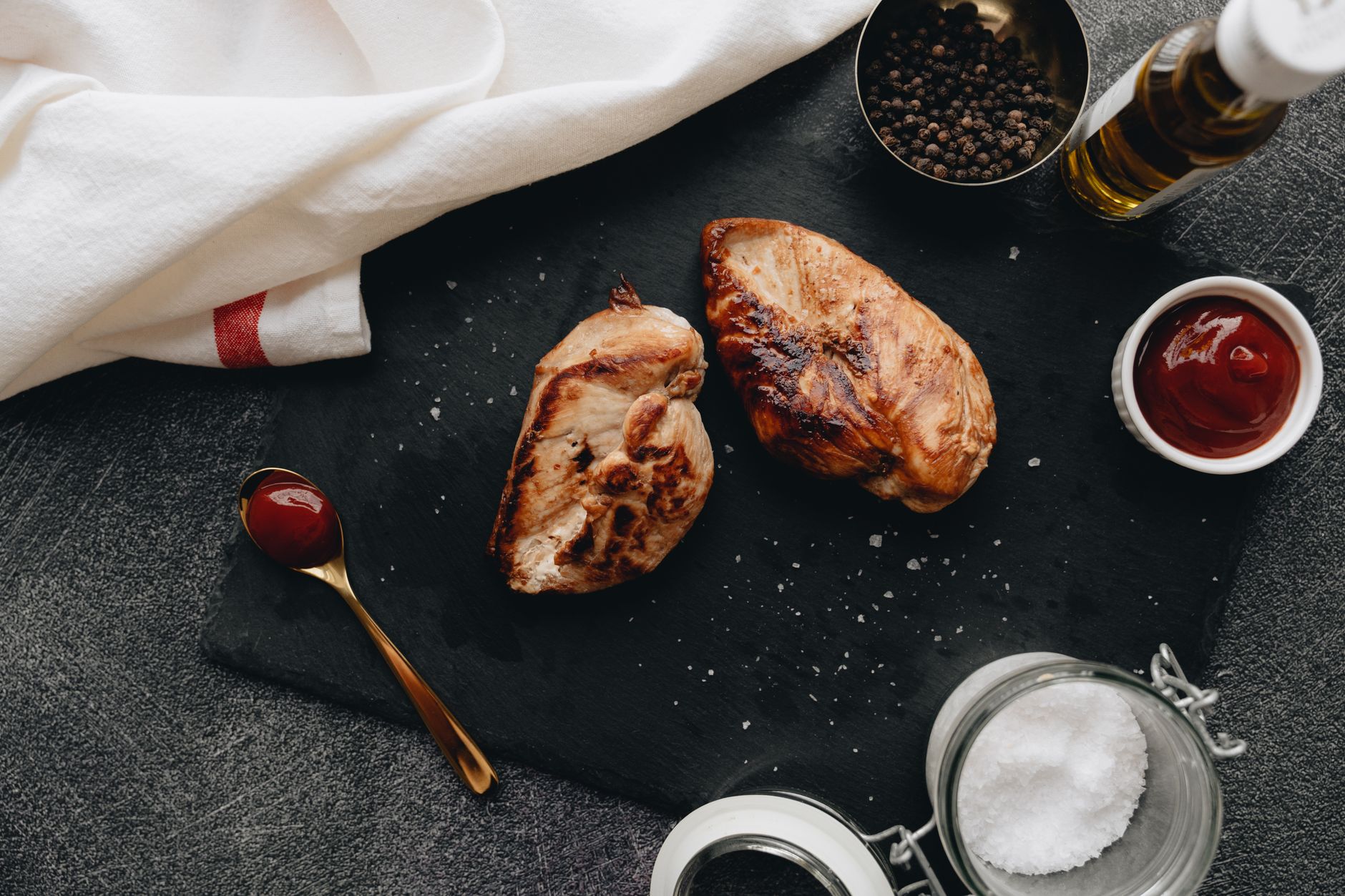
Understanding the appropriate cooking temperature for chicken is crucial for ensuring food safety and achieving optimal flavor and texture. Whether you’re grilling, baking, or frying, knowing when your chicken is done will help prevent undercooking or overcooking.
This guide will explain the recommended internal temperatures for various chicken parts, how to check for doneness accurately, and useful cooking techniques. Follow this information to cook chicken confidently and deliciously every time.
Cook Chicken to What Temp?
The safe internal cooking temperature for chicken is 165°F (75°C) as recommended by the USDA. This temperature ensures that harmful bacteria, like Salmonella and Campylobacter, are effectively killed, making the chicken safe to eat.
Beyond just safety, cooking chicken to the proper temperature impacts its juiciness and overall texture. Overcooking chicken can lead to a dry and stringy dish, while undercooked chicken can be unsafe. Thus, it’s beneficial to familiarize yourself with temperature guidelines for different chicken cuts.
Recommended Cooking Temperatures for Chicken Parts
Different parts of the chicken have varying ideal cooking temperatures. Here’s a breakdown:
- Whole Chicken: 165°F (75°C) at the thickest part of the breast or thigh.
- Chicken Breasts: 165°F (75°C), though cooking to about 160°F (71°C) allows for carryover cooking.
- Chicken Thighs: 175°F (80°C) for optimum tenderness and juiciness.
- Chicken Drumsticks: 175°F (80°C), which allows the meat to be tender.
- Chicken Wings: 165°F (75°C); generally baked or fried until crispy.
Using a Meat Thermometer
The best way to ensure chicken is cooked to the correct temperature is by using a meat thermometer. Here’s how to use it properly:
- Insert the probe into the thickest part of the chicken without touching bone.
- Wait a few seconds until the temperature stabilizes.
- Read the temperature. If it’s at least 165°F (75°C), it’s safe to eat. If not, return it to the heat and check again in a few minutes.
Visual and Texture Cues for Doneness
While a meat thermometer is the most reliable method, there are other indicators you can observe to check chicken doneness.
Color Changes
Cooked chicken should be white or light brown on the outside, with clear juices running from the meat. Pinkness in the meat, especially at the bone, can indicate it’s undercooked.
Touch Test
Another way to assess doneness is by using the touch test. Press on the chicken with your finger; cooked chicken should feel firm and spring back, whereas raw or undercooked chicken will feel soft and jiggly.
Cooking Techniques for Chicken
Whatever method you choose for cooking chicken, always remember to monitor the internal temperature closely. Below are some popular cooking techniques and tips:
Grilling
Grilling chicken adds a lovely smoky flavor. When grilling:
- Set your grill to medium heat.
- Place seasoned chicken on the grill. Cook for about 6-8 minutes per side for breasts, and 10-12 minutes per side for thighs, checking the internal temperature halfway through.
Baking
Baking is an effective method to keep chicken moist. For baking:
- Preheat your oven to 375°F (190°C).
- Season the chicken and place it in a baking dish, covered or uncovered.
- Bake for 25-30 minutes for breasts and 40-50 minutes for whole chickens, checking regularly.
Sautéing
Sautéing chicken can result in a crisp exterior. To sauté:
- Heat oil in a skillet over medium-high heat.
- Add seasoned chicken and cook for about 5-7 minutes per side until it reaches the desired temperature.
Slow Cooking
This method is great for flavor and tenderness. Here’s how to slow cook chicken:
- Place chicken and desired seasonings in a slow cooker.
- Cook on low for 6-7 hours or high for 3-4 hours.
- Always check that the internal temperature reaches 165°F (75°C).
Common Mistakes When Cooking Chicken
Even seasoned cooks sometimes make errors in chicken preparation. Here are some common mistakes to avoid:
- Not using a thermometer: Relying solely on visual cues or cooking times can lead to undercooked meat.
- Cooking chicken straight from the fridge: Let it sit at room temperature for about 30 minutes before cooking for more even results.
- Overcrowding the pan: This can lead to steaming rather than searing, which affects flavor.
How to Flavor Chicken
Chicken is a versatile protein that goes well with many flavors. Here are some common marinades and rubs:
Simple Marinade
Mix olive oil, lemon juice, garlic, and herbs for a classic flavor.
Spicy Marinade
For those who enjoy some heat, mix hot sauce, brown sugar, and soy sauce.
Herb Rub
A mixture of rosemary, thyme, and garlic powder can create a delightful herb-infused crust when rubbed on the chicken skin before cooking.
Storage and Reheating of Cooked Chicken
Proper storage keeps cooked chicken safe and delicious. Follow these guidelines:
Storing
Cooked chicken can be stored in the refrigerator for up to 3-4 days in an airtight container. For longer storage, freeze it in portioned containers, where it can last for 2-6 months.
Reheating
When reheating chicken, ensure it reaches at least 165°F (75°C) to eliminate any harmful bacteria. Use an oven or microwave to gently warm it up and retain moisture.
Final Thoughts
Cooking chicken to the proper temperature is essential for flavor and safety. With the right techniques and tools, you can create delicious, juicy chicken dishes. Remember to use a meat thermometer for accuracy, experiment with different cooking methods, and store leftovers properly.
With this comprehensive knowledge, you’re equipped to cook chicken perfectly every time. For more cooking tips, check out articles on how long cooked chicken lasts and how long cooked ground beef is good in the fridge.