
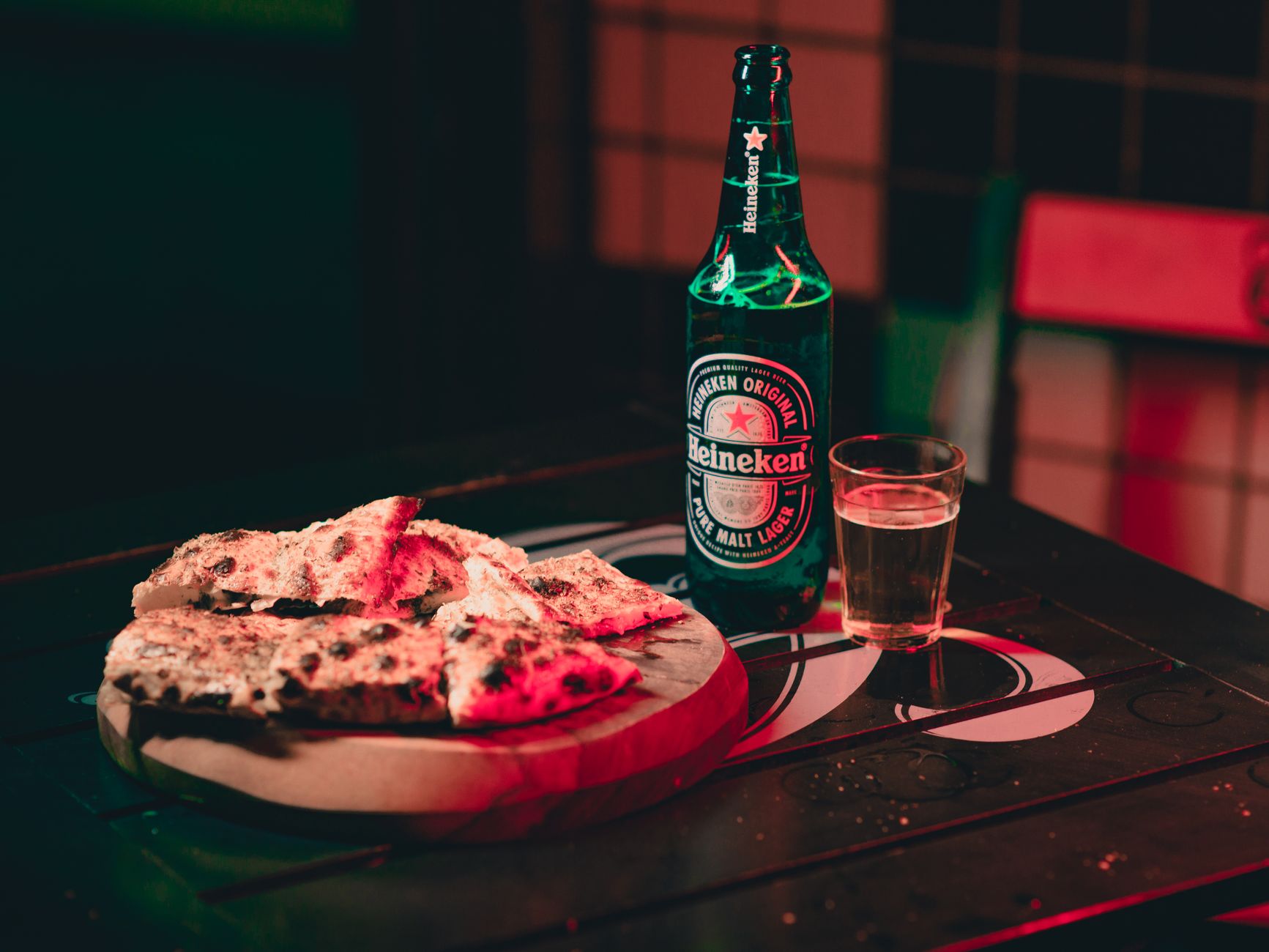
When it comes to enjoying a cold beer without derailing a low-carb diet, many enthusiasts seek options that maintain flavor while minimizing carbohydrates. Beer, traditionally made from grains, can contain significant carbohydrate levels, which are often a concern for those monitoring their intake, whether for dietary reasons or personal preferences.
The good news is that there are various low-carb beer options available today. In this article, we’ll delve into which beers have the lowest carbohydrate content, highlighting specific brands, their serving sizes, and practical considerations for enjoying your beer without guilt.
What Beer Has the Lowest Carbs?
The beers with the lowest carbs are often labeled as “light” or “low-carb” beers, which typically contain between 2 to 5 grams of carbohydrates per serving. Some popular choices that maintain a balance of flavor and low carbohydrate content include Michelob Ultra, Budweiser Select 55, and Miller Lite.
Understanding Carbohydrates in Beer
Carbohydrates in beer come primarily from the grains used during the brewing process. They contribute not only to the calorie count but also to the body and mouthfeel of the beer. Understanding how carbs work can help you make informed choices.
Types of Carbohydrates in Beer
There are two main types of carbohydrates in beer: simple and complex carbohydrates. Simple carbohydrates are sugars that can lead to higher calorie counts, while complex carbohydrates may come from malt and grains. Low-carb beers are specifically formulated to reduce these carbohydrate categories while keeping a satisfying taste.
Low-Carb Beer Characteristics
Low-carb beers usually have a lighter body, a more crisp taste, and a lower alcohol by volume (ABV) content. These characteristics make them refreshing choices, particularly in warmer weather or during social events.
List of Low-Carb Beers by Serving Size
Here is a detailed comparison of various low-carb beers, including the amount of carbohydrates they contain per 12-ounce serving. This will help you choose the best option for your preferences.
| Beer Brand | Type | Carbs (grams per 12 oz) | Alcohol by Volume (ABV) |
|---|---|---|---|
| Michelob Ultra | Light Lager | 2.6 | 4.2% |
| Budweiser Select 55 | Light Lager | 1.9 | 2.4% |
| Miller Lite | Light Lager | 3.2 | 4.2% |
| Coors Light | Light Lager | 5 | 4.2% |
| Bud Light | Light Lager | 6.6 | 4.2% |
| Amstel Light | Pale Lager | 5 | 5% |
| Beck’s Premier Light | Pale Lager | 3.2 | 2.3% |
| Natural Light | Light Lager | 3.2 | 4.2% |
Making the Right Choice
Selecting a low-carb beer largely depends on your personal taste preferences and the context in which you’re enjoying your drink. Here are some considerations to help guide your decision-making:
- Flavor Profile: Since taste can vary widely among different beers, sample a few types to discover which ones please your palate.
- Occasion: Certain settings, such as sporting events or backyard barbecues, may warrant different choices. Light beers are often more refreshing for these casual gatherings.
- Alcohol Content: Pay attention to the ABV, especially if you plan to consume multiple servings. While light beers have lower carbs, their alcohol content also varies.
Practical Tips for Enjoying Low-Carb Beer
To maximize your enjoyment of low-carb beer while maintaining your dietary goals, follow these tips:
Choose Wisely
When you go out, check menus for low-carb options, or ask your server for recommendations. Many bars now carry a range of light beers suited for those watching their carbs.
Mind the Serving Size
Standard serving sizes can vary; be sure you are aware of how many ounces you’re consuming to accurately measure your carb intake. A 12-ounce serving is common but may differ from craft breweries.
Pairing with Food
Some foods can complement your low-carb beer choices. Opt for lower-carb foods such as grilled meats, salads without heavy dressings, or cheeses to balance your meal. This allows you to indulge while keeping carbs at bay.
Stay Hydrated
Beer can be dehydrating. Ensure you drink water alongside your low-carb beer choices to help mitigate any effects from alcohol consumption.
Exploring Alternatives to Beer
If you find that beer isn’t your preferred low-carb beverage, there are plenty of alternatives. Options like hard seltzers, which are often lower in carbs, can provide a refreshing alternative with a similar social vibe.
Low-Carb Hard Seltzers
Hard seltzers have gained popularity and often have low carbonation and calorie counts, making them an appealing choice. Here are some options to consider:
| Seltzer Brand | Carbs (grams per 12 oz) | Alcohol by Volume (ABV) |
|---|---|---|
| Truly Hard Seltzer | 2 | 5% |
| White Claw | 2 | 5% |
| Bon & Viv | 0 | 4.5% |
Common Mistakes to Avoid
When navigating low-carb beer options, there are several missteps to watch for:
- Ignoring Labels: Some “light” beers can still have unexpected carbohydrate contents. Always check labels for accurate carb counts.
- Overindulgence: Consuming multiple servings can quickly add up on the carb front, even with low-carb options. Moderation is key.
- Assuming All Brews are Equal: Craft beers might boast additional flavors but often carry higher carb counts. Know your options and choose accordingly.
Summary of Your Options
Low-carb beer options abound, offering a satisfying way to enjoy a drink without straying from your dietary goals. Selecting the appropriate beer based on carbohydrate content, flavor profile, and personal preference can enhance your overall experience.
Exploring Your Beverage Choices
As you venture into the world of low-carb beers, don’t forget about other delightful beverages. Something like sparkling water with a splash of fruit or refreshing iced tea can also provide variety without the calories. For an alternative take, visit our guide on Bud Light to understand more about light beers.
Explore how diets interact with different food types in our section about carbohydrates in eggs to better plan your meals. Enhancing your knowledge about carbohydrates can further assist in making informed dietary choices.