
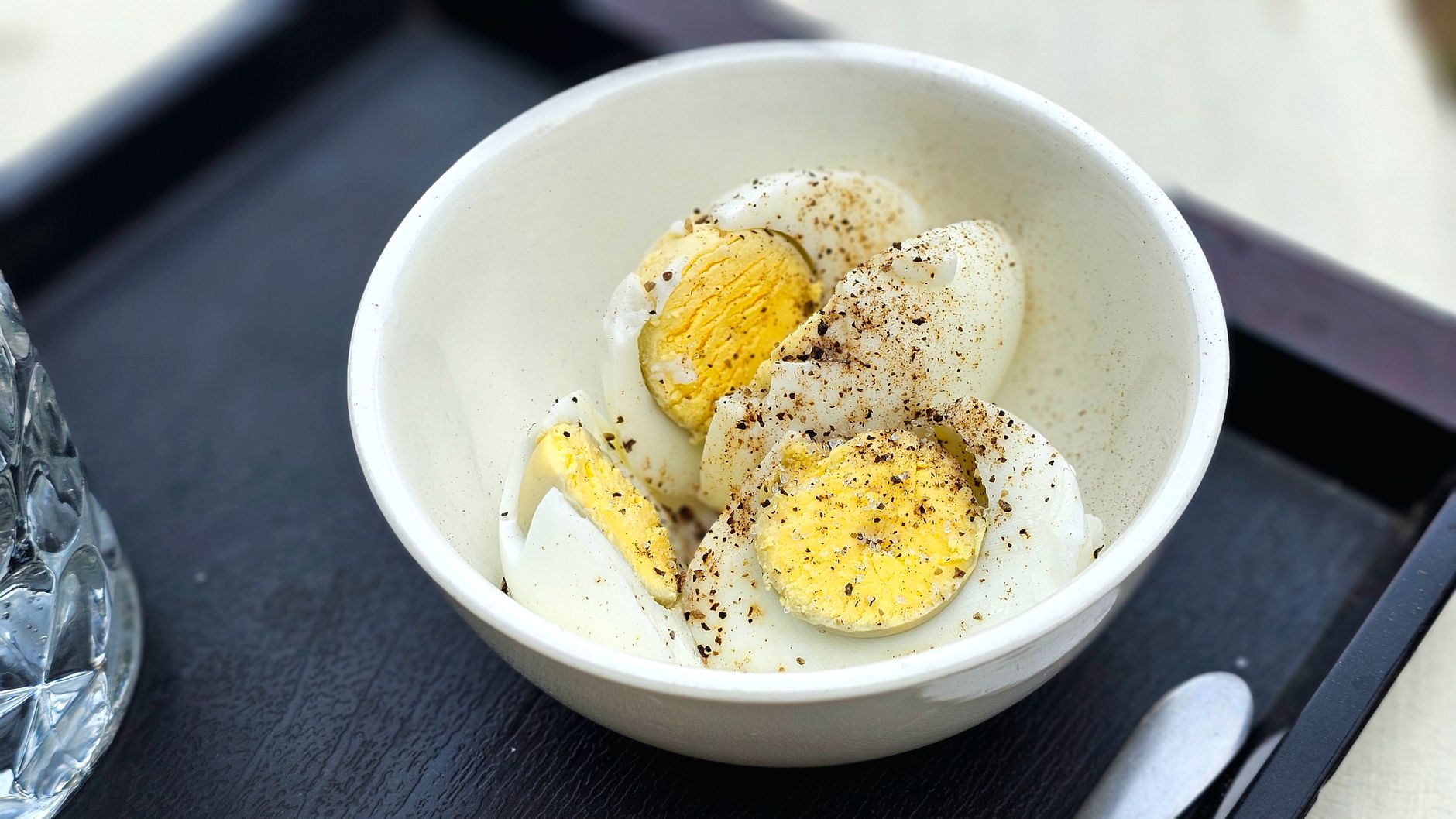
Eggs have long been celebrated as a staple in many diets around the world. A key reason for their popularity is their protein content, making them an excellent choice for breakfast, lunch, or dinner. In this article, we will explore how much protein is in an egg, the nutritional benefits of eggs, and tips for incorporating them into your meals.
This guide will cover the protein content in both whole eggs and egg whites, the differences in nutrition between them, and practical ways to use eggs in various recipes. Whether you are an athlete looking to build muscle or someone simply aiming for a nutritious diet, understanding the role of eggs can help you make informed food choices.
How Much Protein In An Egg?
A large egg typically contains about 6.5 to 7 grams of protein, depending on its size. Out of this, approximately 3 grams are found in the yolk and about 4 grams in the egg white. This makes eggs an excellent source of high-quality protein, as they contain all the essential amino acids needed by the body.
The Nutritional Breakdown of Eggs
Beyond protein, eggs are nutrient-dense and provide various vitamins and minerals essential for health. Here’s a simple breakdown of key nutritional components found in a large egg:
- Protein: 6.5 to 7 grams
- Calories: 70 to 80
- Fats: 5 grams (including 1.5 grams of saturated fat)
- Cholesterol: 186 mg
- Carbohydrates: Less than 1 gram
- Vitamin D: 10% of the Daily Value (DV)
- Vitamin B12: 20% of the DV
- Riboflavin: 15% of the DV
- Selenium: 22% of the DV
Eggs are a particularly good source of choline, which is important for brain health and development. They also contain antioxidants like lutein and zeaxanthin, which are known to support eye health.
Whole Eggs vs. Egg Whites: Which is Better?
While whole eggs offer a complete nutritional profile, many people opt for egg whites, particularly in low-fat diets. Egg whites contain only protein and minimal calories but lack the healthy fats and vitamins found in the yolk.
Protein Content Comparison
| Type | Protein (grams) | Calories |
|---|---|---|
| Whole Egg | 6.5 – 7 | 70 – 80 |
| Egg White | 3.5 – 4 | 15 – 20 |
Choosing between whole eggs and egg whites largely depends on your dietary goals. If you aim for higher protein without additional calories and fat, egg whites may be the better option. However, if you seek a fuller range of nutrients, whole eggs are unbeatable.
Incorporating Eggs Into Your Meals
Eggs offer incredible versatility in the kitchen and can be included in numerous dishes throughout the day. Here are some practical ways to incorporate eggs into your meals:
Breakfast Ideas
- Scrambled Eggs: A classic choice, scrambled eggs are quick to prepare. Add veggies, cheese, or herbs for extra flavor.
- Omelettes: Packed with potential, omelettes can be filled with various ingredients like spinach, bell peppers, and meats.
- Egg Muffins: Bake beaten eggs with vegetables and cheese in muffin tins for a grab-and-go breakfast option.
Lunch Options
- Egg Salad: Mix chopped boiled eggs with mayonnaise, mustard, and seasonings for a delicious sandwich filling.
- Hard-Boiled Eggs: Quick and portable, hard-boiled eggs make a great snack or salad topping.
Dinner Dishes
- Shakshuka: A Middle Eastern dish featuring poached eggs in a spicy tomato sauce. Serve it with crusty bread for a satisfying meal.
- Fried Rice with Eggs: Stir-fry leftover rice with veggies and a couple of beaten eggs for a filling and nutritious dinner.
Snack Ideas
- Deviled Eggs: A delightful snack or appetizer prepared by mixing yolks with mayonnaise, mustard, and spices.
- Egg and Avocado Toast: Spread mashed avocado on whole-grain toast, topped with a poached egg for a nutritious snack.
Cooking Techniques for Perfect Eggs
Different cooking methods can affect the taste and texture of eggs. Here are some popular techniques along with tips:
Boiling
- Place eggs in a single layer in a saucepan and cover them with water.
- Bring water to a boil, then cover and remove from heat.
- Let them sit for 9-12 minutes, depending on how firm you want the yolks.
- Transfer eggs to an ice bath to stop the cooking process.
Scrambling
- In a bowl, whisk eggs thoroughly with salt and pepper.
- Heat butter or oil in a nonstick skillet over medium-low heat.
- Add eggs and gently stir with a spatula until they are just set.
Poaching
- Fill a pot with water and bring it to a gentle simmer.
- Add a splash of vinegar (optional) to help the eggs hold their shape.
- Crack an egg into a small cup, then gently slide it into the water.
- Cook for 3-4 minutes until the whites are set and the yolk is still runny.
Frying
- Heat a nonstick skillet over medium heat and add oil or butter.
- Crack an egg into the pan and cook for 2-4 minutes until the white is fully set but the yolk is still runny.
Common Mistakes When Cooking Eggs
With all of their cooking versatility, it’s easy to make mistakes when preparing eggs. Here are some common errors to avoid:
- Overcooking: This leads to rubbery texture and grayish-green yolks in boiled eggs.
- Using too much heat: High temperatures can make eggs tough and dry.
- Not seasoning: Salt enhances flavor, so don’t forget to season your eggs!
Storage Tips for Eggs
Proper storage of eggs is crucial for safety and maintaining quality. Here are some guidelines:
- Store eggs in their original carton in the refrigerator to prevent odor absorption and maintain freshness.
- Hard-boiled eggs can be stored in the refrigerator for up to one week.
- Ensure raw eggs are used within 3-5 weeks of purchase for optimal safety.
How Many Eggs Should You Eat?
The number of eggs you should consume daily can vary based on your dietary needs, activity level, and overall health. For most people, enjoying 1 to 3 whole eggs per day is considered safe and healthy. However, consulting with a healthcare provider may be beneficial, especially if you have specific cholesterol concerns.
Egg Substitutions for Special Diets
If you cannot enjoy eggs due to allergies or dietary preferences, several substitutes can replicate their binding or leavening properties in recipes:
- Flaxseed Meal: Mix 1 tablespoon of flaxseed meal with 3 tablespoons of water and let it sit for 5 minutes.
- Chia Seeds: Similar to flaxseeds, 1 tablespoon of chia seeds combined with 3 tablespoons of water works well.
- Applesauce: Use 1/4 cup of unsweetened applesauce for each egg in baking recipes.
Final Thoughts
Eggs are a nutritious and affordable source of protein, which can easily be incorporated into a wide range of meals. Understanding how much protein is in an egg and how to store and cook them effectively can enhance your culinary skills and improve your diet. With their delicious versatility, eggs remain a favorite among food lovers worldwide.
Explore more about eggs and related topics with our articles on calories in scrambled eggs and how long you can keep eggs in the refrigerator.