
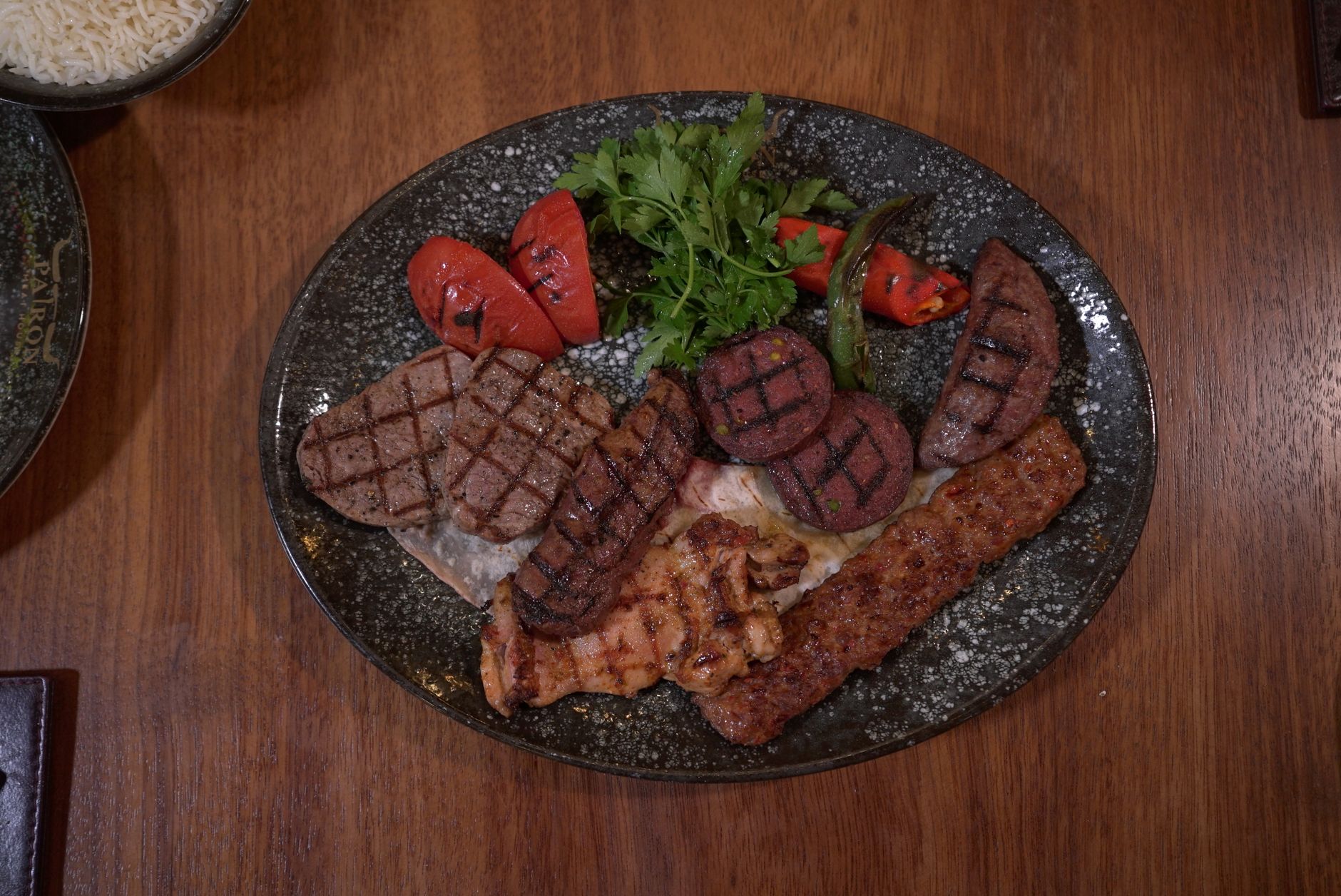
As we move into 2024, many home cooks wonder about the value of grilling. Is it worth the investment in time and resources, especially with so many cooking methods available? The answer lies in understanding the advantages grilling offers and how to maximize your experience for delicious meals.
From the smoky flavors of grilled meats to the perfect char on vegetables, grilling has a unique appeal. This article will explore whether investing in a grill is worth it in 2024, equipping you with tips on preparation, timing, and serving to enhance your outdoor cooking adventures.
Is Grill Worth It 2024?
Grilling remains a beloved cooking method for many, providing unique flavors and textures to a wide range of dishes. In 2024, investing in a quality grill can offer convenience, versatility, and a great outdoor cooking experience that is hard to replicate by other means. It is especially worthwhile if you often host gatherings or seek healthier meal options.
Benefits of Grilling
Grilling offers several benefits that make it a tempting option for home cooks. Understanding these advantages can help you decide if a grill is a worthy addition to your kitchen tools.
- Flavor: Grilling creates a distinctive smoky flavor that enhances the taste of proteins and vegetables.
- Healthier Cooking: Grilling allows fat to drip away from food, often resulting in lower-calorie meals.
- Versatility: Grills can be used for more than just meats; you can grill vegetables, fruits, and even pizzas.
- Social Experience: Grilling encourages outdoor cooking and creates a social atmosphere, perfect for gatherings and parties.
- Speed: Grilling often cooks food faster than traditional ovens or stovetops, making it efficient for busy home cooks.
Types of Grills and Their Features
Choosing the right grill can significantly impact your grilling experience. Here’s an overview of common types of grills available in 2024:
Gas Grills
Gas grills are popular for their convenience and quick start-up times. They allow for precise temperature control and are ideal for cooking various foods, particularly meats.
Charcoal Grills
Charcoal grills provide a classic grilling experience with a smoky flavor. They require more time and effort to set up and maintain heat, but many enthusiasts prefer their taste.
Electric Grills
For those with limited outdoor space, electric grills present a practical solution. They are easy to use, heat quickly, and can be used indoors or on balconies.
Pellet Grills
Combining features of gas and charcoal, pellet grills use wood pellets to create both smoke and heat. They offer a great flavor profile and are often equipped with digital controls for easy cooking.
What to Look for When Buying a Grill
If you decide to invest in a grill this year, consider the following factors to ensure you’re making an informed decision:
- Size: Choose a grill size that fits your cooking needs and available outdoor space. More grill surface area allows for multi-zone cooking.
- Material: Look for durable, high-quality materials such as stainless steel to enhance longevity.
- Heat Output: Check the BTU (British Thermal Units) rating to gauge cooking power, especially for gas grills.
- Features: Consider additional features like side burners, rotisserie kits, and smart technology for enhanced cooking experiences.
- Portability: If you plan to move the grill often or want to take it to picnics, look for lightweight and portable options.
Essential Equipment for Successful Grilling
Beyond the grill itself, having a few key tools can elevate your grilling game:
- Grill Thermometer: A reliable thermometer helps ensure that meats are cooked to the right internal temperature.
- Spatula and Tongs: Long-handled utensils allow you to flip and move food without getting burned.
- Grill Brush: A good grill brush helps keep the grates clean, ensuring optimal performance and flavor.
- Aluminum Foil: Foil can be used to wrap food, prevent sticking, and manage more delicate items like fish or veggies.
- Marinade Injectors: These tools help infuse meats with flavor and moisture, enhancing taste and juiciness.
Preparation Tips for Grilling
Preparing your ingredients correctly sets the stage for a successful grilling experience. Here are essential preparation tips:
- Marinating: Marinades not only add flavor but also tenderize meats. Let proteins soak for at least one hour before grilling.
- Room Temperature: Let meat rest at room temperature for about 30 minutes prior to grilling to ensure even cooking.
- Seasoning: Season generously with salt, pepper, and any other spices you enjoy to enhance natural flavors.
- Preheat Your Grill: Ensure your grill is preheated to the desired temperature to achieve the perfect sear and cook.
Timing is Everything
The timing of grilling can ensure that meats are cooked to perfection and vegetables char nicely. Follow these general guidelines for various foods:
Meats
- Steaks: Grill for 4-5 minutes per side for medium-rare, depending on thickness.
- Chicken Breasts: Cook for about 6-8 minutes per side, ensuring the internal temperature reaches 165°F (75°C).
- Pork Chops: Grill for 4-5 minutes on each side until they reach an internal temperature of 145°F (63°C).
Vegetables
- Bell Peppers: Grill for 4-5 minutes per side until tender.
- Zucchini: Cook for about 3-4 minutes per side until grill marks form.
- Corn on the Cob: Grilling corn can take around 10-15 minutes, turning every couple of minutes for even cooking.
Common Mistakes to Avoid While Grilling
To make the most of your grilling experience, steer clear of these common pitfalls:
- Not Preheating: Failing to preheat can result in sticking and uneven cooking.
- Too Much Flipping: Avoid flipping your food too frequently, as it prevents proper browning.
- Using the Wrong Tools: Ensure you have the right tools on hand to avoid burns and mishaps.
- Skipping the Rest: Allow grilled meats to rest for a few minutes after cooking to retain moisture.
Finishing Touches: Serving Your Grilled Dishes
Presentation can enhance the enjoyment of your grilled food. Here are some serving suggestions to consider:
- Garnishes: Fresh herbs like parsley or cilantro can add a beautiful touch and elevate flavors.
- Sauces: Offer a variety of sauces such as barbecue, chimichurri, or aioli for added flavor options.
- Hot Side Dishes: Serve grilled items along with sides like grilled corn, coleslaw, or roasted potatoes.
- Pairs Well: Consider pairing grilled foods with fresh salads or cold beverages like lemonade or beer.
Make-Ahead Tips for Grilled Meals
Grilling doesn’t have to be a last-minute activity. With proper planning, you can streamline the process:
- Prep Marinades: Make marinades a day in advance. They often taste better the longer they sit.
- Chop Vegetables: Prep and marinate vegetables hours ahead, storing them in the refrigerator before grilling.
- Freeze Meats: If you have prepared meats, consider freezing them in marinades for quick meals later.
Storage and Reheating Grilled Leftovers
Proper storage of grilled leftovers can minimize waste and make for easy future meals:
- Storage Guidelines: Cool leftovers to room temperature before transferring to airtight containers.
- Refrigeration: Refrigerated grilled meats can last about 3-4 days.
- Reheating: Reheat on low heat either in a skillet or indirectly on the grill to maintain moisture without overcooking.
Conclusion
In 2024, investing in a grill can be a rewarding decision that opens up a world of cooking possibilities. The unique flavors, social interactions, and healthier options may be well worth the cost and effort if approached with care. With a bit of preparation, knowledge of timing, and attention to detail, grilling can become a cherished cooking method for you and your loved ones.
For delicious grilled recipes and tips, check out our Beer Can Chicken Recipe and Smoked Beef Ribs Recipe for your next grilling adventure!