
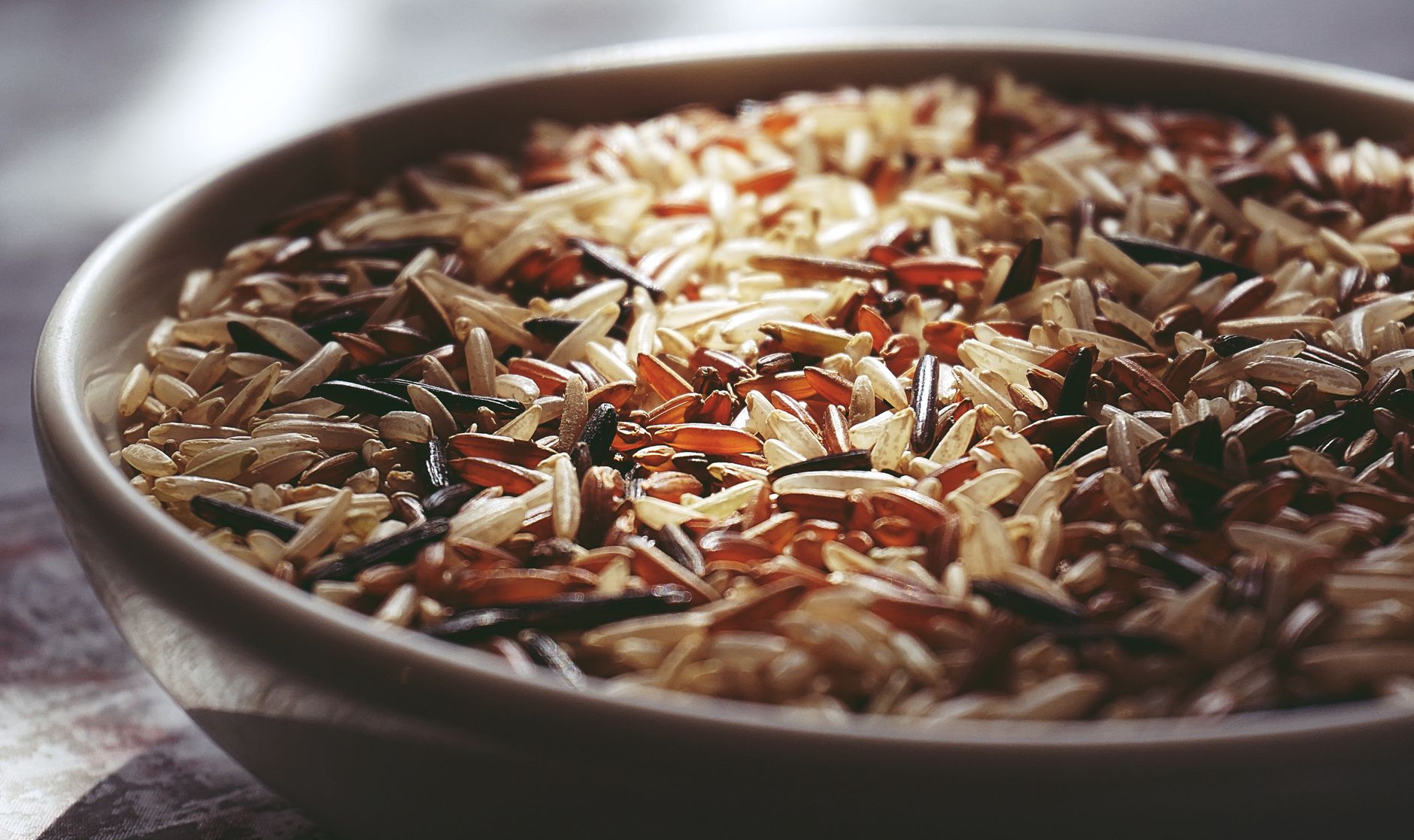
Wild rice is a unique grain that many people enjoy for its earthy flavor and nutritional benefits. If you’re following a low FODMAP diet, you may be wondering if wild rice is a suitable option. This article explores the nutritional profile of wild rice, its FODMAP content, portion sizes, and creative meal ideas incorporating this versatile ingredient.
The low FODMAP diet, designed to help manage symptoms of irritable bowel syndrome (IBS) and other digestive issues, categorizes foods based on their fermentable carbohydrates. Knowing which foods are low or high in these carbohydrates is essential in meal planning. Let’s dive into the specifics of wild rice.
Is Wild Rice Low FODMAP?
Yes, wild rice is considered low FODMAP in moderate serving sizes. According to Monash University, a leading authority on the low FODMAP diet, a typical serving size of 1 cup (about 190 grams) is low in FODMAPs, making it a suitable option for those adhering to this dietary plan.
Nutritional Profile of Wild Rice
Before incorporating wild rice into your diet, it’s helpful to understand its nutritional benefits. Wild rice is technically a grass, not a true rice, and it has a host of advantages:
- High in Nutrients: Wild rice is packed with vitamins and minerals, including magnesium, zinc, phosphorus, and B vitamins.
- Good Source of Protein: Compared to other grains, wild rice contains a higher protein content, making it beneficial for a balanced diet.
- Rich in Antioxidants: Wild rice contains antioxidants that help with inflammation and protect cells from damage.
- Dietary Fiber: This grain is a great source of fiber, aiding in digestion and promoting satiety.
Caloric Content
A one-cup cooked serving of wild rice contains approximately 160 calories. This makes it a relatively low-calorie option for those looking to manage their weight while still enjoying nutritious meals.
Portion Control on a Low FODMAP Diet
Understanding portion sizes is crucial when it comes to following a low FODMAP diet. Although wild rice is low in FODMAPs at 1 cup serving, being mindful of how much you consume can help prevent any digestive discomfort.
Here are some portion guidelines:
- 1/2 Cup Cooked Wild Rice: Allows for nearly any dietary considerations and can be combined with other low FODMAP ingredients in salads or bowls.
- 1 Cup Cooked Wild Rice: You can enjoy as part of a main dish; however, pairing it wisely is key.
- Above 1 Cup: Larger servings can lead to a higher fiber intake, which might trigger symptoms in sensitive individuals.
Meal Ideas Using Wild Rice
Incorporating wild rice into your meals can add flavor, texture, and nutrition. Here are a few delicious low FODMAP meal ideas:
1. Wild Rice Salad
This refreshing salad is perfect for a light lunch or a side dish at dinner.
- Ingredients:
- 1 cup cooked wild rice
- 1/2 cup diced bell peppers (red, yellow or green)
- 1/2 cup diced cucumber
- 1/4 cup chopped fresh parsley
- 2 tablespoons olive oil
- 2 tablespoons lemon juice
- Salt and pepper to taste
- In a large mixing bowl, combine the cooked wild rice, bell peppers, cucumber, and parsley.
- In a separate bowl, whisk together olive oil, lemon juice, salt, and pepper.
- Pour the dressing over the salad and toss gently to combine.
- Let it sit for a few minutes before serving to allow flavors to meld.
2. Wild Rice and Grilled Chicken Bowl
Pairing wild rice with grilled chicken creates a satisfying and wholesome meal.
- Ingredients:
- 1 cup cooked wild rice
- 1 grilled chicken breast, sliced
- 1/2 cups steamed broccoli
- 1/4 cup shredded carrots
- 2 tablespoons gluten-free soy sauce
- Place the cooked wild rice in a bowl as a base.
- Top with sliced grilled chicken, steamed broccoli, and shredded carrots.
- Drizzle with gluten-free soy sauce before serving.
3. Wild Rice Soup
This hearty soup is comforting and can be made in large batches.
- Ingredients:
- 1 cup cooked wild rice
- 4 cups low-sodium vegetable broth
- 1 cup diced carrots
- 1 cup diced celery
- 1 teaspoon thyme
- Salt and pepper to taste
- In a large pot, combine vegetable broth, carrots, celery, thyme, salt, and pepper. Bring to a boil.
- Reduce the heat and add the cooked wild rice to the pot. Simmer for 15-20 minutes.
- Adjust seasoning before serving.
Practical Tips for Cooking Wild Rice
Cooking wild rice may seem daunting, but it’s quite simple with the right technique. Here are practical tips:
- Rinse the Rice: This helps remove any debris or contaminants and can improve the flavor.
- Water Ratio: Use a 3:1 water-to-rice ratio for optimal cooking. For 1 cup of wild rice, use 3 cups of water or broth.
- Cooking Time: Simmer wild rice for 45-60 minutes until the grains split open and are tender.
- Soaking: Soaking the rice for 4 hours before cooking can reduce the cooking time.
Common Mistakes and Troubleshooting
Even though cooking wild rice is straightforward, mistakes can happen. Here are some common pitfalls and how to avoid them:
- Overcooking: Too much cooking time can lead to mushy rice. Keep an eye on it and taste regularly.
- Not Distinguishing from Other Rices: Wild rice has a different cooking time compared to white or brown rice; be mindful of cooking instructions.
- Using Too Little Water: Wild rice needs sufficient moisture to cook properly. If the water absorbs too quickly, add more.
Storing and Reheating Wild Rice
Proper storage of cooked wild rice is essential for maintenance of flavor and texture. Here’s how to handle leftovers:
- Cooling: Allow cooked wild rice to cool completely before refrigerating.
- Storage: Store in an airtight container. Cooked wild rice can last in the fridge for 4-6 days.
- Freezing: If you want to keep it longer, freeze the wild rice in portions. It can last about 3 months in the freezer.
To reheat, simply microwave the rice or warm it on the stovetop with a little water to steam it back to life.
Conclusion
Wild rice is a nutritious, flavorful grain that fits well into a low FODMAP diet when consumed in appropriate portions. With its exceptional nutrient profile, it provides an excellent alternative to traditional grains. Consider trying wild rice in salads, bowls, and soups to enjoy its versatility and benefits.
Explore other nutritious recipes, cooking tips, or food guides, such as the chia pudding recipe or learn about basmati rice and its gluten-free properties.