
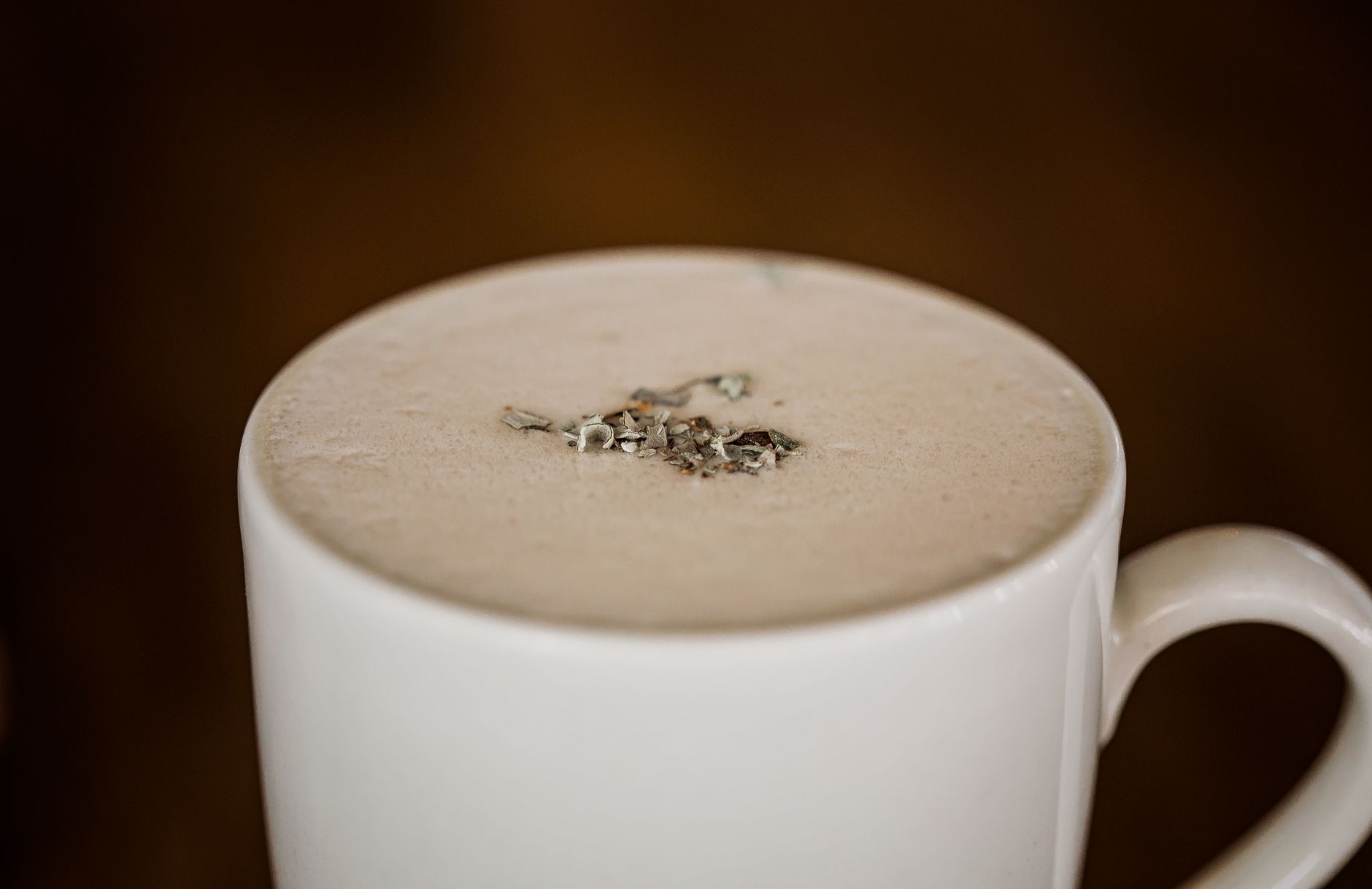
Chai lattes have surged in popularity, often found on café menus and enjoyed at home. They represent a blend of black tea, spices, and steamed milk, creating a comforting drink with deep flavors. One common question that arises is whether a chai latte contains espresso. Understanding the ingredients can help you decide how to customize your beverage.
The simple answer is that traditional chai lattes do not include espresso. Instead, they rely on a strong black tea base, often brewed with spices like cinnamon, cardamom, and ginger. However, some variations incorporate espresso for an extra caffeine kick. This article will explore the standard ingredients, preparation methods, variations, and tips for serving chai lattes—whether or not you choose to add a shot of espresso.
Does Chai Latte Have Espresso?
No, traditional chai lattes do not contain espresso. They are primarily made with spiced black tea, milk, and various flavorings. However, café versions have emerged that combine chai’s warming spices with espresso for a uniquely caffeinated beverage.
Understanding Chai Latte Ingredients
To appreciate the chai latte fully, it’s essential first to understand its basic components.
1. Black Tea
Black tea is the heart of any chai latte. It provides the base flavor and combines well with spices. Commonly used varieties include:
- Assam
- Darjeeling
- Ceylon
These teas are robust and can withstand the addition of milk and spices without losing their flavor.
2. Spices
Chai lattes are famous for their vibrant spice profiles. Key spices often include:
- Cinnamon
- Cardamom
- Ginger
- Cloves
- Black pepper
These spices not only provide distinct flavors but also impart aromatic qualities that enhance the drinking experience.
3. Sweeteners
While some prefer their chai latte unsweetened, most versions include a sweetener to balance the spices and tea’s bitterness. Common options include:
- Sugar
- Honey
- Maple syrup
- Agave syrup
The choice of sweetener can affect the overall flavor profile, so try to experiment with different options.
4. Milk
The final essential ingredient is milk, which adds creaminess and balance to the chai. Various types can be used:
- Whole milk
- Skim milk
- Non-dairy alternatives (e.g., almond, soy, oat)
The milk must be steamed or heated adequately to create the signature texture of a chai latte.
Classic Chai Latte Recipe
Here’s a straightforward recipe for making a rich and flavorful chai latte without espresso. This recipe serves two and takes about 20 minutes to prepare and cook.
Ingredients
- 2 cups water
- 2 tablespoons black tea leaves (or 2 tea bags)
- 2 cups milk
- 1-2 tablespoons sweetener of choice (adjust per taste)
- 1 cinnamon stick
- 5 cardamom pods, crushed
- 1-inch piece of fresh ginger, sliced
- 2-3 cloves
- 2-3 peppercorns (optional)
Essential Equipment
- Medium saucepan
- Whisk or milk frother
- Fine mesh strainer
- Mug or heat-resistant cup
Instructions
- In a medium saucepan, bring the water to a boil. Add the crushed cardamom pods, cinnamon stick, sliced ginger, cloves, and peppercorns (if using) to the boiling water. Reduce the heat and let it simmer for about 10 minutes.
- Add the black tea leaves or tea bags to the spiced water and let it steep for 3-5 minutes, depending on how strong you want the flavor.
- Meanwhile, in a separate saucepan, heat the milk over medium heat without bringing it to a boil. Stir occasionally to prevent scorching.
- Once the tea is brewed to your liking, strain the spiced tea mixture into a large mug, discarding the solids.
- Add your preferred sweetener to the tea and stir to dissolve. Then, pour the heated milk into the tea mixture, creating a creamy blend.
- Use a whisk or milk frother to froth the milk if desired. This step adds an elegant texture and a little bit of airiness.
- Enjoy your chai latte hot, or let it cool a bit and pour it over ice for a refreshing twist.
Chai Latte Variations with Espresso
If you enjoy espresso-based beverages, consider trying a chai latte infused with espresso. This combination can provide a more robust caffeine kick, making it an ideal choice for an afternoon pick-me-up.
1. Chai Espresso Latte
To make a chai espresso latte, simply prepare your traditional chai latte as described above but add one shot of espresso:
- Prepare the spiced tea base as directed.
- Once strained, pour in a shot of freshly brewed espresso before adding the steamed milk.
- Follow the same steps to sweeten and froth the milk as in the original recipe.
This method combines the aromatic spices of chai with the rich, bold flavor of espresso.
2. Iced Chai Espresso Latte
For a refreshing summer drink, try the iced chai espresso latte:
- Prepare the chai concentrate as before, and allow it to cool.
- Fill a glass with ice and pour in one shot of espresso.
- Add the cooled chai concentrate, and top with milk of your choice.
- Sweeten to taste and stir.
The combination of spicy chai, robust espresso, and cold milk creates a delightful drink perfect for warm days.
Common Mistakes When Making Chai Latte
Preparing a proper chai latte seems simple, but a few common mistakes can derail your efforts.
1. Over-Brewing the Tea
Letting the tea steep for too long can lead to bitterness. Monitor the steeping time closely, usually between 3-5 minutes.
2. Skipping Sweeteners
Not using sweeteners may lead to a drink that feels flat and unbalanced. Adjust the level to taste, and you might find your perfect sweetness.
3. Using Cold Milk
Adding cold milk directly into hot tea can alter the temperature and texture. Always heat the milk first to maintain the proper consistency.
4. Not Heating Spices Long Enough
Spices need time to release their flavors. Make sure to simmer them in the water for at least 10 minutes.
Serving Tips for Your Chai Latte
Enhancing the presentation can make your chai latte even more enjoyable. Here are a few serving tips:
1. Garnishes
Top your chai latte with a sprinkle of cinnamon or nutmeg for an appealing finish. A dash of cocoa powder can also provide an interesting twist.
2. Presentation
Consider serving it in a clear glass mug to showcase the beautiful layers of color. Add a spoon or stir stick for an inviting touch.
3. Pairing Options
Pair chai lattes with snacks that complement their rich flavors, such as:
- Spicy biscuits
- Control-snacking nuts with spices
- Freshly baked scones with jam
Storing Chai Latte
If you have leftover chai latte, it’s essential to store it properly to maintain its flavor and quality:
1. Refrigeration
Cool any leftover chai latte to room temperature, and then transfer it to an airtight container. Refrigerated, it can last for up to 3 days.
2. Reheating
When reheating, do so gently over low heat on the stove or a microwave. Be cautious not to boil, as this can change the flavor and texture.
Exploring Regional Variations of Chai
Chai recipes vary greatly across different cultures, so exploring these can add depth to your understanding of the beverage.
1. Masala Chai
This Indian variation incorporates a higher number of spices and is often sweeter than the typical chai latte.
2. Thai Tea
Thai iced tea features spices and is brewed using a different type of tea, known for its distinctive orange color, often sweetened with condensed milk.
Conclusion
In essence, a traditional chai latte does not include espresso; it centers around spiced black tea, milk, and sweeteners. However, the intersection of chai and espresso creates delightful variations that can suit different tastes and caffeine needs. Make your chai latte at home, try adding espresso for an invigorating alternative, and enjoy the soothing yet energetic qualities of this popular beverage.
For more on caffeinated options, explore how much caffeine is in chai tea or check out a delicious caramel ribbon crunch frappuccino recipe.