
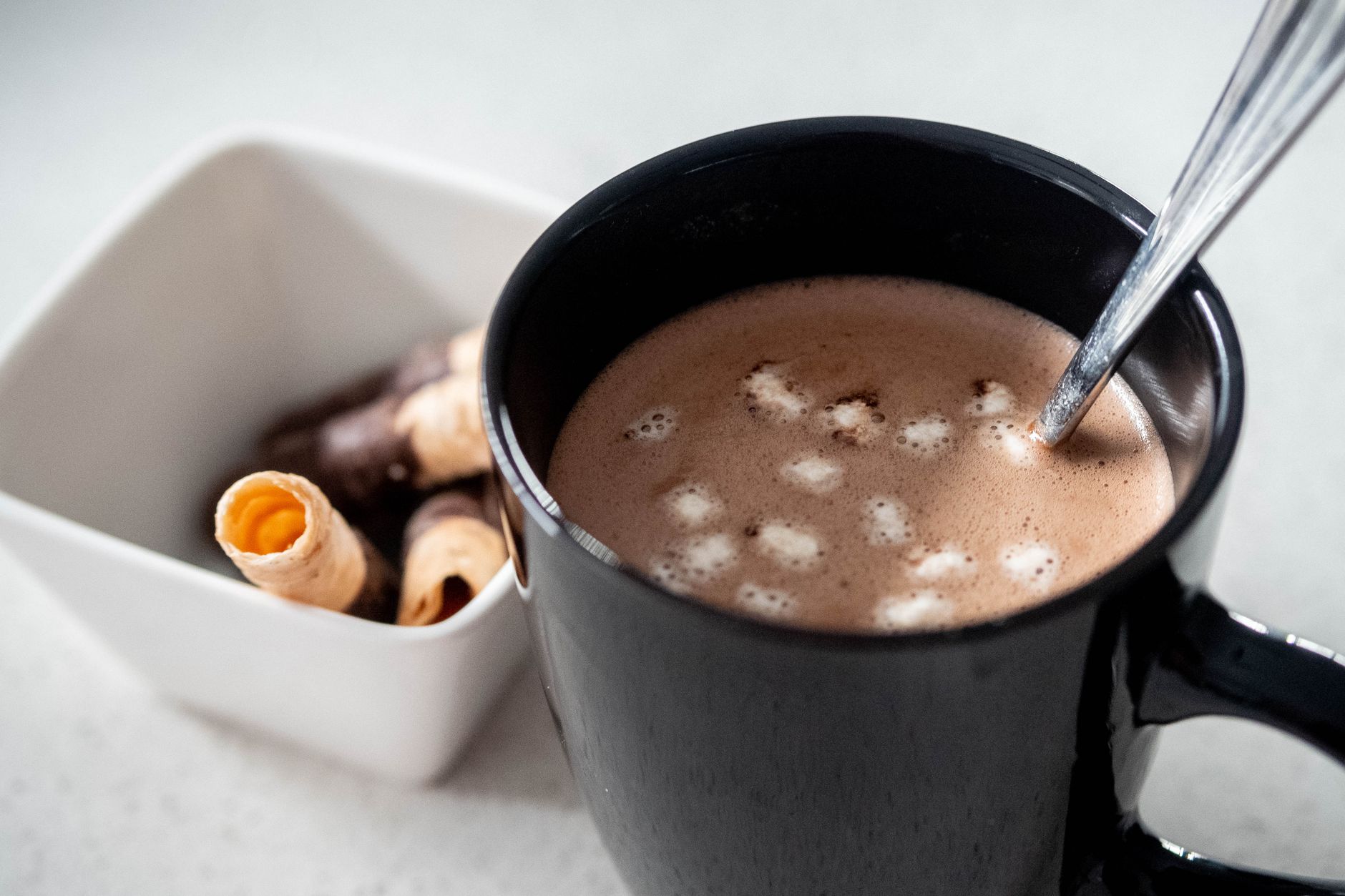
Is hot chocolate gluten free? This is a crucial question for those with gluten sensitivities or celiac disease who want to enjoy this comforting drink without worry. Understanding the ingredients commonly found in hot chocolate can help ensure your beverage is safe to consume while still being delicious.
In this article, we will explore the ingredients typically used in hot chocolate, discuss potential allergens, and offer tips for making gluten-free versions at home. Whether you’re indulging in a cup on a cold winter day or serving it to guests at a festive gathering, knowledge is key.
Is Hot Chocolate Gluten Free?
Most traditional hot chocolate recipes are naturally gluten free as they mainly contain cocoa powder, sugar, and milk or water. However, when purchasing prepared mixes or consuming hot chocolate at cafes or restaurants, it is essential to check for gluten-containing ingredients or cross-contamination. Always read packaging labels and inquire about preparation methods to ensure your hot chocolate is safe.
Understanding Common Ingredients
To better grasp the gluten-free status of hot chocolate, it’s important to understand its primary components:
- Cocoa Powder: Pure cocoa powder is gluten free and serves as the base for hot chocolate.
- Sugar: Granulated sugar is gluten free, so it’s safe to use in hot chocolate.
- Milk or Milk Alternatives: Dairy milk is gluten free and commonly used. If using plant-based milks, ensure they are pure and free of additives that may contain gluten.
- Flavorings: Vanilla extract and other flavorings are usually gluten free, but check labels to confirm.
- Thickeners: Some hot chocolate mixes may include thickeners or stabilizers, which can sometimes be derived from gluten grains. Read labels carefully.
Potential Gluten Sources in Hot Chocolate
While many ingredients are inherently gluten free, there are several sources of gluten to be aware of:
- Pre-packaged Hot Chocolate Mixes: Some commercial hot chocolate mixes may contain gluten in the form of malt or wheat flour.
- Additives: Artificial flavorings, colorings, or thickeners may contain gluten or be processed in shared facilities.
- Cross-Contamination: Hot chocolate prepared in establishments that also handle gluten-containing foods can risk cross-contamination.
Popular Hot Chocolate Brands and Their Gluten-Free Status
When shopping for hot chocolate, it helps to know which brands offer gluten-free options. The following brands often provide gluten-free hot chocolate products:
- Ghirardelli: Many of their hot cocoa mixes are labeled gluten free. Check the packaging for confirmation.
- Swiss Miss: Some varieties are gluten free; always verify ingredients.
- Godiva: Their hot chocolate mix is typically gluten free but should be confirmed with the label.
- Starbucks: Offers gluten-free options; ask your barista for details.
Making Gluten-Free Hot Chocolate at Home
For complete peace of mind, making hot chocolate from scratch ensures it is gluten free. Here’s a simple recipe to guide you:
Ingredients
- 2 cups milk (or milk alternative)
- 2 tablespoons cocoa powder (unsweetened)
- 2 tablespoons sugar (adjust to taste)
- 1/4 teaspoon vanilla extract
- Pinch of salt
Essential Equipment
- Medium saucepan
- Whisk
- Cup or mug for serving
Instructions
- In a medium saucepan over medium heat, combine the milk, cocoa powder, and sugar.
- Whisk together until the cocoa powder and sugar are fully dissolved.
- Heat until the mixture is warm, but do not allow it to boil.
- Add the vanilla extract and a pinch of salt. Stir well.
- Remove from heat and pour into your favorite mug.
- Top with mini marshmallows, whipped cream, or other toppings if desired.
Substitutions and Variations
If you want to experiment with your hot chocolate, here are some effective substitutions and variations:
- Dairy-Free Alternatives: Use almond, coconut, or oat milk as a milk substitute for a dairy-free hot chocolate. Ensure the plant-based milk is labeled gluten free.
- Sweeteners: Substitute sugar with honey, agave nectar, or a sugar alternative, adjusting the quantity to taste.
- Flavors: Add flavors like peppermint extract, espresso powder, or spices like cinnamon for unique variations.
- Low-Calorie Options: Use unsweetened cocoa and a low-calorie sweetener for a lighter version.
Common Mistakes to Avoid
Making hot chocolate can seem straightforward, but there are pitfalls to watch for:
- Failing to dissolve the cocoa powder and sugar completely can lead to a gritty texture.
- Boiling the mixture can cause the milk to scald, creating an undesirable taste.
- Neglecting to check labels on store-bought products could lead to unintentionally consuming gluten.
Storage and Reheating Hot Chocolate
If you find yourself with leftover hot chocolate, you can store it safely:
- Allow the hot chocolate to cool to room temperature before transferring it to an airtight container.
- Store in the refrigerator for up to 3 days.
- To reheat, warm gently on the stove or in the microwave, stirring to ensure even heat distribution.
Serving Suggestions
Hot chocolate can be enjoyed in various ways. Here are ideas to make your beverage even more delightful:
- Top with whipped cream and chocolate shavings for a decadent treat.
- Serve with a side of cookies or marshmallows for dipping.
- Add a dash of chili powder for a spicy, Mexican-style chocolate.
Conclusion
In summary, hot chocolate is fundamentally gluten free when made from basic ingredients like cocoa, milk, and sugar. However, caution is necessary when purchasing pre-packaged mixes or consuming hot chocolate at venues where cross-contamination is a risk. By preparing hot chocolate at home, you can fully customize your drink to suit your taste without the worry of gluten.
To explore more delicious recipes, check out our guide to Mexican Hot Chocolate for a delightful twist or try making Gluten-Free Gnocchi for your next meal! Enjoy your hot chocolate journey.