
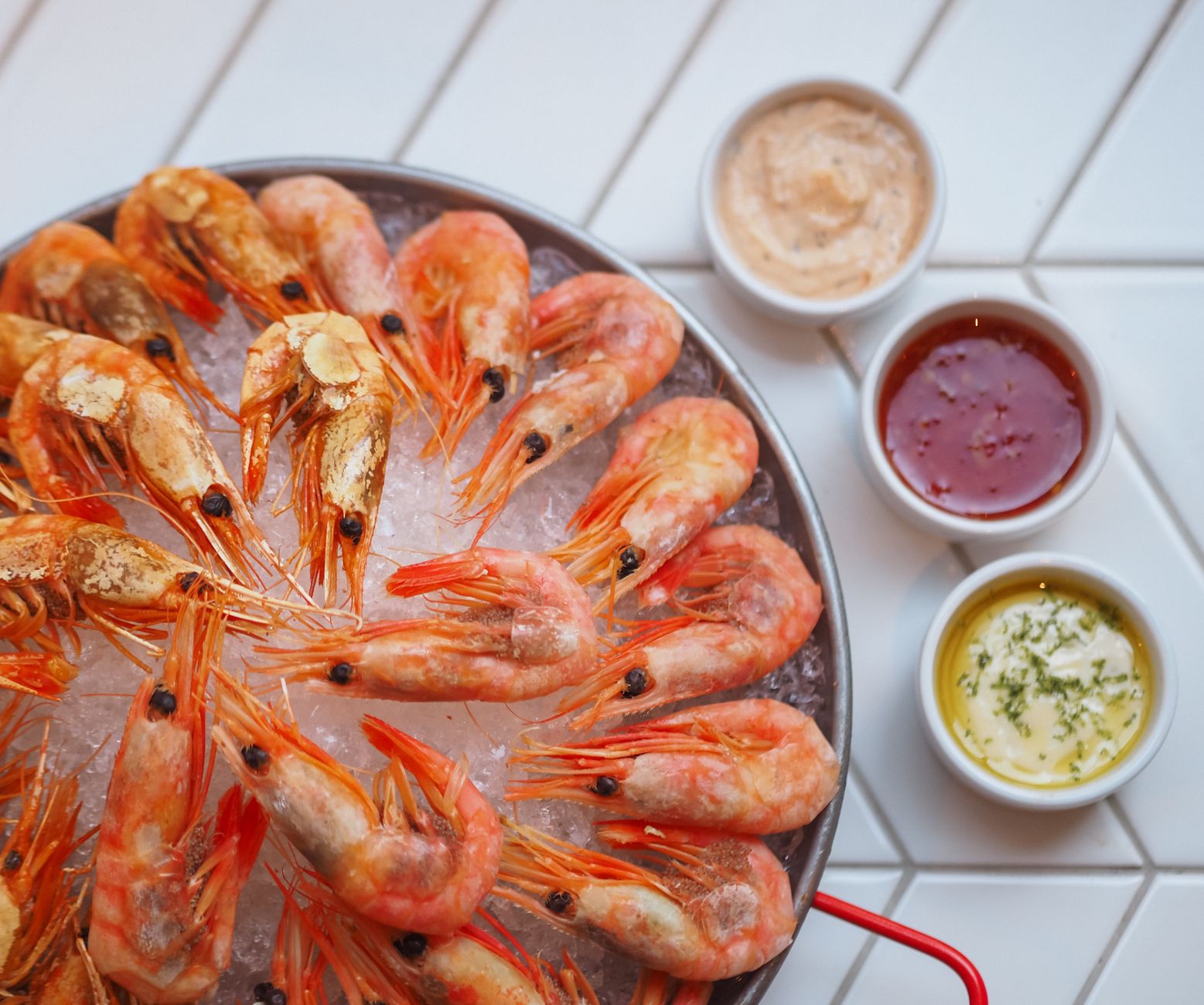
Understanding the relationship between ounces and pounds is crucial for successful meal planning and cooking, especially when working with shrimp. A common question that arises in the kitchen is, “How many ounces are in a pound of shrimp?” This article will clarify that and provide insightful information about shrimp, its usage in recipes, and tips on selecting, storing, and cooking this delightful seafood.
Whether you’re preparing a seafood feast or simply trying to gauge how much shrimp to buy, knowing the conversion can streamline your cooking process. Let’s dive into the details of shrimp measurements and more.
How Many Ounces in a Pound of Shrimp?
There are 16 ounces in a pound of shrimp. This is a standard measurement across most food items in the United States. Understanding this conversion is essential for recipe accuracy and portions when cooking with shrimp.
Why Know the Weight of Shrimp?
When cooking with shrimp, knowing the weight can help you maintain proper recipe proportions, ensure your dish’s flavor and texture are just right, and assist in meal planning. Whether you’re serving dinner for four or a large gathering, accurate measurements lead to better cooking outcomes.
Types of Shrimp and Their Sizes
Shrimp is available in various sizes and types, often referred to as “counts” that indicate the number of shrimp per pound. Familiarizing yourself with different shrimp types can enhance your culinary experience.
Common Shrimp Sizes
- Colossal: 8-10 shrimp per pound
- Extra Jumbo: 11-15 shrimp per pound
- Jumbo: 16-20 shrimp per pound
- Large: 21-25 shrimp per pound
- Medium: 26-30 shrimp per pound
- Small: 31-35 shrimp per pound
- Extra Small: 36+ shrimp per pound
Flavor Differences
The size and type of shrimp can impact the flavor and texture of your dish. Larger shrimp typically have a meatier texture and might stand up better to grilling or broiling, while smaller shrimp can be perfect for stir-fries and pasta dishes.
Selecting Fresh Shrimp
When purchasing shrimp, whether frozen or fresh, there are several factors to keep in mind to ensure quality.
Buying Fresh Shrimp
- Look for shrimp that are firm and translucent.
- Fresh shrimp should smell briny, like the sea. Avoid shrimp that has a strong, fishy odor.
- Inspect the shells for any black spots or discoloration, as this may indicate aging.
Frozen Shrimp Selection
When buying frozen shrimp, check for a clean, minimal ice glaze. Excess ice could indicate thawing and refreezing, impacting quality. Additionally, frozen shrimp is often available in two types: raw and cooked, with distinct culinary uses.
Cooking Shrimp: Techniques and Tips
Cooking shrimp may seem straightforward, but there are various techniques and tips that can maximize flavor and texture.
Common Cooking Methods
- Boiling: A quick method ideal for shrimp cocktail or adding to pasta. Boil shrimp for about 2-3 minutes. They are done when they turn pink and opaque.
- Sautéing: This method enhances flavors with butter or oil. Sauté shrimp for around 3-5 minutes until fully cooked.
- Grilling: Great for larger shrimp, grilling adds a smoky flavor. Grill for about 5-7 minutes, turning occasionally.
- Baking: For a hands-off approach, baking shrimp is excellent. Bake in a preheated oven at 400°F (204°C) for 8-10 minutes.
Common Shrimp Cooking Mistakes
- Overcooking shrimp leads to a rubbery texture. Always remove from heat as soon as they turn pink.
- Not seasoning sufficiently can lead to bland dishes. Use spices, marinades, or sauces to enhance the flavor.
- Cooking shrimp from frozen without thawing can create uneven cooking. Always thaw shrimp in the fridge or under cold running water before cooking.
Popular Shrimp Recipes
Exploring flavors and combinations can take your shrimp dishes to the next level. Here are some popular shrimp recipes to get you started.
Creamy Coconut Shrimp
This recipe combines luscious coconut milk with succulent shrimp for a tropical delight. Perfect for a light dinner or served with rice.
Ingredients
- 1 pound of shrimp (peeled and deveined)
- 1 can (14 ounces) coconut milk
- 2 tablespoons lime juice
- 1 tablespoon ginger (minced)
- 2 garlic cloves (minced)
- Salt and pepper to taste
- Chopped cilantro for garnish
Method
- In a pan over medium heat, add coconut milk, ginger, and garlic. Let simmer for 2-3 minutes.
- Add shrimp and lime juice. Cook until shrimp are pink and opaque, about 5 minutes.
- Season with salt and pepper. Garnish with cilantro and serve hot.
Shrimp Sauce
A versatile sauce pairs well with shrimp for dipping or pouring over dishes. This recipe will guide you through making a tangy, flavorful sauce.
Ingredients
- 1 cup mayonnaise
- 2 tablespoons ketchup
- 1 tablespoon horseradish
- 1 teaspoon lemon juice
- Salt and pepper to taste
Method
- In a bowl, combine mayonnaise, ketchup, horseradish, and lemon juice.
- Mix thoroughly and season with salt and pepper.
- Chill before serving with shrimp or as a dip.
Storing Shrimp
Proper storage of shrimp is essential to maintain freshness and avoid spoilage.
Refrigerating Fresh Shrimp
- Store fresh shrimp in the coldest part of the refrigerator and consume within 1-2 days.
- Keep shrimp in a shallow container, covered with ice, to maintain a low temperature.
Freezing Shrimp
If you need to store shrimp for a longer duration, freezing is the best option. Here’s how:
- Wrap shrimp tightly in plastic wrap and place them in a freezer bag with the air removed.
- Label with the date and use within 6-12 months for optimal quality.
- Thaw shrimp by placing them in the refrigerator overnight or under cold running water for quicker thawing before cooking.
Meal Planning with Shrimp
Shrimp can be a fantastic, protein-rich ingredient for meal planning. Here are some tips on how to incorporate it effectively into your weekly menu.
Shopping Guide
- Buy shrimp in bulk if you frequently use it. Ensure you maintain proper freezing and thawing practices.
- Look for versatile recipes that can be altered for various dishes, such as tacos, pasta, and salads.
Batch Cooking
Prepare shrimp in larger quantities to use in multiple meals. For example, sauté a pound of shrimp and use it in a pasta dish one night and shrimp tacos the next.
Dietary Considerations
Shrimp is a common option for various dietary preferences, including low-carb and protein-rich diets. However, always check for allergies as shellfish can cause reactions in some individuals.
Alternatives and Substitutions
If you’re unable to consume shrimp, consider these alternatives:
- Chicken for a protein-rich substitute. Adjust cooking times accordingly.
- Firm tofu for a vegetarian option; marinate and sauté it similarly to shrimp.
Conclusion
Understanding how many ounces are in a pound of shrimp is essential for accurate cooking and meal preparation. With this knowledge and the insights provided, you can confidently select, cook, and enjoy shrimp in various delicious dishes. Start planning your next meal featuring shrimp, and explore new recipes to elevate your culinary experience.
For more delicious options, check out our creamy coconut shrimp recipe and our shrimp sauce recipe to enhance your shrimp dishes.