
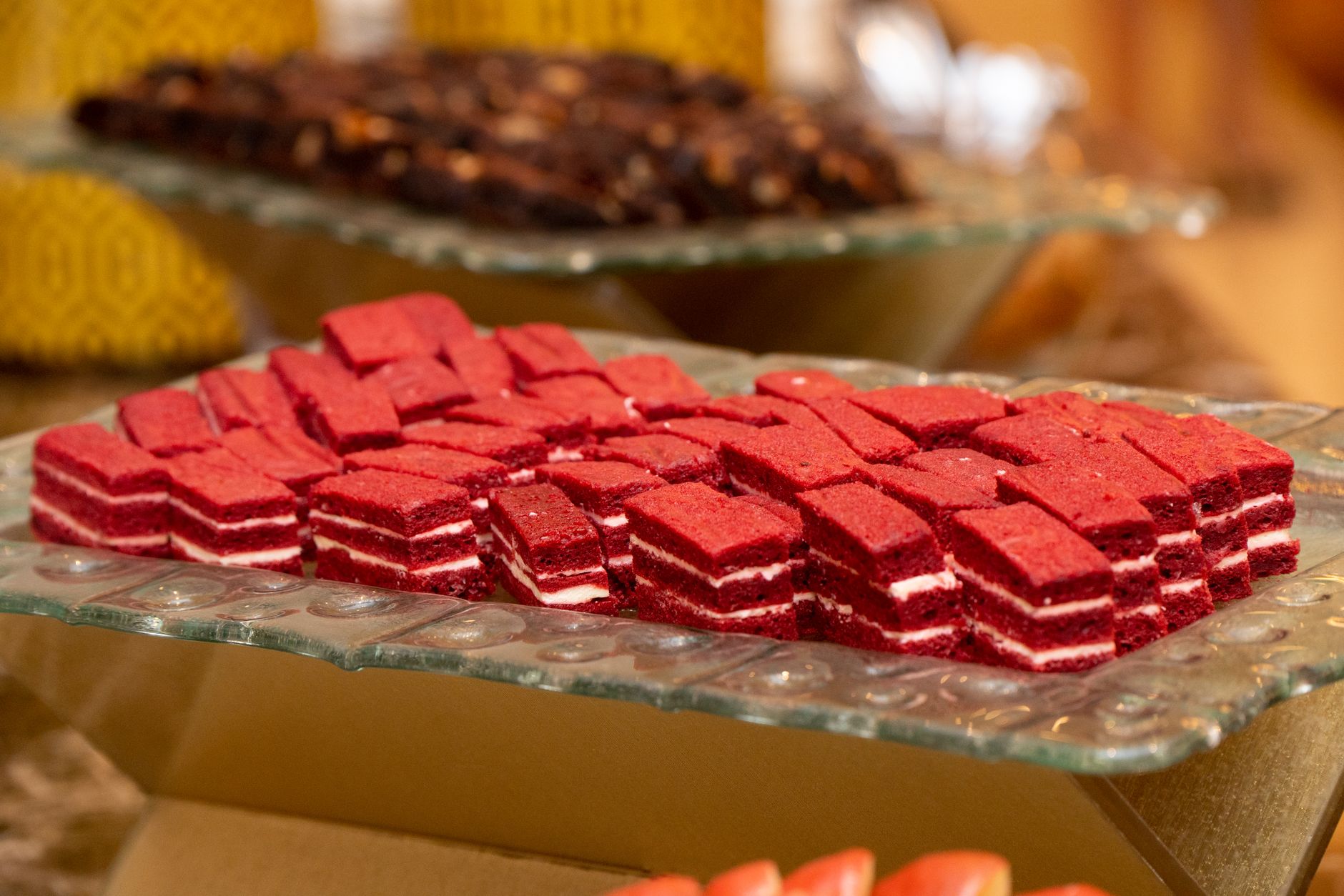
Red velvet cake is a beloved dessert characterized by its striking crimson hue and rich, velvety texture. But what exactly is red velvet made out of? In this article, we will explore the key ingredients, the science behind its unique flavor, and how to incorporate this delightful cake into different culinary uses.
Understanding the components of red velvet cake can help anyone appreciate its allure as well as assist in making it or accommodating dietary preferences. Whether you’re baking for a special occasion or simply indulging in a treat, this guide covers everything you need to know about red velvet cake.
What Is Red Velvet Made Out Of?
Red velvet cake primarily consists of flour, sugar, cocoa powder, buttermilk, eggs, and oil, with some recipes calling for vegetable oil and others for butter. The standout ingredient that gives red velvet its distinctive color is red food coloring, although some traditional recipes used beet juice or cocoa powder with an acid reaction instead. The cake is typically topped with a rich cream cheese or buttercream frosting.
Key Ingredients in Red Velvet Cake
To better understand how red velvet cake achieves its flavor, texture, and color, let’s take a closer look at each ingredient used in its preparation:
- All-purpose flour: The base of the cake, providing structure and stability. Some recipes substitute cake flour for a lighter texture.
- Sugar: Granulated sugar adds sweetness and contributes to the cake’s moist texture.
- Cocoa powder: Just a small amount of cocoa powder is used for flavor, contributing to the cake’s distinct taste without making it a chocolate cake.
- Buttermilk: Adds moisture and tang, balancing the sweetness and providing richness.
- Eggs: Eggs act as a binder and provide richness, contributing to the tender crumb of the cake.
- Vegetable oil or butter: Adds moisture; oil typically results in a denser cake, while butter provides a richer flavor.
- Red food coloring: This iconic ingredient gives red velvet its unmistakable red hue.
- Vinegar: Often added to enhance the reaction between the baking soda and cocoa powder, helping the cake rise and resulting in a more tender texture.
- Salt: Balances sweetness and enhances flavor.
- Frosting: The cake is commonly topped with either cream cheese frosting, which adds a tangy contrast to the sweetness, or buttercream frosting.
The Role of Each Ingredient
Understanding the specific role of each ingredient helps in making effective substitutions if necessary:
Flour
Flour is the backbone of red velvet cake. Typically, all-purpose flour is preferred for its balance of protein, allowing the cake to hold its shape while remaining tender. Cake flour can be used for a lighter result due to its lower protein content, resulting in a softer, more delicate crumb.
Sugar
Sugar not only sweetens but also contributes to the moisture of the cake. It caramelizes during baking, adding to the flavor. Brown sugar can also be used for added moisture and depth of flavor.
Cocoa Powder
The cocoa powder in red velvet cake is used more for flavor than to create a chocolate cake. Dutch-processed cocoa, which is less acidic, is often recommended as it balances well with the acidity of the buttermilk and vinegar.
Buttermilk
Buttermilk is acidic, which interacts with baking soda to create a tender crumb. If buttermilk is not available, a simple substitute can be made with milk and vinegar or lemon juice.
Eggs
Eggs are critical for binding the ingredients together and imparting moisture. They help the cake rise and add richness.
Vegetable Oil or Butter
Oil, particularly vegetable oil, results in a moist, denser cake due to its high-fat content. Butter, while providing excellent flavor, can make the texture lighter if creamed properly.
Red Food Coloring
Most red velvet cake recipes call for red food coloring, but it can be adjusted based on personal preference. Natural alternatives, like beet juice, offer a less vibrant color but a similar flavor profile. It’s important to use food coloring carefully, especially if texture or taste is a concern.
Vinegar
Vinegar enhances the cake’s rise and contributes to its unique flavor without adding a distinctly sour note. Use white vinegar or apple cider vinegar; both work well.
Salt
Salt is crucial in any baking recipe, as it brings out the flavors of the other ingredients, enhances sweetness, and balances the cake’s overall taste.
Frosting
The traditional frosting for red velvet is cream cheese frosting, which adds a tangy flavor that contrasts beautifully with the sweetness of the cake. Buttercream can also be used for a sweeter, more traditional cake profile.
Common Variations of Red Velvet Cake
While the classic red velvet cake recipe is beloved, variations exist that provide alternatives for different dietary needs or preferences:
- Gluten-free red velvet: Use a gluten-free flour blend in place of all-purpose flour to accommodate those with gluten sensitivities.
- Vegan red velvet: Substitute eggs with flax eggs and use a non-dairy milk and oil blend to create a vegan-friendly version.
- Chocolate red velvet: Increase the cocoa powder if a more chocolatey flavor is desired; this becomes a deliciously rich alternative.
- Red velvet cupcakes: This variation gives individual portions, making it excellent for events or celebrations.
- Layered red velvet cake: Stack multiple layers of red velvet cake with cream cheese frosting in between for a dramatic presentation.
Tips for Making Red Velvet Cake
Here are some practical tips to ensure your red velvet cake turns out perfectly:
- Measure ingredients carefully. Accurate measurements lead to a consistent result.
- Bring ingredients to room temperature. This allows for better mixing and a more even bake.
- Don’t overmix the batter. Mix until just combined to prevent a dense cake.
- Adjust baking times based on your oven. Ovens can vary; use a toothpick or cake tester to check for doneness.
- Let the cake cool completely before frosting. This helps the frosting set properly and prevents sliding.
Common Mistakes to Avoid
Avoid these common pitfalls that can affect the final result of your red velvet cake:
- Using too much or too little food coloring. Follow the recipe recommendations for the best color without altering texture.
- Baking at too high a temperature. High heat can cause the cake to dome and crack; moderate temperatures create an even rise.
- Not adjusting for altitude. If you are baking at high altitudes, adjustments in flour and baking powder may be necessary.
Storage and Freezing Advice
Proper storage can prolong the life of your red velvet cake or cupcakes:
- Store in an airtight container at room temperature for up to three days, or in the refrigerator for up to a week.
- For longer storage, freeze the cake. Wrap each layer individually in plastic wrap, then in aluminum foil, and freeze for up to three months.
- Thaw in the refrigerator overnight before frosting and serving.
Exploring Other Uses for Red Velvet
While red velvet is primarily known as a cake, it can be utilized in various culinary applications:
- Red velvet whoopie pies: Use red velvet cake batter to create sandwich cookies filled with cream cheese frosting.
- Red velvet pancakes: Incorporate red velvet cake flavors into breakfast by adding cocoa and red food coloring to pancake batter.
- Red velvet cheesecakes: Blend red velvet cake into cheesecake batter for a delightful fusion dessert.
Conclusion
Red velvet cake is made from simple yet impactful ingredients that create a dessert with unique flavor and texture. Understanding what goes into making red velvet allows for creativity and customization in your baking. From iconic cakes to variations for different dietary needs, the world of red velvet is rich and rewarding.
As you venture into the realm of baking, consider exploring the ingredients and uses of molasses here and learn about the role of shortening in baking here to further enhance your baking skills.