
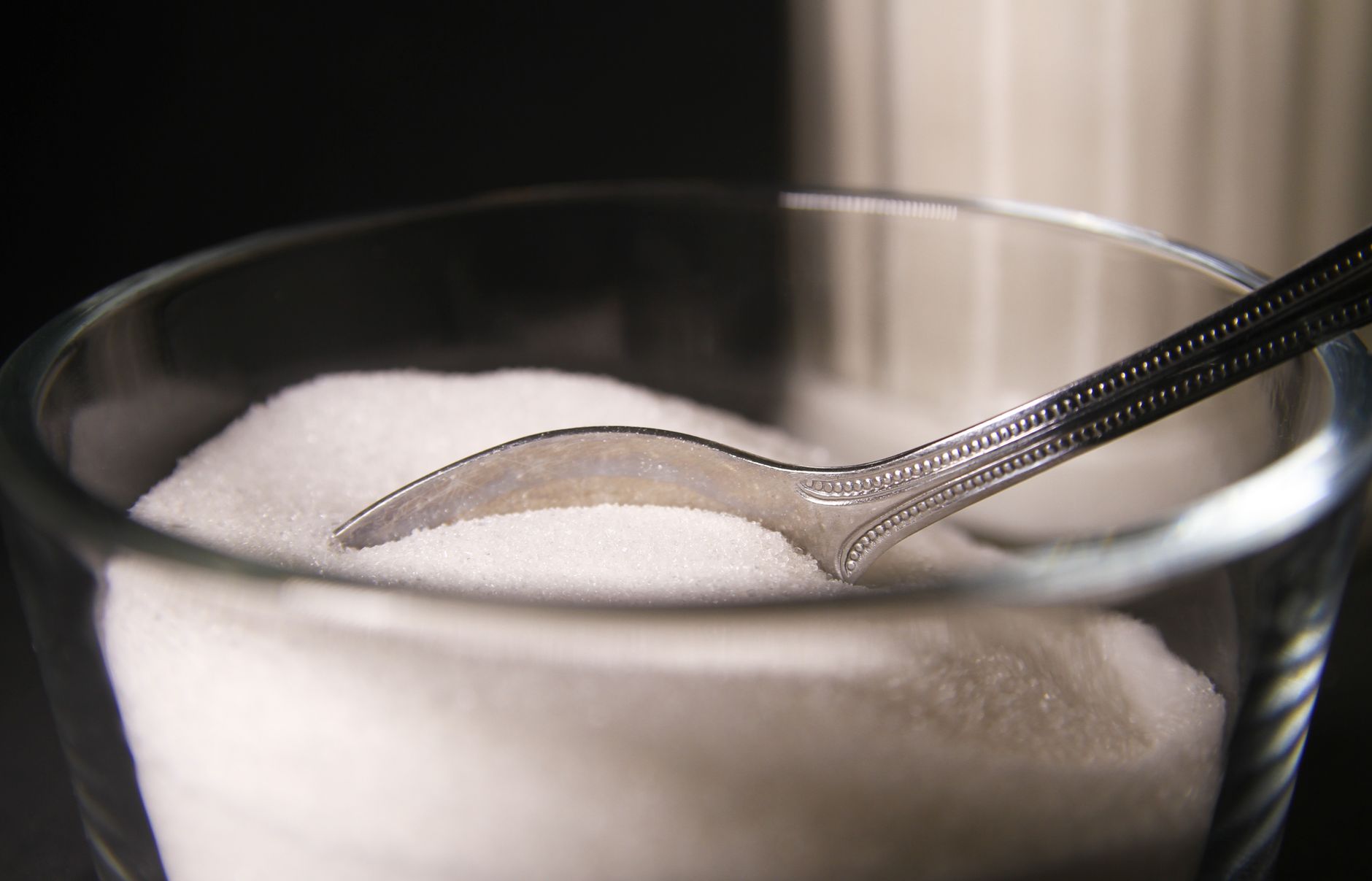
Dextrose is a simple sugar derived from cornstarch that plays a vital role in both food production and culinary applications. It is often used as a sweetener, thickener, or preservative in various food products due to its desirable properties.
This article explores what dextrose is, its taste and texture, its various culinary uses, and considerations for incorporating it into your cooking and baking. Understanding dextrose will empower you to make informed choices about your food ingredients and enhance your culinary skills.
What Is Dextrose in Food?
Dextrose is a type of simple sugar, specifically, a monosaccharide, which is chemically identical to glucose. It is derived primarily from corn and is often referred to as corn sugar. Dextrose is used in various food products due to its sweetness, ability to retain moisture, and compatibility with many cooking techniques.
Taste and Texture of Dextrose
Dextrose has a mild, sweet flavor that is less intense than sucrose (table sugar). This subtle sweetness makes it an excellent choice for products where a strong sugar flavor might not be desired. In terms of texture, dextrose is typically a fine, white powder that dissolves easily in liquids, making it suitable for both baking and cooking.
Culinary Uses of Dextrose
Dextrose serves various purposes in the kitchen. Below are some of the principal uses:
- Sweetener: Dextrose is commonly used as a sweetening agent in beverages, snacks, and desserts. It can replace table sugar in recipes for a milder sweetness.
- Fermentation Aid: In bread-making, dextrose is often used to feed yeast, enhancing the fermentation process and promoting a better rise.
- Moisture Retention: Due to its hygroscopic nature, dextrose can help retain moisture in baked goods, making them softer and fresher over time.
- Thickening Agent: Dextrose can be employed as a thickener in sauces and soups, providing a subtle sweetness while enhancing texture.
- Preservative: Dextrose can act as a preservative in various food products by inhibiting microbial growth.
Substituting Dextrose in Recipes
If you’re looking to incorporate dextrose into your cooking or baking, it’s essential to know how to substitute it effectively. Here are some common substitutions:
- For every cup of granulated sugar: Use ¾ cup of dextrose. Keep in mind that dextrose is less sweet, so you might want to adjust for taste accordingly.
- For a healthier alternative: Replace honey with an equal amount of dextrose in recipes where the liquid state of honey is not critical.
- Baking: When substituting dextrose for sugar in baked goods, reduce the liquid in your recipe slightly, as dextrose can absorb more moisture than regular sugar.
Common Mistakes When Using Dextrose
While dextrose can be a versatile ingredient, there are some pitfalls to avoid:
- Using too much: Because it is less sweet than regular sugar, it’s easy to underestimate the amount needed for sweetness. Always taste your mixture and adjust accordingly.
- Not considering moisture: If you are making baked goods, be mindful that dextrose can absorb moisture. This absorption can cause your end product to be drier if not accounted for.
- Improper storage: Dextrose should be stored in a cool, dry place to prevent clumping. Ensure it is sealed tightly to maintain freshness.
Cooking with Dextrose: Recipes to Try
Here are a couple of recipe ideas where you can utilize dextrose to enhance flavor and texture:
Dextrose Sweetened Lemonade
This refreshing drink is perfect for a hot day and is easy to make:
Yield: 4 servings
Preparation Time: 10 minutes
Total Time: 10 minutes
Ingredients
- 1 cup fresh lemon juice
- ¾ cup dextrose
- 4 cups water
- Ice cubes
- Lemon slices for garnish
Method
- In a large pitcher, combine the fresh lemon juice and dextrose.
- Add water gradually, stirring well until the dextrose is completely dissolved.
- Serve over ice and garnish with lemon slices. Enjoy your refreshing lemonade!
Moist Dextrose-Enhanced Chocolate Chip Cookies
This cookie recipe will yield soft and chewy cookies thanks to the moisture-retaining properties of dextrose:
Yield: 24 cookies
Preparation Time: 15 minutes
Cooking Time: 10-12 minutes
Total Time: 25-27 minutes
Ingredients
- 1 cup unsalted butter, softened
- ¾ cup dextrose
- ¾ cup brown sugar, packed
- 2 large eggs
- 2 teaspoons vanilla extract
- 2 ¼ cups all-purpose flour
- 1 teaspoon baking soda
- ½ teaspoon salt
- 2 cups semi-sweet chocolate chips
Method
- Preheat your oven to 350°F (175°C). Line a baking sheet with parchment paper.
- In a mixing bowl, cream the softened butter, dextrose, and brown sugar until light and fluffy.
- Add the eggs and vanilla extract, mixing until fully incorporated.
- In a separate bowl, whisk together the flour, baking soda, and salt.
- Gradually add the dry ingredients to the wet mixture and stir until just combined.
- Fold in the chocolate chips.
- Drop rounded tablespoons of dough onto the prepared baking sheet.
- Bake for 10-12 minutes or until the edges are golden but the centers remain soft.
- Allow cooling on the baking sheet for a couple of minutes before transferring to a wire rack.
Storage and Shelf Life of Dextrose
Proper storage of dextrose is important for maintaining its quality. Keep dextrose in an air-tight container in a cool, dry place, away from heat and light. Under these conditions, when stored properly, dextrose can last indefinitely, although it is best used within two years for optimal flavor and quality.
Health Considerations
It’s essential to understand the health implications of consuming dextrose, especially for individuals with specific dietary needs. Dextrose has a high glycemic index, meaning it can cause a quick spike in blood sugar levels. Therefore, individuals with diabetes or those watching their sugar intake should use it cautiously, monitoring their blood sugar levels to avoid spikes.
Conclusion
Dextrose is a versatile ingredient that offers various culinary benefits, from enhancing sweetness to improving texture in baked goods and sauces. Understanding its properties and uses allows you to make informed choices in the kitchen, whether for baking, cooking, or preparing beverages.
Explore related recipes, cooking tips, or food guides such as what is glucose syrup or how long chia seeds should soak for more culinary insights.