
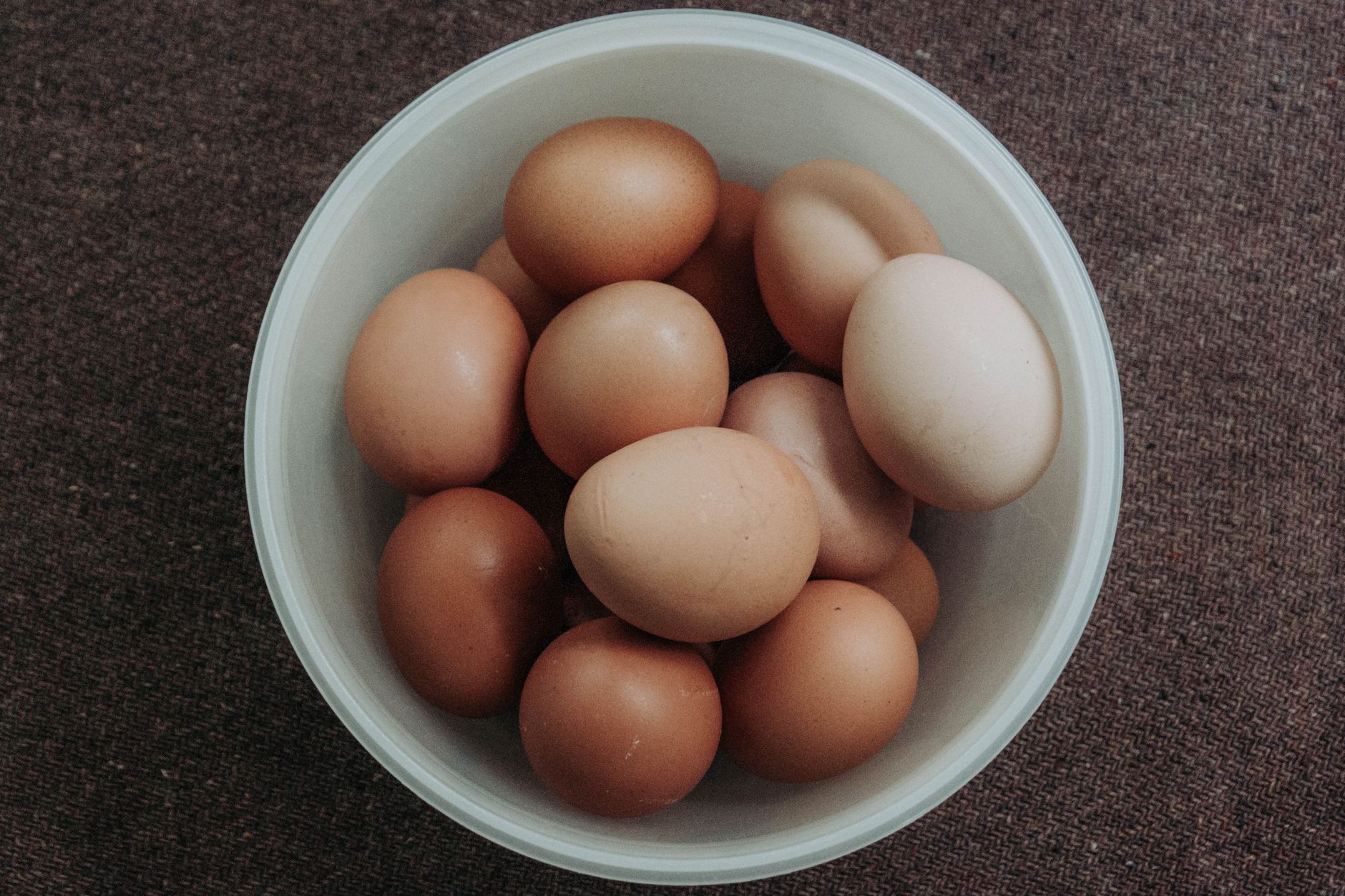
Understanding the nutritional content of eggs, particularly their carbohydrate content, is crucial for anyone looking to maintain a balanced diet. Eggs are widely recognized as a protein-rich food, but it’s also essential to know how they fit into your carbohydrate intake.
In this article, we will explore just how many carbs eggs contain, delve into their nutritional profile, and discuss their suitability for various dietary preferences. Whether you’re on a low-carb diet, need them for meal prep, or are simply curious about this versatile ingredient, this guide has you covered.
How Many Carbs Do Eggs Have?
Eggs contain a very minimal amount of carbohydrates. A large egg typically has about 0.6 grams of carbs. This low carbohydrate content makes eggs an excellent choice for low-carb and ketogenic diets, allowing you to enjoy a filling source of protein without significantly impacting your daily carb goals.
Nutritional Profile of Eggs
Beyond just considering carbs, it’s important to appreciate the overall nutritional profile of eggs. Here’s a breakdown of what a large egg typically contains:
- Calories: 70-80 kcal
- Protein: 6 grams
- Fat: 5 grams
- Carbohydrates: 0.6 grams
- Fiber: 0 grams
- Sugars: 0.5 grams
- Vitamins: A, D, E, B12, riboflavin, folate, and more
- Minerals: Iron, phosphorus, and selenium
Portion Sizes and Carbohydrate Count
When considering how many carbs are in eggs, portion size plays an important role. A typical serving of eggs for breakfast might include two large eggs, totalling 1.2 grams of carbohydrates. Using this as a baseline, it’s clear that even when enjoyed in larger quantities, the carbohydrate impact remains minimal.
Cooking Methods and Their Impact on Nutrition
Different cooking methods do not significantly alter the carbohydrate content of eggs. However, the way you prepare them can affect their caloric and fat content. Here are some common cooking methods with considerations for their nutritional impacts:
Boiling
Hard-boiled and soft-boiled eggs keep their nutritional profile intact. They remain low in calories, fat, and carbs while being an excellent source of protein.
Frying
Fried eggs can increase the overall calorie and fat content, depending on the cooking oil used. The carb count remains mostly unchanged. For healthier frying, consider olive oil or cooking spray.
Scrambling
When making scrambled eggs, the addition of milk or cream will increase calories and fat, but again, the carbohydrate amount will stay low. A standard serving of scrambled eggs (two eggs) still yields around 1.2 grams of carbohydrates.
Baking
When incorporating eggs into baked goods, the carbohydrate content of the final product will depend largely on the other ingredients used. While the egg itself contributes negligible carbs, ingredients like flour and sugar can add significant amounts.
Dietary Preferences and Egg Consumption
Eggs are often embraced across various dietary preferences and restrictions due to their versatility. Here’s how they fit into several common dietary plans:
Lose Fat and Low-Carb Diets
With only 0.6 grams of carbs per egg, they are excellent for low-carb and ketogenic diets, allowing individuals to maintain energy levels while keeping carbs in check.
Paleo Diet
Eggs are a staple in the paleo diet, making them suitable for those seeking whole, unprocessed foods. They are considered a great source of protein and nutrients.
Vegetarian Diets
While eggs are not vegan, they are a common protein source in vegetarian diets. They provide essential amino acids and various vitamins while keeping carbohydrate intake low.
Gluten-Free Diets
Eggs are naturally gluten-free, making them an ideal choice for those with gluten intolerances or celiac disease.
Practical Uses of Eggs in Meal Planning
Eggs are not only nutritious but also extremely versatile. Here are some practical ideas to incorporate eggs into your meal planning:
Breakfast
- Omelettes with vegetables and cheese
- Scrambled eggs with spices and herbs
- Hard-boiled eggs for on-the-go snacks
Lunch
- Egg salad on whole-grain bread
- Deviled eggs as a side dish
- Quiche with spinach and cheese
Dinner
- Shakshuka with tomatoes and spices
- Frittatas packed with vegetables
- Baked eggs in avocado for a healthy meal
Upgrading Your Egg Experience
Although eggs are generally low in carbs and high in protein, various upgrade options can enhance their nutritional profile and flavor:
Seasoning and Flavoring
Add herbs, spices, or a touch of hot sauce to elevate the flavor without adding carbs. Ingredients like chives, paprika, and garlic powder work well.
Add-ins for Extra Nutrition
Incorporating vegetables such as spinach, mushrooms, or bell peppers can boost fiber and nutrient intake without significantly raising carbohydrates.
Cheese Variations
If you enjoy dairy, consider mixing in cheese for additional flavor and protein. Just remember to be mindful of the extra fat and calories.
Common Mistakes When Cooking Eggs
Though eggs are straightforward to cook, there are some common pitfalls to avoid:
- Overcooking: This can lead to a rubbery texture. Aim for soft, creamy eggs, especially for scrambled or fried.
- Skipping the oil or butter: For frying or scrambling, a small amount of fat helps prevent sticking and adds flavor.
- Not seasoning early: Season with salt and pepper while cooking for better flavor integration.
Storage Tips for Eggs
Proper storage of eggs is important for maintaining their freshness and safety:
- Store eggs in their original carton in the refrigerator.
- Keep them on a middle shelf rather than the fridge door for better temperature stability.
- Check the sell-by date and use eggs within three to five weeks of purchase for the best quality.
Reheating and Cooking with Leftover Eggs
If you make a large batch of scrambled eggs or a frittata, it’s important to reheat them safely:
- Reheat leftover eggs in the microwave on a low setting to prevent them from becoming rubbery.
- Heat in a skillet over low heat, adding a splash of milk or water to keep them moist.
Conclusion
Eggs are an incredibly versatile and nutritious food with a minimal carbohydrate content of about 0.6 grams per large egg. They can be enjoyed in a myriad of ways, fitting seamlessly into various dietary preferences. Whether you’re planning meals or simply looking for healthy snacks, eggs should definitely be a go-to option in your kitchen.
If you’re interested in exploring what else you can do with eggs, check out our detailed guide on how many carbs are in eggs and discover more about the nutritional value in our article on how many calories in 2 scrambled eggs. Happy cooking!