
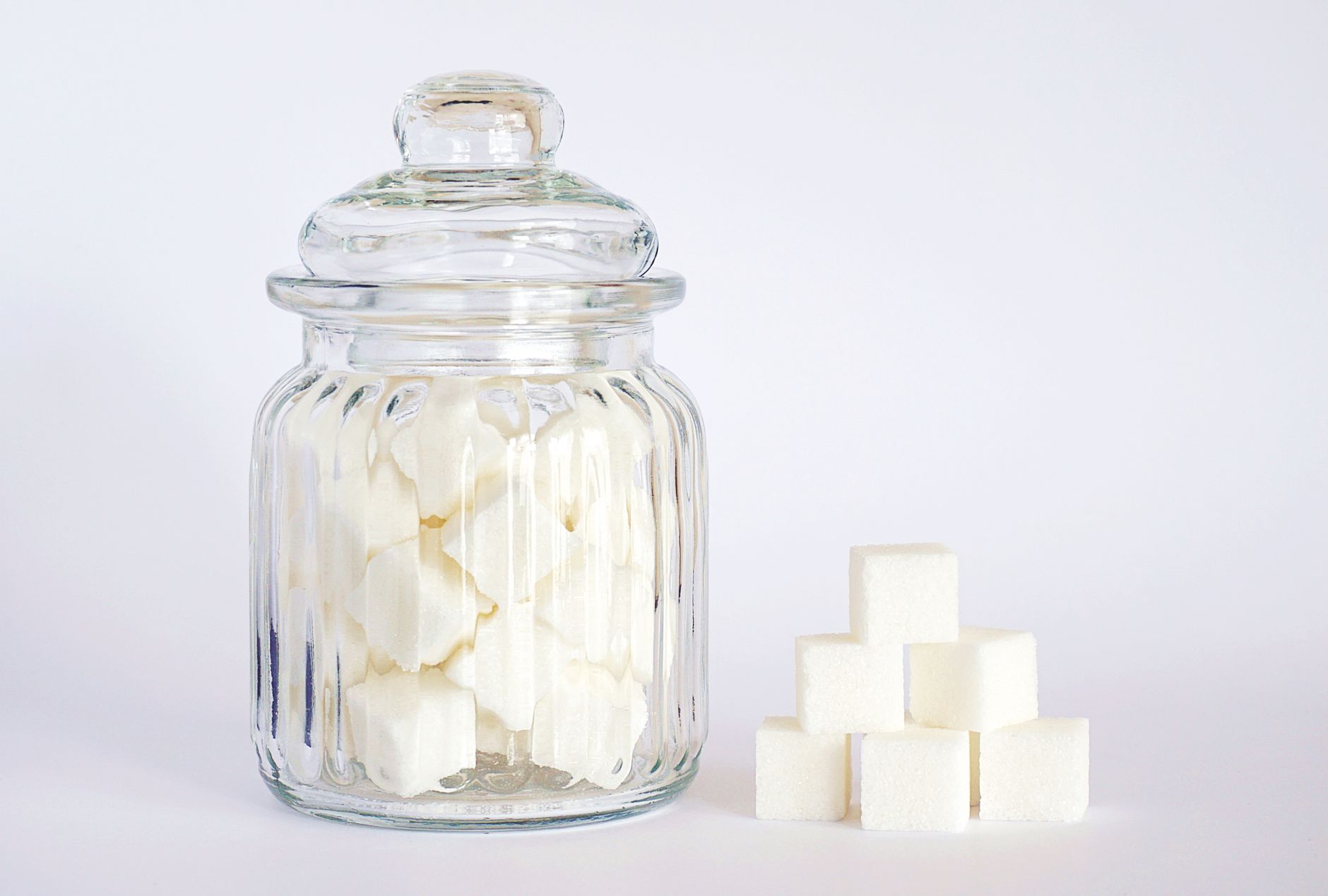
Splenda is a popular artificial sweetener that many people use as an alternative to sugar. As individuals look to reduce calories and sugar intake, understanding Splenda’s nutritional content is crucial. One common question arises: does Splenda have calories? This article provides insights into the calorie content of Splenda, its usage, and its nutritional profile.
Whether you are baking, sweetening your coffee, or looking for ways to cut calories, knowing how Splenda fits into your diet can help you make informed decisions. Let’s delve deeper into what Splenda is, its calorie content, and how it can be used effectively.
Does Splenda Have Calories?
Splenda, or sucralose, is marketed as a no-calorie sweetener. It contains significantly fewer calories than sugar, as it passes through the body without being absorbed. This makes it a popular choice for those aiming to reduce calorie intake without sacrificing sweetness.
What Is Splenda?
Splenda is a brand name for sucralose, an artificial sweetener derived from sugar. The process involves chemically altering sugar with chlorine, making it much sweeter—about 600 times sweeter than regular sugar. Because of its intense sweetness, only a small amount is needed to achieve the desired taste, contributing to its low-calorie profile.
Nutritional Profile of Splenda
Understanding the nutritional profile of Splenda helps you navigate its use in your diet. Below is a breakdown of Splenda’s primary components:
- Calories: 0 calories per serving
- Carbohydrates: 0 grams per serving
- Sugars: 0 grams
- Fat: 0 grams
- Protein: 0 grams
One packet of Splenda typically equates to two teaspoons of sugar in sweetness. This means you can enjoy sweet flavors without adding extra carbohydrates or calories to your meals.
How Is Splenda Used?
Splenda is versatile and can be used in various applications, including cooking and baking, sweetening beverages, and enhancing the flavor of foods. Here are common ways to incorporate Splenda:
1. Beverages
A popular use for Splenda is sweetening beverages such as coffee, tea, smoothies, or flavored water. Since it is significantly sweeter than sugar, start with a small amount and adjust based on your taste preference.
2. Baking
When baking, you can substitute sugar with Splenda in a variety of recipes. However, it’s important to note that because Splenda does not provide the same bulk or texture as sugar, its use may alter the final product.
3. Sauces and Dressings
Splenda can also be used in homemade sauces, dressings, and marinades to add sweetness without the calories. It blends well with both savory and sweet dishes.
Advantages of Using Splenda
There are several benefits associated with using Splenda as a sugar substitute:
- Calorie Control: Since Splenda has no calories, it aids in weight management when offsetting sugar intake.
- Diabetic-Friendly: Splenda does not affect blood glucose levels as sugar does, making it suitable for people with diabetes.
- Versatility: Splenda can be used in both hot and cold dishes, allowing for a wide range of culinary applications.
- Dental Health: Unlike sugar, Splenda does not contribute to tooth decay.
Potential Concerns of Using Splenda
While Splenda is generally considered safe, some individuals may have concerns. Here are a few considerations:
1. Digestive Issues
Some people may experience digestive discomfort when consuming sucralose, including bloating or gas. It’s important to monitor your body’s reactions when trying any new sweetener.
2. Taste Preference
The taste of Splenda can vary from that of traditional sugar, which some people may find more artificial. Experimenting with different sweeteners may help those struggling to adjust.
Cooking and Baking with Splenda
Using Splenda in cooking and baking can take some adjustment. Here is a guide on how to successfully substitute sugar with Splenda in recipes.
Substitution Ratios
When substituting sugar with Splenda, use the following ratio:
- 1 cup of sugar = 1/4 cup of Splenda Granulated Sweetener.
Granulated Splenda is often used as a direct sugar substitute in many recipes. Splenda also comes in a brown sugar variant, which can better replicate the texture and flavor of brown sugar in certain dishes.
Tips for Baking with Splenda
- Due to Splenda’s different chemical properties, it may be beneficial to add a bit of moisture (like applesauce or yogurt) to your recipes to create a soft texture.
- Adjust baking times. When using Splenda, baked goods may brown differently than with sugar, so keep an eye on your baking.
- Use recipes specifically designed for Splenda when possible, as they have accounted for the unique properties of the sweetener.
Common Mistakes When Using Splenda
As with any ingredient, there are pitfalls to avoid when using Splenda:
- Over-sweetening: Since Splenda is much sweeter than sugar, too much can lead to an overly sweet product.
- Neglecting Volume: Remember that sugar provides bulk. Adding more dry ingredients or adjusting heat may be necessary when substituting.
- Ignoring Cooling Effects: Baked goods made with Splenda may cool differently than those made with sugar, requiring careful time management in the oven.
How Does Splenda Compare to Other Sweeteners?
In addition to Splenda, there are several other artificial sweeteners and natural sugar alternatives available. Here’s a brief comparison:
1. Stevia
Stevia is a natural sweetener derived from the leaves of the Stevia plant. While it also contains no calories, some people find its flavor to be herbal or licorice-like.
2. Aspartame
Aspartame is another common artificial sweetener that is low in calories but can have a distinct taste that some people dislike. It is found in many diet sodas and sugar-free products.
3. Erythritol
Erythritol is a sugar alcohol with zero calories. It can provide bulk and a sugar-like texture but may cause digestive issues for some individuals.
Final Thoughts on Splenda
Splenda can be a fantastic tool for those looking to reduce sugar and calorie intake. Its calorie-free nature, coupled with its versatility in culinary applications, makes it a go-to for many. However, it’s essential to experiment and understand how it interacts with different recipes and personal preferences.
If you’re considering making the switch to using Splenda, start by substituting it in your favorite beverages or less complex recipes. Gradually build up to more intricate dishes as you become accustomed to its properties. Ultimately, finding the right balance will help you enjoy a variety of foods without compromising flavor or health goals.
If you’re looking for creative ways to use Splenda in your meals or want to explore more healthy recipes, consider trying our coconut milk chia pudding recipe or learn how long to cook turkey per pound. These links will provide you with more delicious and health-conscious cooking ideas.