
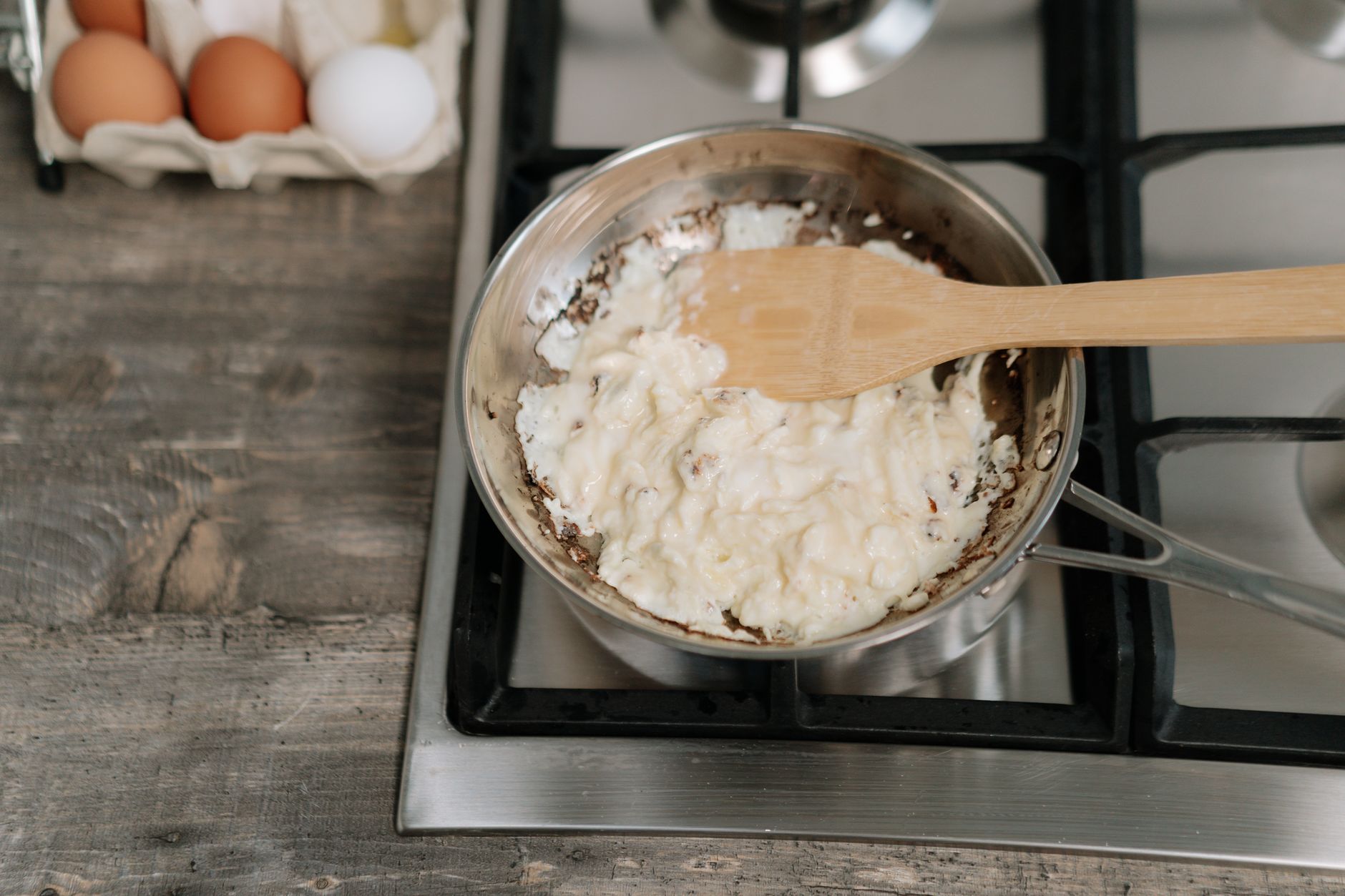
Understanding the nutritional aspects of our meals is essential for healthy eating, and eggs are a common and versatile component in many diets. Scrambled eggs, in particular, are a popular breakfast option known for their creamy texture and richness. If you’ve ever wondered about the caloric content of this simple dish, particularly two scrambled eggs, you’re in the right place.
This article will explore not only the calorie count of two scrambled eggs but also delve into their nutritional profile, preparation methods, and tips for creating a delicious and balanced meal.
How Many Calories Are in 2 Scrambled Eggs?
Two scrambled eggs typically contain about 140 to 160 calories. This calorie count can vary based on the size of the eggs and any additional ingredients used in the cooking process, such as butter or milk. Whole eggs are rich in protein and healthy fats, making them a satisfying meal choice.
The Nutritional Profile of Scrambled Eggs
When analyzing the caloric content of scrambled eggs, it’s important to consider other nutritional factors that contribute to their overall value. Here’s a breakdown of what you can expect from two large scrambled eggs:
- Calories: 140 – 160
- Protein: Approximately 12 grams
- Fat: About 10 grams
- Carbohydrates: Less than 2 grams
- Sodium: Around 140 milligrams
- Cholesterol: Approximately 370 milligrams
This nutritional content indicates that scrambled eggs are primarily composed of protein and fat, with very few carbohydrates. They’re particularly popular among those following low-carbohydrate diets.
Factors Influencing Caloric Content
While the base calorie count for two scrambled eggs is relatively stable, several factors can affect this number:
1. Egg Size
The size of eggs plays a critical role in their caloric content. Standard classifications for eggs include small, medium, large, and extra-large. A large egg typically contains about 70 calories, while smaller eggs have fewer calories.
2. Cooking Method
The method and ingredients used during cooking can also influence the final caloric count. For example, scrambling eggs in butter will add additional calories compared to using a non-stick spray or cooking them in water.
3. Additions and Variations
Adding ingredients such as cheese, cream, or vegetables will increase the caloric content. For instance, a sprinkling of cheese can add about 50 calories, while adding sautéed mushrooms or spinach will contribute fewer calories but enhance flavor and nutrients.
Common Ways to Prepare Scrambled Eggs
Scrambled eggs are easy to prepare and offer several variations based on personal preference. Here are some common methods:
Basic Scrambled Eggs
- Crack 2 large eggs into a bowl.
- Whisk the eggs until the yolks and whites are fully combined.
- Heat a non-stick skillet over medium heat and add a small amount of butter or oil.
- Pour in the eggs and let them sit for a few moments until the edges start to set.
- Gently stir the eggs with a spatula, pushing them from the edges to the center.
- Continue to cook until the eggs are softly set but slightly still runny; remove from heat.
Cheesy Scrambled Eggs
- Follow the basic scrambled egg recipe.
- When the eggs are almost cooked, stir in a handful of shredded cheese—cheddar, mozzarella, or feta work well.
- Cook until the cheese is melted and eggs are fully set.
Vegetable Scrambled Eggs
- Begin by sautéing vegetables like bell peppers, onions, or spinach in olive oil in a pan until tender.
- Add the whisked eggs as described in the basic method.
- Stir gently to combine the eggs with the vegetables, cooking until set.
Common Mistakes When Scrambling Eggs
Even a seemingly simple dish like scrambled eggs can go awry. Here are some common mistakes to avoid:
- Overcooking: Scrambled eggs should be soft and creamy. Remove them from heat when they’re still slightly undercooked, as they will continue to cook off the heat.
- Too Much Heat: Cooking eggs on high heat can lead to rubbery textures. Always use medium or medium-low heat for the best results.
- Not Whisking Enough: Properly whisking the eggs ensures a uniform texture. Make sure to incorporate air for fluffier eggs.
Tips for Making Delicious Scrambled Eggs
Here are some tips to enhance the flavor and texture of your scrambled eggs:
- Consider adding a splash of milk or cream to the eggs before whisking for extra creaminess.
- Experiment with seasonings like salt, pepper, paprika, or fresh herbs to elevate the flavors.
- For fluffier eggs, allow the whisked eggs to rest at room temperature for about 10 minutes before cooking.
Storage and Reheating Guidance
If you have leftover scrambled eggs, it’s best to store them properly to maintain their taste and texture:
- Storage: Transfer cooled scrambled eggs to an airtight container and refrigerate. They should be consumed within 3 to 4 days.
- Reheating: Reheat scrambled eggs gently in a skillet over low heat. You can also use the microwave in short bursts, stirring often to heat evenly.
Substitutions and Variations
Making scrambled eggs doesn’t have to be limited to traditional methods. Consider these substitutions to align with dietary preferences or to simply change things up:
- Egg Whites: For a lower-calorie option, use egg whites. Two large egg whites contain about 34 calories.
- Plant-Based Milk: If you want to avoid dairy, substitute with almond milk, soy milk, or oat milk.
- Vegan Eggs: Products like tofu scramble can be an alternative for those following a vegan diet, delivering similar flavors and textures.
Serving Suggestions
Scrambled eggs can be enjoyed alone or served alongside a variety of dishes. Consider these complementary options:
- Toast: Serve with whole-grain or sourdough toast for a hearty breakfast.
- Salad: Top a fresh salad with scrambled eggs for added protein.
- Breakfast Burritos: Wrap scrambled eggs, cheese, and vegetables in a tortilla for a portable meal.
Conclusion
Scrambled eggs serve as a nutritious and satisfying choice, providing protein and essential nutrients in a small package. With simple modifications, you can keep your scrambled eggs interesting and tailored to your preferences. Whether you are counting calories or simply looking to enjoy a delicious breakfast, understanding the nutritional content helps you make informed choices.
For more insights on calorie contents and related topics, explore related recipes on our blog such as how many calories in 2 scrambled eggs or how many carbs are in eggs. Embrace the versatility of eggs in your cooking today!