
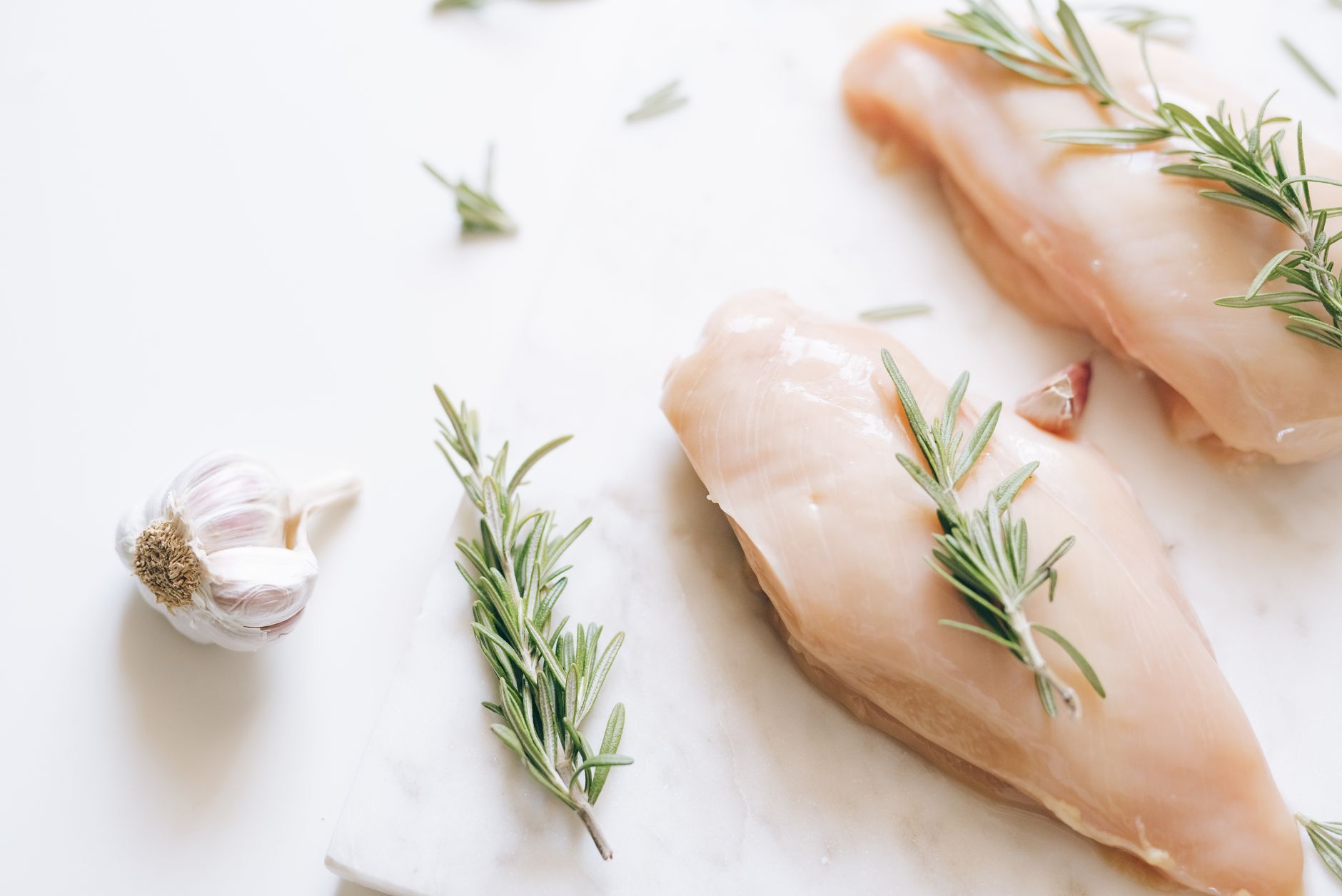
Understanding the classification of chicken breast as white meat can help home cooks make informed decisions in the kitchen. This distinction carries implications for flavor, cooking methods, and culinary pairings. Whether you’re preparing a simple weeknight dinner or an elaborate meal, knowing why chicken breast is categorized as white meat can enhance your cooking experience.
In this article, we will delve into the characteristics of chicken breast, its nutritional profile, cooking techniques, and some handy tips for preparing delicious meals. This comprehensive guide is tailored for anyone looking to optimize their culinary skills with chicken breast.
Is Chicken Breast White Meat?
Yes, chicken breast is classified as white meat. This classification is based on the amount of myoglobin present in the muscle. Myoglobin is a protein that carries oxygen in muscle tissues, and higher levels of myoglobin are generally found in dark meats, such as chicken thighs and drumsticks. White meat typically has a lighter color and is less fatty than dark meat, making chicken breast a popular choice for many health-conscious eaters.
Characteristics of Chicken Breast
Chicken breast is a lean cut of poultry that is favored for its mild flavor and versatile cooking options. It contains less fat compared to other parts of the chicken, and its texture is tender and easily absorbent of flavors from seasonings, marinades, and sauces.
Nutritional Profile
Chicken breast is an excellent source of protein, making it a frequently chosen ingredient for those focused on muscle building and weight loss. A skinless, cooked chicken breast (approximately 100 grams) contains around:
- 165 calories
- 31 grams of protein
- 3.6 grams of fat
- 0 grams of carbohydrates
- 0 grams of fiber
Additionally, chicken breast is high in vitamins, including B vitamins, which are important for metabolism and energy production. It also contains minerals such as phosphorus and selenium.
Cooking Techniques for Chicken Breast
Several cooking techniques can be utilized to prepare chicken breast, allowing for diverse meal options. Below are a few popular methods:
Grilling
Grilling chicken breast gives it a delightful char and smoky flavor. Here’s how to grill chicken breast effectively:
- Marinate the chicken for at least 30 minutes to enhance flavor and juiciness.
- Preheat the grill to medium-high heat.
- Cook the chicken for about 6-8 minutes on each side, or until the internal temperature reaches 165°F (75°C).
- Let the chicken rest for a few minutes before slicing to retain juices.
Oven Baking
Baking chicken breast in the oven is a hands-off method that ensures even cooking. Here’s a simple procedure:
- Preheat your oven to 375°F (190°C).
- Place seasoned chicken breasts in a baking dish, potentially adding vegetables for a complete meal.
- Bake for 25-30 minutes, or until the chicken reaches an internal temperature of at least 165°F (75°C).
- Allow to rest for a few minutes before serving.
Stovetop Searing
Searing chicken breast on the stovetop yields a flavorful crust. Follow these steps:
- Heat a skillet over medium-high heat and add oil.
- Season the chicken breast and place it in the skillet.
- Sear for about 5-7 minutes without moving it, until golden brown.
- Flip the chicken and lower the heat, covering the skillet, cooking for an additional 10-12 minutes until fully cooked.
Common Mistakes and Troubleshooting
Cooking chicken breast can present some challenges. Here are common mistakes to avoid and tips for troubleshooting:
- Overcooking: Chicken breast can easily become dry if overcooked. Use a meat thermometer to check for doneness.
- Flavorlessness: Many cooks skip marinades or seasoning. Don’t hesitate to use bold flavors to enhance the mild taste.
- Cold Center: If chicken is unevenly cooked, consider pounding it to uniform thickness before cooking.
Practical Storage and Reheating
Proper storage is essential for maintaining the quality of chicken breast:
Storage
Raw chicken should be stored in the coldest section of the refrigerator at 40°F (4°C) or lower and can last for 1-2 days. If not used within that time, it’s best to freeze chicken breast.
- Frozen chicken breast can last for up to six months.
- To freeze, wrap it tightly in plastic wrap or foil and then place it in an airtight container or freezer bag.
Reheating
When reheating cooked chicken breast, aim to preserve moisture:
- Use an oven set at 350°F (175°C) and cover with foil to prevent drying out.
- If using a microwave, add a splash of broth and cover with a microwave-safe lid to keep the chicken succulent.
Ingredient Variations and Substitutions
Chicken breast is versatile, making it easy to substitute in various recipes. If you need alternatives, consider the following:
- Turkey Breast: Similar flavor, slightly denser texture; suitable for recipes requiring large chunks.
- Tofu or Tempeh: For a vegetarian option with comparable protein; great in stir-fries or salads.
- Pork Tenderloin: While differing in flavor, it can be used in most chicken breast recipes where the cooking time is adjusted.
Flavor Pairing with Chicken Breast
To bring out the best flavors in chicken breast, consider the following pairings:
- Herbs: Fresh herbs like rosemary, thyme, basil, and parsley work wonderfully.
- Spices: Common spices include paprika, cumin, and black pepper for added depth.
- Sauces: Creamy sauces, barbecue, or even a light vinaigrette enhance the dish’s flavor.
Meal Ideas Featuring Chicken Breast
Here are some practical meal ideas that highlight chicken breast:
- Grilled Chicken Salad: Slice grilled chicken over a mixed green salad with vinaigrette.
- Baked Chicken Breast with Vegetables: Roasted alongside seasonal veggies for a complete meal.
- Chicken Stir-Fry: Quick and colorful combination of chicken and vegetables tossed in a savory sauce.
- Chicken Breast Tacos: Shred and fill corn tortillas with toppings like avocado, salsa, and cheese.
Conclusion
Chicken breast is a highly versatile white meat option that can serve as the centerpiece of many meals. From grilling to baking, several cooking techniques enhance its naturally mild flavor. With the right seasonings and cooking practices, you can make flavorful and nutritious dishes easy for any day of the week.
To expand your culinary skills with chicken, consider exploring more cooking methods or recipes. Check out our guides on freezing cooked chicken and making chicken stock for additional insights and tasty options.