
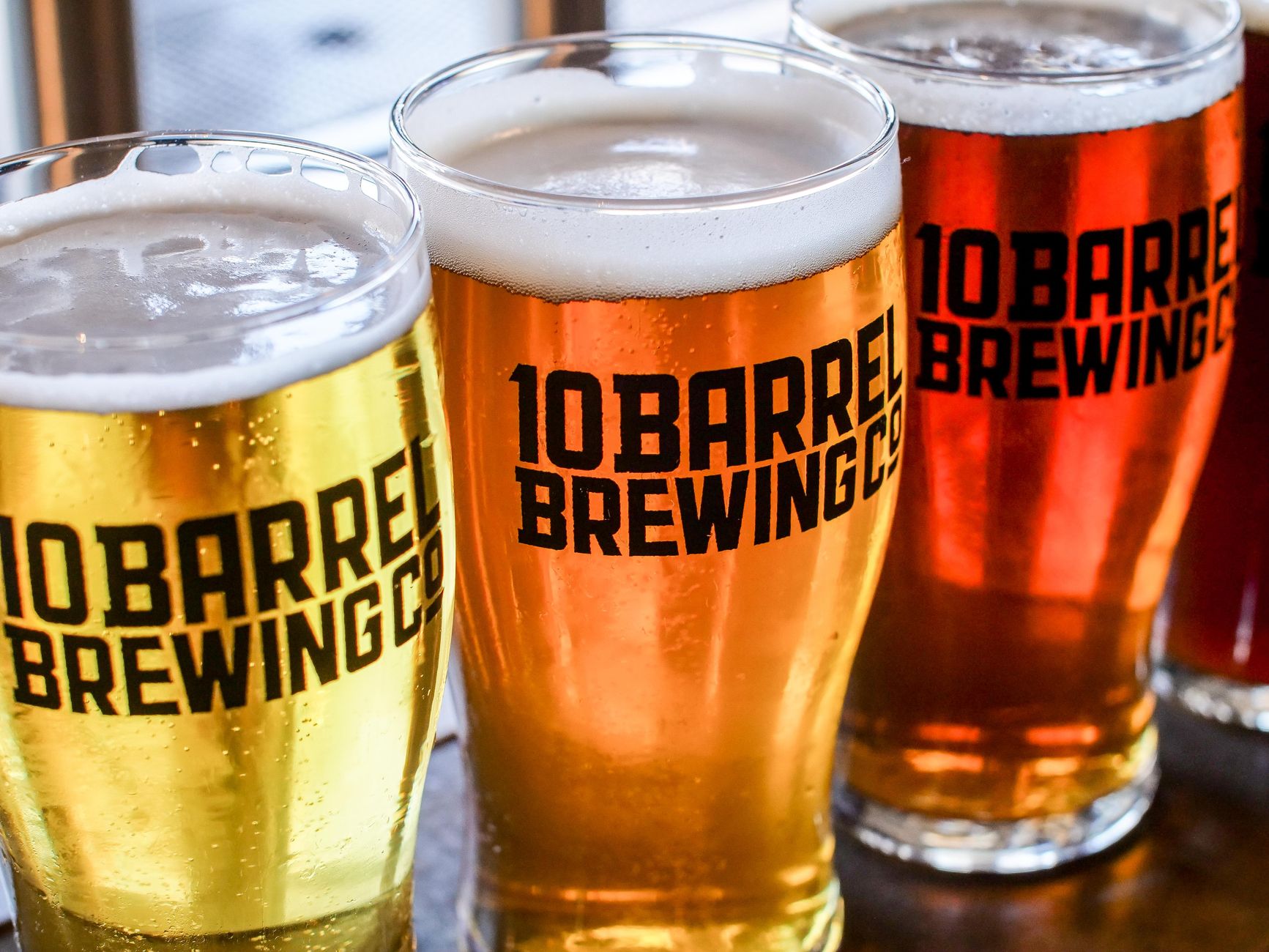
Imperial IPAs are a popular style of beer known for their high alcohol content and bold flavors, making them a favorite among craft beer enthusiasts. Often brewed with an increased amount of hops and malts, these beers deliver a strong taste and complexity that can enhance various culinary experiences.
In this article, we will explore what an Imperial IPA is, its tasting notes, texture, and how it can be creatively used in the kitchen, particularly in pairing and cooking applications.
What Is an Imperial IPA?
An Imperial IPA, also known as a Double IPA, is a strong beer that typically has an alcohol by volume (ABV) of 7.5% to 10% or more. This style emerged from the American craft beer scene in the 1990s and has quickly gained popularity.
The Imperial IPA is characterized by its intense hop flavor, often featuring a range of aromas from floral and citrus to tropical fruit and resinous notes. This balanced yet assertive profile makes it suitable for both sipping and cooking.
Taste Profile of Imperial IPA
The taste of an Imperial IPA is complex, offering a delightful blend of sweet maltiness and hoppy bitterness. Understanding its flavor components will help you appreciate the nuances this beer can bring, not only in your glass but also on your plate.
Hop Varieties
- American Hops: Often used in Imperial IPAs, American hops like Cascade, Centennial, and Citra impart citrus, pine, and tropical fruit aromas.
- English Hops: Varieties such as Fuggle and East Kent Goldings can add earthy, herbal notes.
- New World Hops: Australian and New Zealand hops can contribute unique flavors such as passion fruit and lychee.
Malt Characteristics
Imperial IPAs typically use a variety of malts to balance the hop profile. The most common malts include:
- Pale Malt: Forms the backbone of the beer with a light biscuit or bread-like flavor.
- Caramel/Crystal Malt: Adds sweetness and body, contributing caramel and toffee notes.
- Specialty Malts: May include darker malts that provide roasted flavors, enhancing complexity.
Texture and Mouthfeel
When it comes to mouthfeel, Imperial IPAs can vary. They often have a medium to full body, providing a satisfying experience due to their higher malt content. The carbonation is typically moderate to high, contributing to a crisp finish. The smoothness of the beer can also enhance its drinkability despite its higher alcohol content.
Pairing Imperial IPA with Food
Pairing Imperial IPAs with food can elevate your dining experience. The bold flavors and aromas can complement or contrast with various dishes. Here are some suggestions:
Cheese Pairings
- Sharp Cheddar: The bold flavor of sharp cheddar pairs well with the hoppy bitterness.
- Blue Cheese: The creaminess and pungency of blue cheese are beautifully offset by the bitterness of an Imperial IPA.
- Gruyère: This nutty and slightly sweet cheese can add depth to the hoppy flavors.
Meat Dishes
- Grilled Steak: The robust flavors of grilled steak can stand up to the intensity of Imperial IPAs.
- Spicy Sausages: The beer’s bitterness can help cut through the richness of fatty sausages.
- Barbecue Ribs: The caramelization of BBQ balances the hoppy notes.
Seafood Pairings
- Grilled Shrimp: The sweetness of grilled shrimp works well with citrusy hop flavors.
- Spicy Tuna Tartare: The complexity of flavors in the tartare complements the beer’s bitterness.
- Fish Tacos: The freshness of the fish and toppings contrasts nicely with the hoppy notes.
Dessert Pairings
- Cheesecake: A New York-style cheesecake can handle the sweetness of an Imperial IPA.
- Chocolate Cake: The bitterness of chocolate can balance the sweetness of the beer.
- Fruit Tarts: The fruity notes in the tart can enhance tropical flavors in the beer.
Cooking with Imperial IPA
Not only can Imperial IPAs enhance your dining experience through pairing, but they can also be incredibly useful in the kitchen. Here are some creative ways to incorporate Imperial IPA into your cooking:
Marinades and Braises
Using Imperial IPA in marinades adds depth and complexity to meats. The bitterness helps tenderize and infuse flavor. Here’s how to create an IPA marinade:
- Ingredients:
- 1 cup Imperial IPA
- 2 tablespoons olive oil
- 3 cloves garlic, minced
- 1 tablespoon Dijon mustard
- 1 tablespoon brown sugar
- Salt and pepper to taste
- Instructions:
- In a bowl, whisk together all ingredients until well combined.
- Pour over your choice of meat and refrigerate for at least 2 hours, up to overnight.
- After marinating, cook the meat as desired, enhancing it with the flavors of the Imperial IPA.
Beer-Battered Dishes
Beer batter is a classic cooking method that yields a crispy, flavorful coating. Using Imperial IPA can switch up your traditional fish fry:
- Ingredients:
- 1 cup all-purpose flour
- 1 cup Imperial IPA
- 1 teaspoon baking powder
- Salt and pepper to taste
- Instructions:
- In a bowl, mix flour, baking powder, salt, and pepper.
- Gradually add Imperial IPA until you achieve a smooth batter.
- Dip fish or vegetables into the batter and deep-fry until golden and crispy.
Sauces and Reductions
Imperial IPAs can be used to create rich sauces or reductions. Try making a citrus-IPA reduction to drizzle over grilled meats:
- Ingredients:
- 1 cup Imperial IPA
- Juice of 1 lemon
- 1 tablespoon honey
- Salt and pepper to taste
- Instructions:
- In a saucepan, combine all ingredients and simmer over low heat.
- Allow the mixture to reduce by half until it thickens into a sauce.
- Drizzle this sauce over your choice of meat or vegetables before serving.
Soups and Stews
Add richness to soups and stews by incorporating a splash of Imperial IPA. The beer can add a deep flavor, especially in hearty dishes like chili or beef stew. Here’s a simple method:
- Ingredients:
- 1 lb beef, cubed
- 1 cup Imperial IPA
- 4 cups beef broth
- 2 carrots, diced
- 1 onion, chopped
- 2 garlic cloves, minced
- Salt and pepper to taste
- Instructions:
- In a pot, sauté onion and garlic until fragrant.
- Add beef and brown on all sides.
- Pour in Imperial IPA and beef broth, add carrots, and season with salt and pepper.
- Simmer on low for 1–2 hours until the beef is tender.
Common Pitfalls When Using Imperial IPA
When cooking with and pairing Imperial IPAs, avoid these common mistakes:
- Overpowering Flavors: Due to their strong profiles, ensure that you don’t pair Imperial IPAs with overly delicate foods that can be overwhelmed.
- Applying Too Much Heat: Cooking at a high temperature can cause the hops to create off-flavors, so always aim for a moderate heat.
- Ignoring Balance: When using in cooking, balance the richness with acidity or sweetness — consider adding citrus or honey.
Storage and Serving Tips
Storing your Imperial IPA correctly is key to maintaining its quality. Here are some tips:
- Temperature: Store Imperial IPAs in a cool, dark place, ideally between 45°F and 55°F (7°C – 13°C).
- Light Protection: Avoid exposure to light, especially fluorescent light, as it can skunk the beer.
- Serving Temperature: Serve slightly warmer than typical lagers, around 50°F to 55°F (10°C – 13°C), to fully appreciate the aromas and flavors.
Exploring the World of Imperial IPAs
As you explore Imperial IPAs, consider trying different varieties from various breweries. While some are brewed for maximum hop intensity, others may focus on a more balanced profile. Here are a few notable options:
- Stone Brewing: Stone IPA Double: Known for its hop-forward profile with pine and citrus notes.
- Dogfish Head: 90 Minute IPA: An IPA featuring a mix of caramel malts and a heavy dose of hops.
- Bell’s Brewery: Two Hearted Ale: A well-balanced option that is floral and piney with a robust malt backbone.
By expanding your knowledge of Imperial IPAs and their versatile uses, you can elevate your culinary experiences, whether you are cooking or pairing it with various dishes.
In your journey of exploring food and flavors, consider looking into the nuances of different culinary techniques, pairing guidelines, and beverage options to further enhance your meals.