
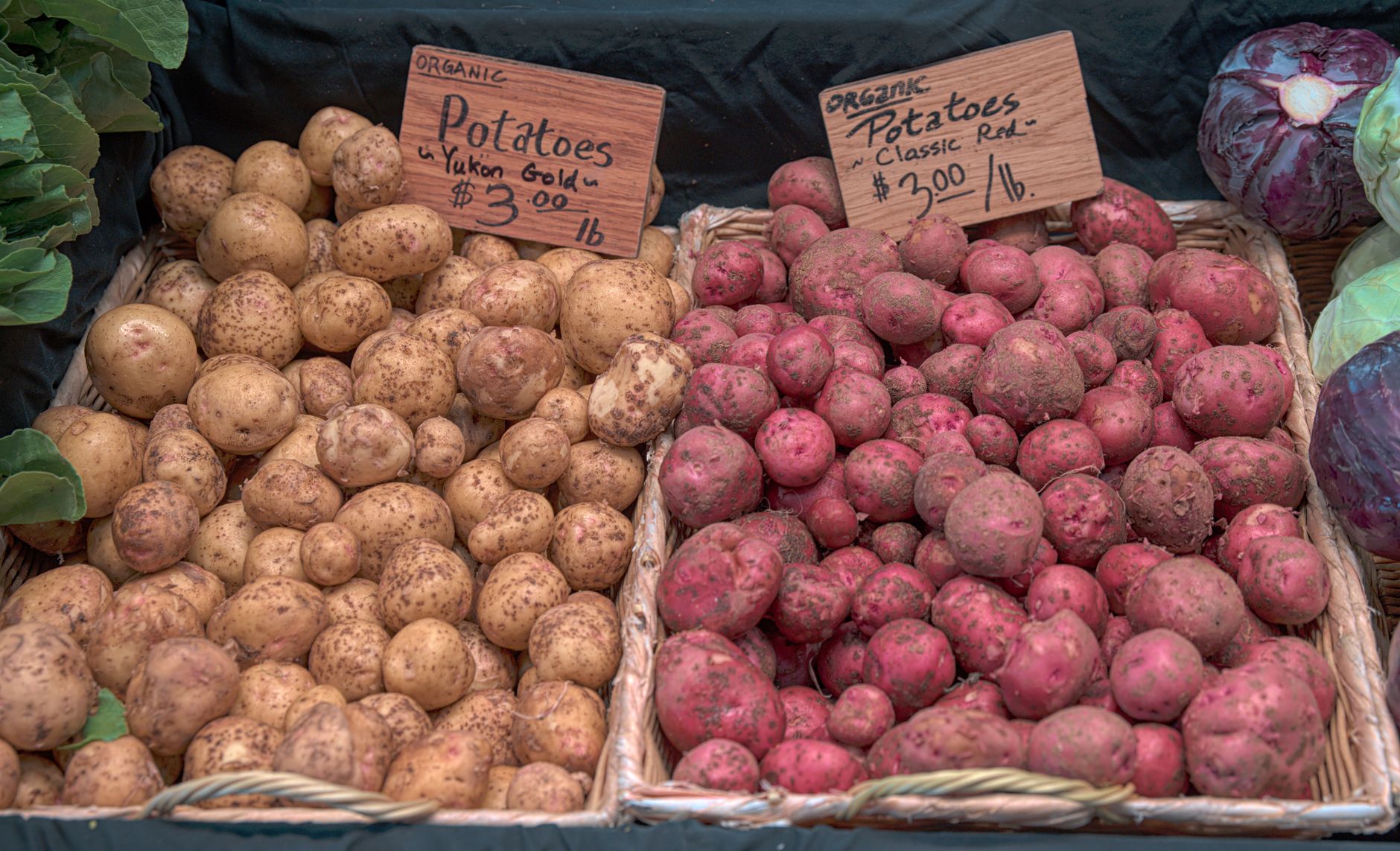
When navigating the world of potatoes, questions often arise about the distinctions between various types. One particularly common query is whether yellow potatoes and Yukon Gold potatoes are the same. Understanding their differences can help you choose the right type for your culinary needs.
In this guide, we will delve into the characteristics of yellow potatoes and Yukon Golds, examining their flavors, textures, and suitable cooking methods. You will also learn practical tips on how to select, store, and use these potatoes in your cooking endeavors.
Is Yellow Potato The Same As Yukon Gold?
No, yellow potatoes and Yukon Gold potatoes are not exactly the same, although Yukon Gold is a type of yellow potato. Yukon Golds are known for their unique flavor, creamy texture, and versatility in cooking. Other yellow potatoes may vary in characteristics and may not deliver the same results in dishes.
What Are Yellow Potatoes?
Yellow potatoes encompass a variety of potatoes with golden-hued skin and flesh. Their flavor is typically buttery and mildly sweet, making them a popular choice for various recipes. While there are many different yellow potato varieties available, the most common features include:
- Skin Color: Generally, yellow potatoes have thin, light yellow to golden skin.
- Flesh Color: The interior flesh varies from pale to vibrant yellow.
- Flavor: Yellow potatoes tend to have a creamy, buttery flavor, often making them a favorite in mashed potato recipes and side dishes.
What Are Yukon Gold Potatoes?
Yukon Gold potatoes are a specific type of yellow potato that originated in Canada. They have become widely popular due to their culinary versatility and excellent flavor, which sets them apart from other varieties. The primary characteristics of Yukon Gold potatoes include:
- Skin Color: Yukon Golds possess smooth, thin, yellow skin.
- Flesh Color: Their flesh is a bright yellow with a creamy texture.
- Flavor: Yukon Gold potatoes have a rich, buttery flavor that enhances a variety of dishes.
- Cooking Versatility: They are suitable for baking, boiling, frying, and mashing, making them a staple in many kitchens.
Key Differences Between Yellow Potatoes and Yukon Gold Potatoes
While all Yukon Gold potatoes are yellow potatoes, not all yellow potatoes are Yukon Golds. Here are some key differences:
- Variety: Yellow potatoes include a wide range of varieties, while Yukon Gold is a specific, well-known type.
- Flavor: Yukon Golds tend to have a richer, buttery flavor compared to some yellow potatoes, which may be milder.
- Texture: Yukon Golds have a creamier texture that holds up well to mashing, while some yellow potatoes may be waxier.
- Culinary Use: Yukon Golds are often favored for baking and mashing due to their consistency, while other yellow varieties may be better for specific recipes.
When to Use Yellow Potatoes vs. Yukon Golds
Choosing between yellow potatoes and Yukon Gold potatoes depends largely on the dish you’re preparing. Here’s a breakdown of when to use each type:
Using Yellow Potatoes
Yellow potatoes can be used in a variety of dishes, particularly when you want a mild flavor or need to maintain texture. Here are optimal ways to use yellow potatoes:
- Salads: Their waxy texture holds up well in potato salads, providing a satisfying bite.
- Boiling: They can be boiled and used in recipes where a firmer potato is beneficial.
- Skin-on Roasting: Yellow potatoes can be cut and roasted with the skin intact for a crispy texture.
Using Yukon Gold Potatoes
Yukon Golds are excellent for dishes requiring a creamy texture and rich flavor. Use them in the following ways:
- Mashing: Their creamy consistency makes them perfect for mashed potatoes.
- Baking: Yukon Golds bake beautifully, creating tender, flavorful potato dishes.
- Soups and Stews: They enhance the richness of soups and stews with their versatile cooking properties.
How to Select the Best Potatoes
Whether you’re choosing yellow potatoes or Yukon Golds, proper selection can enhance your cooking experience. Here are some tips:
- Appearance: Look for potatoes that are firm, smooth, and free from blemishes or sprouts.
- Size: Choose potatoes that are similar in size to ensure even cooking.
- Color: For Yukon Golds, select those with even, bright yellow skin for optimal flavor.
Storage Tips for Yellow and Yukon Gold Potatoes
Proper storage can help maintain the quality of both yellow and Yukon Gold potatoes, extending their shelf life. Follow these guidelines:
- Cool, Dark Location: Store potatoes in a cool, dark place to prevent sprouting and spoilage.
- Avoid Moisture: Keep potatoes in a ventilated container to reduce humidity and rot.
- Avoid Refrigeration: Refrigerating potatoes can lead to a change in flavor and texture.
Cooking Techniques for Potatoes
Different cooking techniques can yield various results when preparing potatoes. Here are some methods specifically for yellow and Yukon Gold potatoes:
Boiling Potatoes
- Wash potatoes and cut them into uniform pieces.
- Place in a pot, cover with water, and add salt.
- Bring to a boil, then reduce heat to simmer.
- Cook until tender, about 15-20 minutes for small pieces.
- Drain and use as desired.
Mashing Potatoes
- Boil potatoes until fork-tender.
- Drain and return to the pot.
- Add butter, cream, salt, and pepper to taste.
- Mash until smooth, adjusting consistency with more liquid as needed.
Roasting Potatoes
- Preheat your oven to 425°F (220°C).
- Cut potatoes into uniform cubes, toss with oil, salt, and herbs.
- Spread on a baking sheet in a single layer.
- Roast for 25-30 minutes, flipping halfway, until golden and crispy.
Practical Substitutions
If you’re in a pinch and need to substitute yellow potatoes or Yukon Golds in a recipe, here are some options:
- Red Potatoes: Can substitute for yellow potatoes in salads and roasting.
- Russet Potatoes: Can work in recipes typically suited for Yukon Golds but may result in a drier texture.
- Sweet Potatoes: Provide a different flavor profile but can be used in mash and bakes for added sweetness.
Common Mistakes When Cooking Potatoes
Even experienced cooks can run into pitfalls with potatoes. Here are common mistakes to avoid:
- Overcooking: Overcooked potatoes lose flavor and texture, leading to a mushy result.
- Not Seasoning: Failing to season water when boiling can lead to bland potatoes.
- Incorrect Storage: Storing in a fridge can alter flavor and texture, affecting your final dish.
Serving Suggestions
Both yellow potatoes and Yukon Golds can be paired with a variety of proteins and vegetables. Here are some ideas to inspire your meals:
- Roasted Chicken: Serve roasted potatoes alongside a herb-marinated chicken for a satisfying meal.
- Steaks: Yukon Gold mashed potatoes pair beautifully with grilled steaks and sautéed vegetables.
- Fish: Yellow potato salad complements grilled fish with a light lemon vinaigrette.
Make-Ahead Guidance
For busy weeknights, consider preparing potatoes in advance:
- Mash and Store: Prepare mashed potatoes ahead of time, refrigerate, and reheat when ready to serve.
- Potato Salads: Potato salads can be prepared a day ahead, allowing flavors to meld.
- Roasted Potatoes: Roast potatoes ahead of time and reheat in the oven for a quick side.
Conclusion
Understanding the nuances between yellow potatoes and Yukon Gold potatoes can elevate your cooking results and meal enjoyment. While they can often be interchanged, specific characteristics make them uniquely suited for various dishes. Always consider the flavor and texture profiles when selecting potatoes for your recipes.
For more culinary tips and exciting recipes, explore related guides that can enhance your cooking adventures, such as our delicious white sweet potato recipe and learn how to prepare mouthwatering loaded mashed potatoes.