
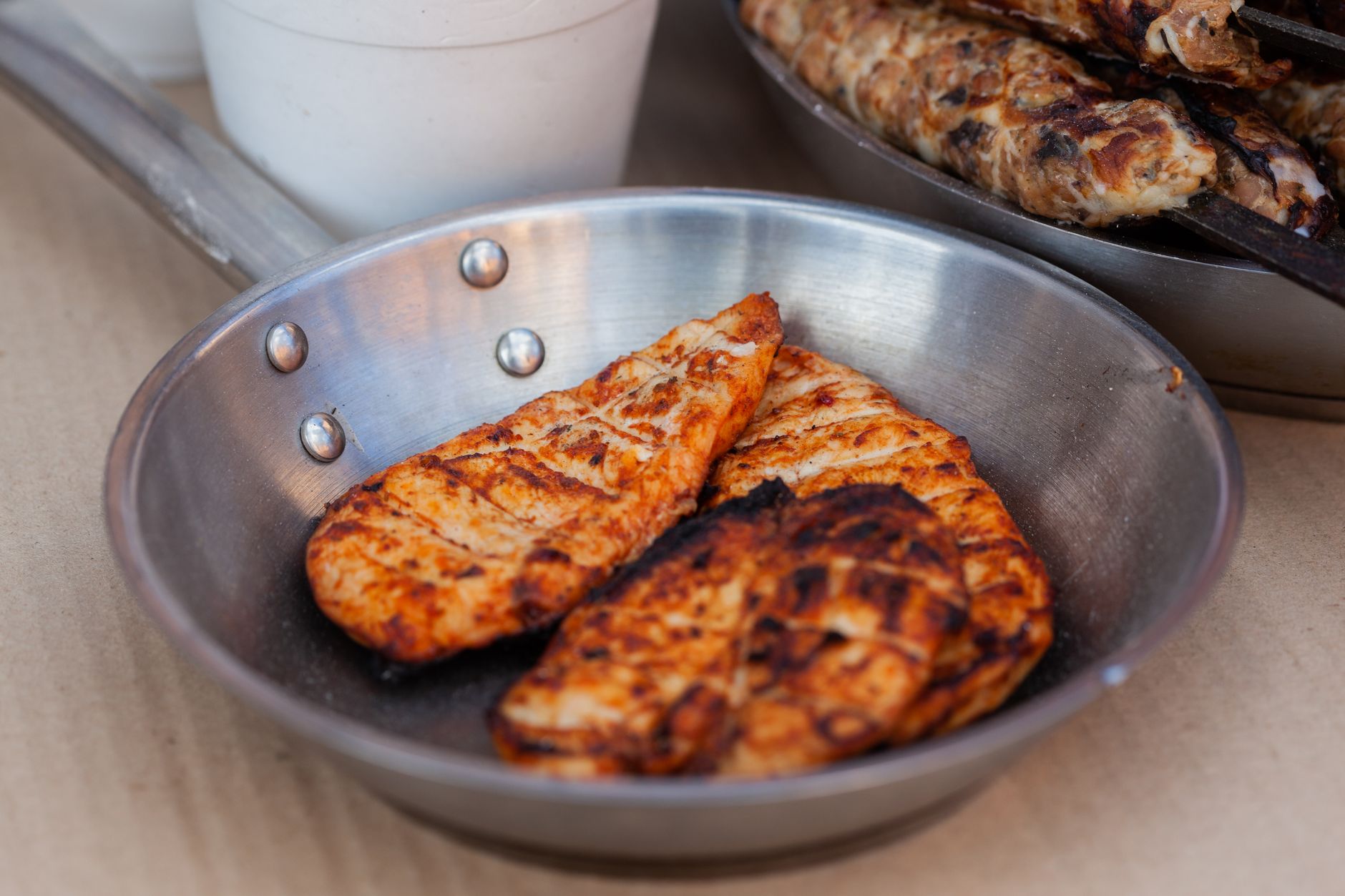
Blackened chicken is a deliciously spiced dish known for its bold flavors and crispy texture. However, many people wonder about its health implications. In this article, we will explore the nutritional aspects of blackened chicken, what makes it unique, and how portioning can play a crucial role in your diet.
Understanding the ingredients and cooking methods behind blackened chicken helps in evaluating its healthiness. We will provide insights into potential health benefits, possible concerns, and tips for preparation and serving for a balanced diet.
Is Blackened Chicken Healthy?
Blackened chicken can be a healthy choice when prepared properly. It typically features lean protein, spices, and healthy fats, making it a flavorful addition to a balanced meal. However, as with any dish, the overall healthiness can depend on the ingredients, cooking techniques, and portion sizes.
To truly appreciate the health benefits of blackened chicken, let’s break down its nutritional content and factors that contribute to or detract from its healthfulness.
Understanding Blackened Chicken
Blackened chicken is not merely a method of cooking chicken; it involves a specific culinary technique that dates back to the Cajun cooking traditions of Louisiana. The chicken is coated in a blend of spices before being seared in a hot skillet, creating a charred exterior while keeping the inside juicy.
The typical spice blend includes paprika, cayenne pepper, garlic powder, onion powder, thyme, and other spices, depending on the recipe. While the blackening process adds flavor and complexity, it can also contribute to the dish’s caloric content, particularly if excessive oil or butter is used.
Nutritional Profile of Blackened Chicken
The primary ingredients in blackened chicken can contribute positively to its nutritional profile:
- Chicken Breast: A good source of lean protein, essential for muscle repair and overall health. Skinless chicken breast has a low-fat content.
- Spices: Many spices used in blackening, such as paprika and cayenne, possess antioxidants and can have anti-inflammatory properties.
- Healthy Fats: If you use oils like olive oil for cooking instead of butter, it can increase the heart-healthy fat content.
Nutritional Concerns
While blackened chicken can be healthy, there are some potential concerns to consider:
- Sodium Content: Pre-made seasoning blends can be high in sodium. Consider preparing your own blend to control the salt content.
- Caloric Overload: Adding too much oil or butter during the cooking process can raise the calorie count significantly, so moderation is key.
- Acrylamide Formation: Cooking at high temperatures can result in the formation of acrylamide, a substance found in burnt or charred foods, which some studies suggest could pose health risks.
Portion Sizes and Serving Suggestions
How much blackened chicken you consume matters as much as the ingredients used. Understanding portion sizes can prevent overindulging while still enjoying the dish.
A typical serving of chicken breast is about 3 to 4 ounces cooked, which contains around 25-30 grams of protein. Pair it with side dishes that balance out the meal, such as:
- Steamed vegetables
- Brown rice or quinoa
- Salads with a light vinaigrette
- Whole-grain tortillas for blackened chicken tacos
Cooking Techniques for a Healthier Blackened Chicken
The method of cooking plays a significant role in the healthiness of blackened chicken. Here are some practical tips and techniques to enhance the health quotient:
- Choose Lean Cuts: Always opt for skinless chicken breast or thighs, as they contain less fat compared to other cuts.
- Control the Oil: Use only necessary oil for cooking. Consider using a non-stick pan to reduce the amount of fat required.
- Homemade Spice Blends: Create your own seasoning to minimize sodium and avoid preservatives. A basic blend includes paprika, garlic powder, onion powder, oregano, and a touch of cayenne.
Common Mistakes to Avoid
When preparing blackened chicken, avoid these common pitfalls to ensure a delicious, healthy meal:
- Using too much oil: Excess oil can lead to soggy chicken instead of a crispy exterior.
- Not preheating the pan: A hot skillet is essential for achieving the characteristic blackened crust.
- Ignoring internal temperature: Chicken should be cooked to an internal temperature of 165°F (75°C) for safety.
Health Benefits of Blackened Chicken
Besides being a flavorful dish, blackened chicken offers several health benefits when prepared mindfully:
- High Protein Content: Essential for muscle growth and repair, a protein-rich meal helps keep you full longer.
- Vitamins and Minerals: The spices used not only enhance flavor but also contribute vitamins, minerals, and antioxidants.
- Low Carb Option: Blackened chicken is a great option for those following low-carb or keto diets, as it is primarily protein-rich.
Making Blackened Chicken Healthier
There are various ways to enhance the healthiness of blackened chicken. Here’s how:
- Opt for Grilling: Grilling instead of pan-searing can reduce excess fat. It can also impart a smokier flavor.
- Use Fresh Herbs: Experiment with fresh herbs such as cilantro or parsley to add flavor without calories.
- Incorporate Vegetables: Add chopped vegetables to the pan during the last few minutes of cooking for a complete one-pan meal.
Making simple adjustments can elevate the health benefits while still delivering on taste and enjoyment.
Pairing Ideas to Enhance Nutritional Value
The right sides can elevate your blackened chicken experience, making it more nutritious while balancing flavors:
- Quinoa Pilaf: Combining quinoa with veggies creates a nutrient-rich grain side.
- Mixed Green Salad: A vibrant salad with a variety of colorful vegetables provides fiber and essential vitamins.
- Sweet Potato Mash: A healthier alternative to traditional mashed potatoes, sweet potatoes add nutrients and sweetness.
Storage and Reheating Tips
If you have leftovers, proper storage and reheating are crucial to maintaining quality and safety:
- Storage: Store blackened chicken in an airtight container in the refrigerator for up to 3-4 days.
- Freezing: For longer storage, you can freeze cooked blackened chicken. Thaw in the refrigerator before reheating.
- Reheating: Reheat in the oven or on the stovetop rather than the microwave to preserve flavor and texture.
Conclusion
Blackened chicken can be a healthy and satisfying part of your meal rotation when prepared thoughtfully. With its vibrant flavors and versatile serving options, it allows for creativity while also providing significant nutritional benefits. Remember to consider portion sizes and pairing suggestions to ensure a well-rounded, nutritious meal.
For more culinary tips, consider exploring recipes for freezing cooked chicken or creating a flavorful blackening seasoning at home.