
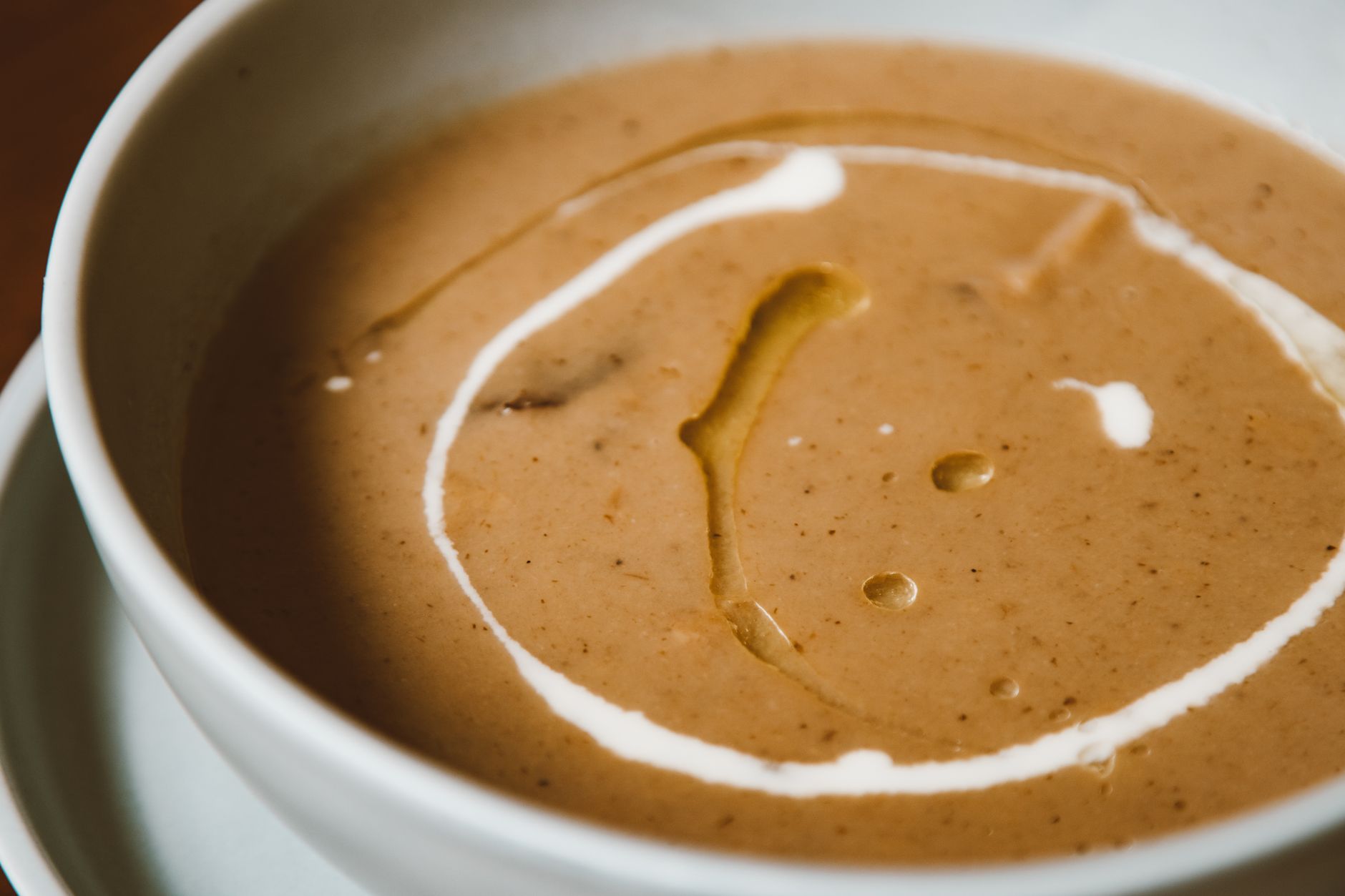
Ogbono is a traditional West African ingredient made from the ground seeds of the African wild mango, commonly known as Irvingia gabonensis. Widely used in Nigerian cuisine, it’s celebrated for its thickening properties and unique flavor. This article will explore what ogbono is, its ingredients, flavor profile, and best practices for serving it deliciously.
Ogbono is often used to make a rich, nutty soup that pairs wonderfully with various side dishes. Whether you’re looking to prepare an authentic Nigerian dish or simply curious about this intriguing ingredient, you’ve come to the right place.
What Is Ogbono?
Ogbono is the ground seeds of the African wild mango, known for their thickening abilities when added to soups and stews. The seeds are harvested, dried, and ground into a powder. In West African cuisine, particularly in Nigeria, ogbono is a staple thickener and adds a slightly nutty, earthy flavor to dishes.
Ingredients Used with Ogbono
When making ogbono soup or dishes featuring ogbono, the following ingredients are commonly used:
- Ogbono powder (ground wild mango seeds)
- Meat (beef, chicken, goat, or fish)
- Stock or broth (beef or chicken stock is preferred)
- Vegetables (spinach, bitter leaf, or ugu leaves)
- Seasonings (salt, pepper, ground crayfish)
- Palm oil
- Onions and garlic for flavor
- Chili peppers for heat (optional)
Flavor Profile of Ogbono
The flavor of ogbono is typically described as nutty and earthy, with a slight bitterness. Its distinct taste complements the richness of meat and the heartiness of vegetables, creating a balanced and flavorful dish. The umami notes of the broth or stock enhance its flavor even further, making it an excellent base for traditional soups.
How to Serve Ogbono
Ogbono is most commonly served as a thick soup alongside various accompaniments. Below are some traditional ways to serve ogbono:
- With pounded yam
- With fufu (cassava or yam dough)
- With rice, for a unique twist
- With eba (cassava flour dough)
Serving ogbono with these side dishes provides a great contrast in texture and enhances the overall meal experience. The thick soup can be scooped up with the starchy sides, making for a satisfying and communal dining experience.
How to Prepare Ogbono Soup
Preparing a traditional ogbono soup is quite straightforward. Here is a guide on how to make ogbono soup:
Yield and Timing
This recipe typically serves 4-6 people.
Preparation Time: 15 minutes
Cooking Time: 30 minutes
Total Time: 45 minutes
Ingredients
- 1 cup ogbono powder
- 500g beef (or chicken, goat, or fish)
- 4 cups beef or chicken stock
- 2 cups chopped spinach or ugu leaves
- 1/2 cup palm oil
- 1 medium onion, chopped
- 2-3 cloves of garlic, minced
- 1 tablespoon ground crayfish
- Salt and pepper to taste
- 1-2 chili peppers (optional for spice)
Essential Equipment
- Large pot or Dutch oven
- Wooden spoon or spatula
- Cutting board and knife
- Measuring cups and spoons
Step-by-Step Method
- Start by seasoning your meat with salt, pepper, and a little chopped onion. Add a bit of water and cook the meat in a pot until it’s tender. If using fish, you can omit the boiling as it cooks quickly.
- Once the meat is tender, add the stock to the pot and allow it to simmer for about 5-10 minutes.
- In a separate bowl, mix the ogbono powder with a little water to form a smooth paste. This helps prevent lumps in your soup.
- Gradually add the ogbono paste to the simmering stock, constantly stirring to blend it smoothly into the soup.
- Add the palm oil, chopped spinach (or other greens), minced garlic, and ground crayfish. Stir well to combine.
- Allow the soup to simmer for another 10-15 minutes, stirring occasionally until it thickens.
- Adjust the seasoning according to your taste preferences. If using chili pepper, now is the time to add it in for an extra kick.
- Once thickened to your desired consistency, remove from heat and serve hot.
Common Mistakes to Avoid
When preparing ogbono soup, you might encounter a few common mistakes:
- Not mixing the ogbono powder with water before adding it to the pot can lead to lumps.
- Adding too much ogbono can make the soup too thick; start with a little and adjust if needed.
- Overcooking the greens can make them lose their nutrients and color; add them towards the end of the cooking process.
Practical Substitutions and Variations
If you cannot find ogbono seeds or want to experiment with flavors, consider these substitutions:
- Ground cashews or peanuts: These can provide a similar nutty flavor but will alter the texture and thickness.
- Okra: While it doesn’t have the same flavor, okra can also thicken soups and add a characteristic texture.
- Arrowroot powder: This can work as a thickening agent but will not impart the same flavor.
Storage and Reheating Guidance
If you have leftovers, storing them correctly will ensure they remain fresh:
- Store leftover ogbono soup in an airtight container in the refrigerator for up to 3 days.
- To reheat, gently warm on the stovetop over low heat, stirring occasionally. If it appears too thick, add a splash of water or broth to loosen it.
Conclusion
Ogbono is an essential ingredient in traditional West African cooking, particularly in Nigeria. Its thickening ability and unique flavor add depth to various dishes. With this guide, you can confidently incorporate ogbono into your culinary repertoire, exploring new flavors and textures in your cooking.
For more delicious recipes and cooking tips, explore related content such as how to make pounded yam or learn about other West African ingredients.