
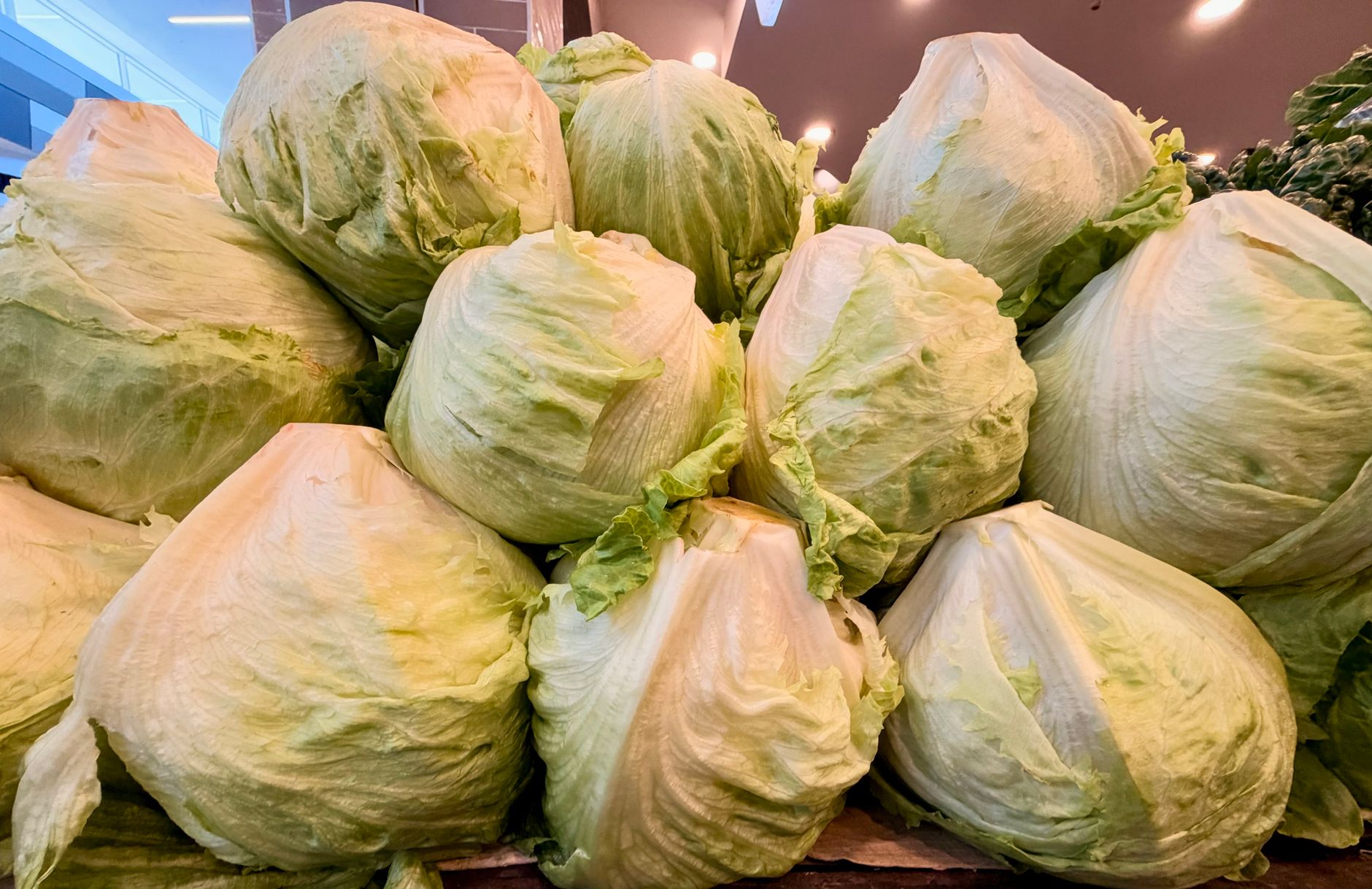
Iceberg lettuce is a staple in many salads, sandwiches, and wraps, celebrated for its crunchy texture and refreshing taste. However, as more people become aware of the importance of dietary fiber, questions arise about the fiber content of various foods, including iceberg lettuce.
This article delves into how much fiber is in iceberg lettuce, its nutritional profile, and how it can be incorporated into a balanced diet. Understanding its fiber content can help in meal planning and in achieving daily dietary fiber goals.
How Much Fiber Is in Iceberg Lettuce?
Iceberg lettuce contains about 1 gram of dietary fiber per cup when chopped. This makes it a low-fiber vegetable compared to other leafy greens, such as kale or spinach, which provide significantly more fiber per serving. However, it still contributes to your overall fiber intake and has other nutritional benefits.
Nutritional Overview of Iceberg Lettuce
Besides fiber, iceberg lettuce brings a variety of nutrients to the table. Its light texture and mild flavor make it versatile for numerous dishes. Here are some key nutritional components per cup (about 72 grams):
- Calories: 10
- Total Fat: 0.1 g
- Sodium: 6 mg
- Carbohydrates: 2 g
- Sugars: 1 g
- Protein: 0.5 g
- Vitamin A: 10% of the Daily Value (DV)
- Vitamin K: 15% of the DV
- Folate: 6% of the DV
Health Benefits of Fiber
While iceberg lettuce isn’t a major source of fiber, incorporating it into a diversified diet has numerous health benefits. Here’s a breakdown of how dietary fiber helps promote overall health:
- Digestive Health: Fiber is crucial for maintaining a healthy digestive system, helping to regulate bowel movements and prevent constipation.
- Weight Management: High-fiber foods can contribute to feelings of fullness, which may help control overall calorie intake.
- Blood Sugar Control: Fiber can slow down the absorption of sugar, leading to better blood sugar control.
- Heart Health: Some studies suggest that a high-fiber diet may lower cholesterol levels, promoting heart health.
How to Incorporate Iceberg Lettuce into Your Diet
Despite its low fiber content, iceberg lettuce can play an important role in a healthy diet. Here are several practical ways to incorporate it into your meals:
- Salads: Use iceberg lettuce as a base for salads, combining it with other fibrous vegetables like broccoli, carrots, and spinach to boost the fiber content.
- Wraps: Substitute bread for iceberg lettuce leaves to create low-carbohydrate wraps filled with lean proteins and colorful vegetables.
- Sandwiches: Add layers of iceberg lettuce to sandwiches for crunch and freshness.
- Garnishes: Use shredded iceberg lettuce as a topping for tacos and nachos for additional texture.
- Stir-Fries: While it may not be traditional, adding iceberg lettuce to stir-fried dishes can provide a delightful crunch when added in the final moments of cooking.
Comparing Iceberg Lettuce to Other Leafy Greens
If you’re aiming to increase your fiber intake, it may be useful to compare iceberg lettuce with other leafy greens. Here’s how the fiber content stacks up:
| Leafy Green | Fiber Content (per cup) |
|---|---|
| Iceberg Lettuce | 1 g |
| Romaine Lettuce | 2 g |
| Spinach | 0.7 g |
| Kale | 2.6 g |
| Swiss Chard | 3.7 g |
Practical Tips for Maximizing Fiber Intake
If you enjoy iceberg lettuce but are looking to increase your dietary fiber, consider these tips:
- Mix and Match: Combine iceberg lettuce with fibrous greens like kale, arugula, or chard in your salads for a nutrient boost.
- Add Beans and Legumes: Incorporate beans or lentils into salads or wraps to significantly increase the fiber content of your meal.
- Choose Whole Grains: If using grains in salads or wraps, opt for whole grain options which provide higher fiber levels.
- Experiment with Nuts and Seeds: Sprinkle nuts or seeds over salads to add crunch and increase fiber and healthy fat content.
- Consider Fiber Supplements: If you’re struggling to meet fiber goals through food alone, consult with a healthcare provider about supplements.
Common Mistakes When Using Iceberg Lettuce
While iceberg lettuce can be a refreshing addition to your diet, there are common pitfalls to avoid:
- Neglecting Nutrient-Rich Additions: Adding iceberg lettuce alone to salads may not provide sufficient nutrients; boost your salad with a variety of vegetables, proteins, and healthy fats.
- Overdressing Salads: Using heavy dressings can negate the health benefits of your vegetables; opt for lighter vinaigrettes or use herbs and spices for flavor.
- Ignoring Freshness: Iceberg lettuce can lose its crispness over time; always select firm heads and store them properly to maximize freshness.
Storage and Freshness of Iceberg Lettuce
To enjoy iceberg lettuce at its best, proper storage is essential. Here are some helpful tips:
- Keep It Dry: Moisture can cause iceberg lettuce to rot quickly. After washing, thoroughly dry the leaves before storing.
- Store in the Fridge: Place the head in a produce bag or perforated plastic wrap, which allows for airflow while keeping it fresh.
- Avoid Ethylene Producers: Store away from ethylene-producing fruits like apples and bananas, which can hasten spoilage.
- Use Within a Week: For optimal freshness, use your iceberg lettuce within 5 to 7 days of purchase.
Conclusion
Iceberg lettuce may not be the highest in fiber compared to other leafy greens, but it still holds an essential place in a balanced diet. Its crunchy texture and mild flavor make it a versatile addition to many dishes, and when combined with high-fiber ingredients, it can help you reach your dietary goals.
If you’re looking to diversify your meal options, consider exploring related recipes, cooking tips, or food guides to better understand how to incorporate nutritious ingredients into your meals. Check out how cabbage can affect digestion in our article about the effects of cabbage or learn about the carbohydrate content in broccoli for a broader understanding of your vegetable choices.