
Ed Debevic’s was an iconic diner that captured the quirky spirit of American dining with its retro decor and sassy waitstaff. However, many fans were left wondering why this beloved establishment closed its doors. Understanding the factors behind its closure can provide broader insights into the shifting landscape of dining culture and consumer preferences.
The closure of Ed Debevic’s serves as a case study highlighting the evolving dynamics of restaurant management, customer expectations, and economic factors influencing the food industry. This article will explore the reasons behind this iconic diner’s closure and its historical relevance to American food culture.
Why Did Ed Debevic’s Close?
Ed Debevic’s closed primarily due to financial challenges stemming from changing consumer tastes, market competition, and the impact of the COVID-19 pandemic. The diner, which once thrived on its unique theme and customer interaction, struggled to adapt to shifting dining trends and operational difficulties.
The Concept of Ed Debevic’s
Ed Debevic’s was founded in 1984 in Chicago, Illinois, and quickly became famous for its playful and immersive dining experience. The restaurant’s concept revolved around serving classic American comfort food in a retro-themed setting, all while engaging customers with sassy and comedic interactions from the waitstaff. This distinct brand of humor and nostalgia was a significant draw for a diverse array of diners.
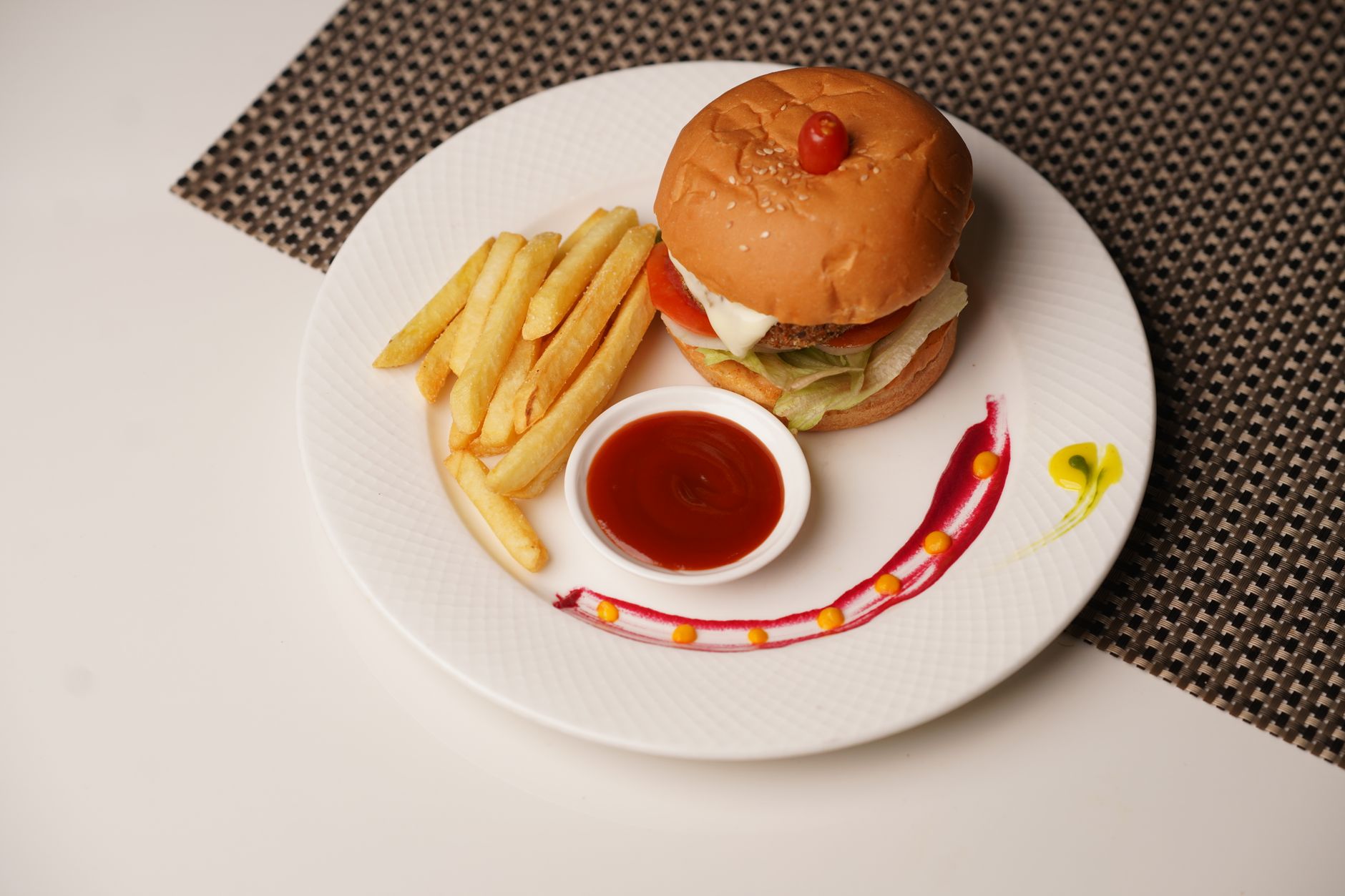
The menu featured a range of comfort foods, including burgers, milkshakes, and fries, all served in an over-the-top atmosphere reminiscent of the 1950s diner style. Over the years, the restaurant expanded to multiple locations, even opening franchises in other cities. However, despite its initial success, several factors contributed to its eventual decline.
Challenges That Led to Closure
1. Changing Consumer Preferences
With the rise of health-conscious dining and dietary changes, consumer preferences shifted towards healthier and more diverse options, which left traditional diners like Ed Debevic’s struggling to attract a new generation of diners. The classic diner food that once appealed to many began to feel outdated and less appealing compared to the emerging trends in natural and organic cuisine.
2. Increased Competition
The restaurant industry has always seen competition, but in recent years, the landscape has changed dramatically—with fast-casual restaurants and trendy eateries capturing a larger share of the market. New establishments that focus on fast, fresh, and innovative dishes quickly overshadowed the more static offerings of established diners.
3. Economic Pressures
Operational costs for restaurants have continually risen due to inflation and increased food prices. Labor costs, in particular, have significantly increased in recent years as minimum wage laws change and benefit expectations rise. This compounded pressure made it challenging for Ed Debevic’s and similar establishments to maintain profitability.
4. Impact of COVID-19
The COVID-19 pandemic severely impacted the restaurant industry. Lockdowns mandated a shift toward takeout and delivery models, which challenged traditional dining formats. Ed Debevic’s unique dining experience, which relied on in-person customer interaction, suffered tremendously during these restrictions. Many diners chose to forgo restaurants altogether during this time, further diminishing Ed Debevic’s customer base.
5. Market Adaptations
As restaurants adapted to new dining modalities, many established brands struggled to pivot effectively. Ed Debevic’s found it challenging to alter its business model without losing the uniqueness that made it popular. The hesitance to introduce more modern adjustments to the dining experience, such as expanding delivery and takeout options, also contributed to its decline.
Memorable Aspects of Ed Debevic’s
Despite its closure, Ed Debevic’s left a lasting mark on those who visited. From the fifties style diner design to the playful interaction with waitstaff, several elements made it memorable.
1. Singing Waitstaff
Dining at Ed Debevic’s meant being part of an entertaining atmosphere. The waitstaff often engaged diners with singing and quirky banter, which added to the nostalgic experience and ensured that each visit was filled with joy and laughter. This unique characteristic became a focal point for creating memorable dining experiences.
2. Nostalgic Menu
The menu offered a selection of traditional diner fare, including hearty burgers, crispy fries, and indulgent milkshakes. Many patrons recall the taste of their favorite dishes, making it a beloved destination for groups celebrating special occasions or simply wanting to enjoy a good meal in a fun setting.
3. Retro Decor
The interior of Ed Debevic’s was filled with vintage photographs, neon lights, and an upbeat jukebox. This decor cultivated a sense of nostalgia that appealed to various demographics—from families to young adults seeking an Instagram-worthy experience. Such an emotional connection to the environment contributed to repeat customers.
Lessons Learned from Ed Debevic’s Closure
The story of Ed Debevic’s offers several key takeaways for both restaurateurs and diners. Understanding these insights could shape future dining partnerships or influence starting a new restaurant venture.
1. Embracing Change
Restaurants must remain vigilant and adaptable to changing consumer trends and tastes. Continuous evaluation of the menu, customer engagement strategies, and overall experience can keep a restaurant relevant in the competitive landscape. Traditional diners might consider incorporating healthier options or embracing modern cooking techniques to appeal to the current market.
2. Diversifying Revenue Streams
Considering multiple revenue streams is crucial for sustaining a restaurant. For example, enhancing takeout or delivery services can ensure business continuity during unforeseen disruptions, as seen during the pandemic. Ed Debevic’s may have benefitted from exploring these options earlier.
3. Understanding Market Dynamics
Being aware of emerging dining trends and market dynamics is crucial in making informed decisions. Keeping tabs on competing restaurants, understanding customer preferences, and evaluating operational costs can provide valuable insights that drive long-term success.
4. Creating Unique Experiences
Creating memorable experiences remains central to the restaurant industry. Engaging customers in a theme-dining experience like Ed Debevic’s can generate loyalty and encourage repeat business. However, the experience must also resonate with modern consumers to thrive.
Looking Ahead: The Future of Diner Culture
Although Ed Debevic’s has closed, the diner culture it represented continues to evolve. New establishments seek to recapture the nostalgic essence of diners while simultaneously adapting to modern dining preferences.
1. Innovative Diners
Contemporary diners are emerging that combine traditional diner fare with inventive takes on cuisine. These establishments incorporate seasonal ingredients, offer vegan and vegetarian options, and respond to dietary needs, retaining diners while welcoming new customers.
2. Retro Revival
New restaurants are also exploring the retro aesthetic of the diner experience. Bringing nostalgia back to the dining scene can attract both longtime fans of diner culture and new generations curious about the vintage experience.
3. Community Engagement
Many new diner concepts place a strong emphasis on community engagement, fostering local partnerships and incorporating locally sourced ingredients into their fare. This approach resonates well with today’s conscious consumers, who prefer supporting local businesses.
Conclusion
The closure of Ed Debevic’s underscores the ongoing challenges facing traditional dining establishments in a rapidly evolving market. While its unique character and charm are missed by many, the lessons learned from its closure can guide future dining ventures toward adaptability and success. As diner culture continues to evolve, new opportunities may arise to blend nostalgia with innovation, creating exciting dining experiences for future generations.
For more insights on how to navigate the changing world of food, consider checking out our related articles on modern diner recipes, meal planning strategies, or food trends of the year.