
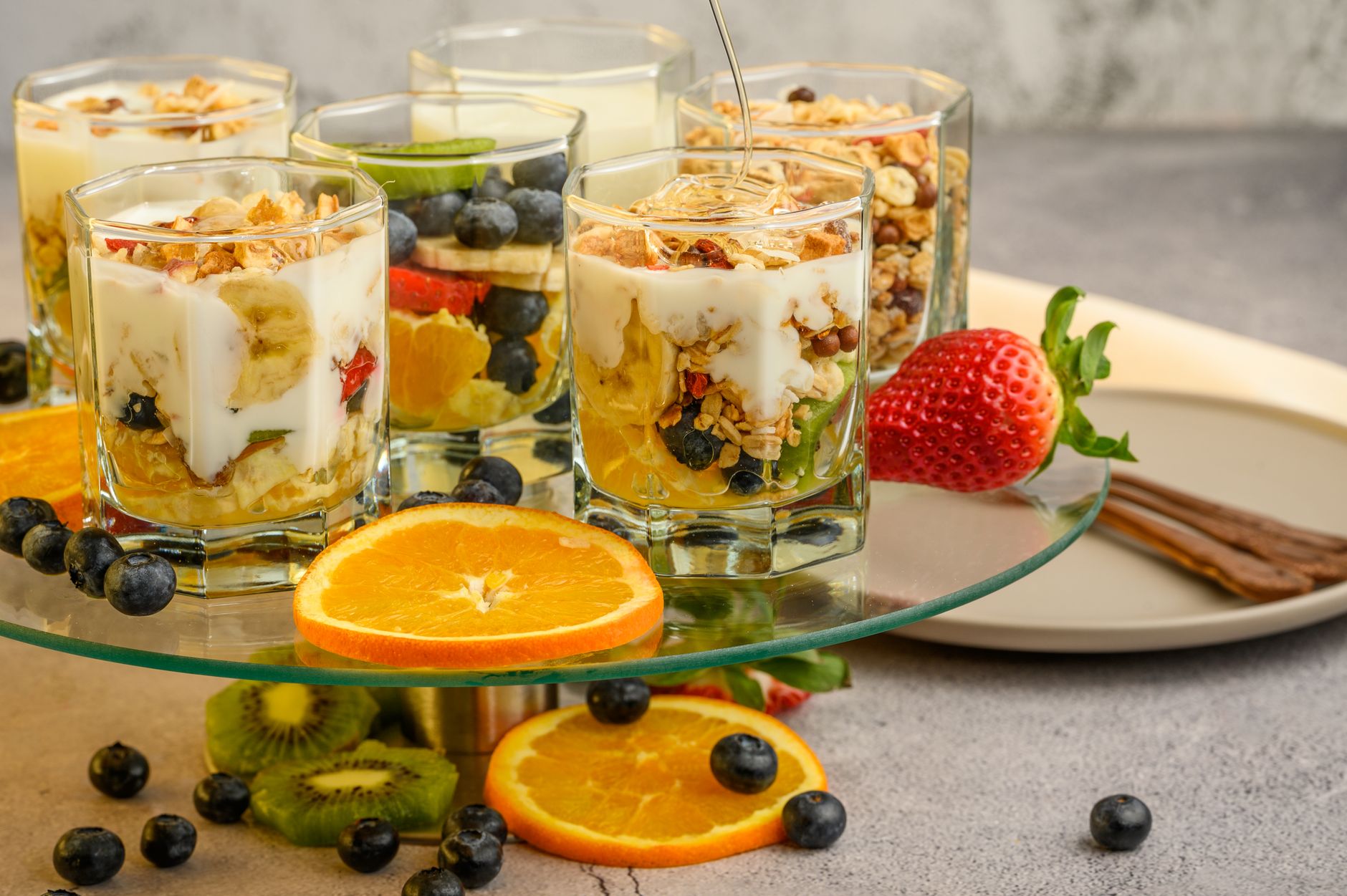
Parfaits are often seen as a go-to for a delicious breakfast or a sweet snack, but how healthy are they really? Made with layers of yogurt, fruits, granola, and sometimes added sweeteners or toppings, parfaits can vary widely in terms of nutritional value. Understanding their components is key to making informed choices about this popular dish.
This article will delve into the health aspects of parfaits, discussing their nutritional content, proper portion sizes, and considerations for healthy preparations. Whether you’re considering making your own parfait at home or ordering one at a café, knowing what to look for can help you enjoy this treat without compromising your health.
Is Parfait Healthy?
Yes, parfaits can be healthy depending on the ingredients used and portion sizes. By choosing nutritious components like low-fat yogurt, fresh fruits, and whole-grain granola, you can create a balanced snack or meal. However, it’s essential to be mindful of added sugars and calorie counts, which can quickly add up.
Nutritional Components of Parfaits
To evaluate the health aspects of parfaits, let’s break down their typical components and their nutritional benefits and drawbacks.
Yogurt
Yogurt is a staple in most parfaits, and it serves as a great source of probiotics, protein, and calcium. Here’s what to consider:
- Probiotics: Beneficial for gut health, probiotics help maintain a balanced microbiome.
- Protein: Yogurt can provide a substantial protein boost, helping to keep you feeling full.
- Calcium: Essential for bone health, calcium in yogurt supports overall wellness.
- Varieties: Choose low-fat or Greek yogurt for fewer calories and higher protein content.
- Avoid: Full-fat yogurts and those with added sugars can increase calorie and fat content significantly.
Fruits
Fresh fruits are not only delicious but also packed with vitamins, minerals, and fiber:
- Vitamins: Fruits provide essential vitamins like Vitamin C and A, critical for immune function and skin health.
- Fiber: Fiber from fruits aids digestion and can help regulate blood sugar levels.
- Antioxidants: Many fruits, such as berries, are rich in antioxidants that help combat oxidative stress in the body.
- Portion Control: Be mindful of portion sizes. A standard serving of fruit is typically around half a cup.
Granola
Granola adds a crunchy texture and can be a source of whole grains, but it often comes with added sugars and fats:
- Whole Grains: Look for granola made with whole grains for more fiber and nutrients.
- Added Sugars: Many store-bought granolas are high in sugars and oils; check the label before purchasing.
- Portion Control: Granola is calorie-dense, so a small portion (about 1/4 cup) is often sufficient.
- Homemade Options: Consider making your own granola to control ingredients and sweetness levels.
Sweeteners
Sweeteners can turn a healthy parfait into a less nutritious choice:
- Natural Sweeteners: Honey, maple syrup, or agave nectar can be healthier than refined sugars but should still be used sparingly.
- Caloric Impact: Sweeteners add calories without significant nutritional benefits, so balance is key.
Portion Sizes
Understanding portion sizes is crucial in making parfaits healthy. Here are some guidelines for typical parfait components:
- Yogurt: One serving is typically about 1 cup.
- Fruits: Aim for half a cup of mixed fruits.
- Granola: Limit to about 1/4 cup to keep calories in check.
By adhering to these portion sizes, you can enjoy a balanced parfait without overindulging.
Making Healthier Parfaits
If you want to enjoy parfaits while maintaining a healthy lifestyle, consider the following tips:
- Choose Low-Fat or Plant-Based Yogurts: Opt for options with lower sugar content.
- Incorporate a Variety of Fruits: Use a colorful mix of fruits to maximize your nutrient intake.
- Limit or Replace Granola: Substitute granola with nuts or seeds for a lower-calorie, nutrient-rich option.
- Sweeten Responsibly: Use sweeteners sparingly or rely on the natural sweetness of fruits.
- Experiment with Flavorings: Add spices such as cinnamon or vanilla extract to enhance the flavor without adding calories.
Common Mistakes to Avoid
While preparing or ordering a parfait, it’s easy to inadvertently choose options that are less healthy. Here are some common mistakes to watch out for:
- Choosing High-Sugar Yogurts: Many flavored yogurts contain high amounts of added sugars. Opt for plain varieties whenever possible.
- Oversized Portions: Paying attention to portion sizes is crucial; it’s easy to underestimate how much you’re actually consuming.
- Opting for Sugary Granola: Many granolas can contain significant amounts of sugar—look for alternatives with less sugar or make your own.
- Neglecting Variety: Relying on a single type of fruit or component can limit nutrient diversity; aim for a mix of colors and flavors.
Health Benefits of Parfaits
When assembled mindfully, parfaits can offer several health benefits:
- Balanced Meal or Snack: With a good balance of carbohydrates, proteins, and healthy fats, parfaits can serve as a satisfying meal option.
- Digestive Health: The probiotics from yogurt combined with the fiber in fruits promote digestive health.
- Easy to Customize: You can tailor parfaits to fit various dietary preferences or needs, including gluten-free, vegan, or high-protein options.
- Quick and Convenient: Perfect for busy mornings or meals on-the-go, parfaits can be prepared in advance and are easy to transport.
Making Your Own Parfait: A Simple Recipe
Creating your healthy parfait at home allows you to control ingredients and customize to your taste. Here’s a basic recipe to get you started.
Ingredients:
- 1 cup low-fat or Greek yogurt
- 1/2 cup fresh berries (strawberries, blueberries, raspberries)
- 1/4 cup granola or a homemade oat mix (see below)
- 1 tablespoon honey or maple syrup (optional)
- 1 tablespoon chia seeds or nuts (optional)
Instructions:
- In a serving cup or bowl, layer about half of the yogurt at the bottom.
- Add half of the fresh berries on top of the yogurt.
- Add a layer of granola (or your alternative) on top of the berries.
- Repeat the layers until all ingredients are used, finishing with a layer of berries and a sprinkle of granola on top.
- If desired, drizzle with honey or maple syrup and sprinkle chia seeds or nuts for added texture and nutrition.
Customizations and Variations
Feel free to experiment with different fruits, yogurts, and toppings to suit your taste and dietary preferences:
- Try Different Yogurts: Experiment with coconut or almond milk yogurt for a dairy-free option.
- Swap Out Granola: Use nuts, seeds, or even crumbled oat bars to reduce calories.
- Add Spices: Sprinkle cinnamon or nutmeg for an extra kick of flavor.
- Include Other Superfoods: Consider adding elements like hemp hearts or protein powder to enhance nutrition.
Storage and Make-Ahead Tips
Making parfaits ahead of time can save you valuable time during busy mornings. However, proper storage is essential:
- Store assembled parfaits in an airtight container in the refrigerator. They are best consumed within 2-3 days to ensure the freshness of the fruits.
- For longer storage, keep the components separate and assemble right before eating to maintain the granola’s crunch.
Conclusion
Parfaits can be both healthy and delicious when assembled with nutritious ingredients and mindful portion sizes. By choosing the right yogurts, fruits, and granola, you can create a balanced snack or meal that satisfies your cravings. Remember to experiment and make parfaits your own for a nourishing treat that fits your dietary needs.
For more delightful recipes and health-conscious meal options, you might explore our easy chia pudding recipe, or discover whether an açai bowl is healthy. Enjoy creating your parfait!