
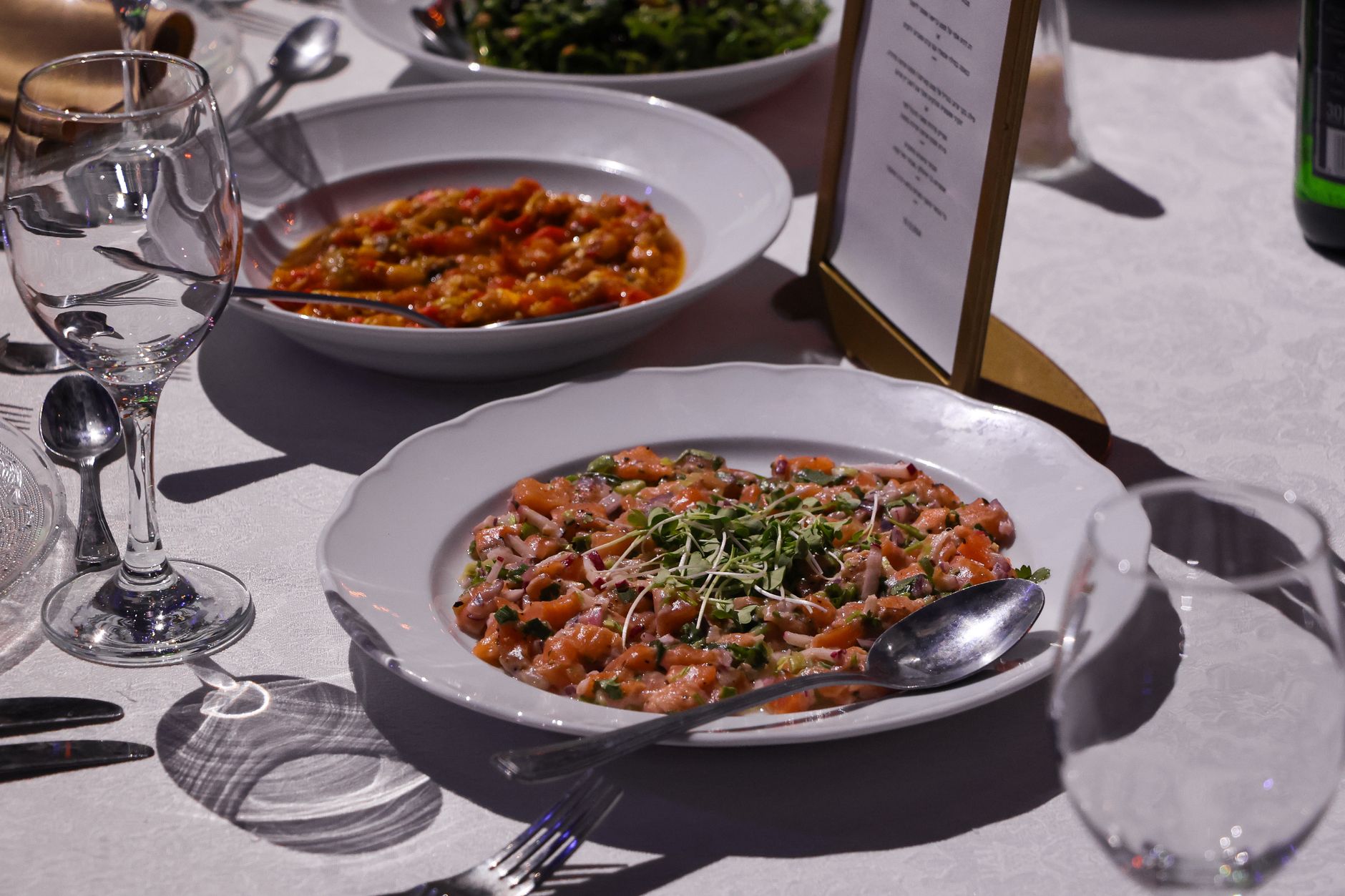
Wine pairing can elevate your dining experience, especially when it comes to fish dishes like salmon. The unique flavors of salmon, ranging from rich and buttery to mildly sweet, influence which wines will complement it best. Understanding the best wine pairings with salmon will enhance the overall enjoyment of the dish.
Salmon is versatile, lending itself well to various cooking methods, marinades, and sauces. This adaptability creates numerous pairing options. In this guide, we will explore the various types of salmon, the characteristics of different wines, and how to select the perfect wine to match your salmon dish.
What Wine Pairs with Salmon?
When considering wine pairing with salmon, look for wines that balance out its richness and enhance its flavors. Generally, white wines are favored due to their acidity, which complements the richness of the fish. However, lighter reds can also work harmoniously with salmon. The best choices include Chardonnay, Pinot Noir, Sauvignon Blanc, and other notable options.
Understanding Salmon Varieties
Different varieties of salmon possess distinct flavors and textures, affecting the best wine pairing. Here’s a quick overview of popular salmon types:
- Atlantic Salmon: Known for its rich flavor and fatty texture, Atlantic salmon pairs well with full-bodied white wines like Chardonnay.
- Sockeye Salmon: With a robust, rich flavor, it shines when paired with crisp whites or light reds, enhancing both the wine and the fish.
- Coho Salmon: Mildly flavored and not overly oily, Coho is versatile and pairs well with a variety of wines.
- Pink Salmon: Generally milder and leaner, this variety works well with lighter whites or rosés.
- Chinook Salmon: As the richest variety, it pairs beautifully with both rich whites and light-bodied reds.
Choosing the Right Wine: Key Characteristics
Acidity
Acidity in wine helps cut through the richness of salmon’s fat content. Wines with higher acidity, like Sauvignon Blanc or a crisp Riesling, can create a delightful contrast with the fish’s texture.
Body
The body of the wine—ranging from light to full—should match the weight of the dish. Light-bodied wines work well with lighter salmon dishes, while fuller-bodied wines suit richer preparations.
Flavor Profile
Consider the flavor profile of both the wine and the salmon. If your dish has strong flavors or seasonings, select a wine that holds its own against those elements. Conversely, if the preparation is simple, a delicate wine is a better match.
Recommended Wine Pairings with Salmon
1. Chardonnay
Chardonnay is often regarded as a classic choice for pairing with salmon. It offers a rich, oaky profile that complements the fatty texture of the fish. A Chardonnay with bright acidity, like those from California or Burgundy, can enhance grilled or roasted salmon dishes beautifully.
2. Pinot Noir
Lighter-bodied reds, especially Pinot Noir, can surprisingly pair well with salmon. The soft tannins in Pinot Noir work well with the fish’s rich flavor, especially if it’s prepared with a smoky glaze or seasoning. Opt for a Pinot Noir with berry notes for extra flavor complexity.
3. Sauvignon Blanc
Sauvignon Blanc, particularly from New Zealand or California, showcases high acidity and zesty citrus notes. This wine complements baked or poached salmon, enhancing the dish without overpowering it.
4. Riesling
A slightly sweet Riesling (off-dry) can balance the richness of salmon while adding a refreshing touch. This pairing is especially delightful with Asian-inspired or spicy salmon dishes, where the wine’s sweetness counteracts any heat.
5. Rosé
Rosé, particularly dry styles, can be an excellent match for salmon, making it a versatile choice for various preparations. The crispness of Rosé complements grilled salmon and adds an appealing color to the dining table.
6. Sparkling Wine
Sparkling wines such as Champagne or Prosecco can bring a celebratory touch to salmon dishes. The bubbles help cleanse the palate, making them particularly enjoyable alongside richer, creamy salmon preparations.
Cooking Method Matters
The cooking method used for salmon significantly impacts wine pairing. Here’s how different preparations can change your wine selection:
Grilled Salmon
When grilling salmon, the smoky flavors from the grill enhance the fish. Pair this with a Chardonnay or a light-bodied red like Pinot Noir. The smokiness can balance the richness of the wine.
Baked Salmon
Baked salmon, especially with light herbs and spices, works well with Sauvignon Blanc or Riesling. These wines maintain the dish’s freshness while enhancing the natural flavors of the fish.
Pan-Seared Salmon
The caramelization achieved in pan-seared salmon brings deep flavors to the dish. A robust Chardonnay or a light Pinot Noir can complement these flavors beautifully.
Poached Salmon
For delicately poached salmon, a crisp Sauvignon Blanc or a light, zesty Chardonnay can enhance the gentle flavors without overwhelming them.
Preparing Your Salmon Dish
How you season and prepare your salmon will also dictate the best wine pairing. Here are some considerations:
Herbs and Spices
Fresh herbs like dill or tarragon can complement white wines, while spices from Asian cuisine could lead you towards slightly sweet varieties like Riesling. Always match the wine to the dominant flavors of your dish.
Sauces
If you are using a rich sauce, such as cream or soy-based glazes, lean towards fuller-bodied whites or light reds. This approach allows the flavors of both the wine and the dish to shine.
Side Dishes
The sides served with salmon influence your wine selection too. For instance, rich, buttery sides pair better with a full-bodied wine, while lighter, vegetable-based sides favor crisper white varieties.
Common Mistakes in Pairing Wine with Salmon
Some pitfalls often occur when pairing wine with salmon. Here are recommendations to avoid these common missteps:
- Avoid overwhelming flavors: Strong wines can overpower the delicate flavors of salmon.
- Consider sweetness: When your dish has sweetness, like a glaze, keep this in mind for choosing a wine with similar sweetness.
- Don’t ignore cooking methods: Pair appropriately according to how the salmon is prepared, as this dramatically impacts flavor.
Serving Temperature
Serving wines at the correct temperature enhances their flavor profiles. Follow these general temperature guidelines:
- White Wines: Serve chilled at 45-55°F (7-13°C).
- Red Wines: Serve slightly cooler than room temperature at 55-65°F (13-18°C).
- Sparkling Wines: These are best served well-chilled at 40-50°F (4-10°C).
Making Ahead and Storage
If planning a meal with salmon and wine, preparing in advance can enhance the experience. Here are some tips:
- Marinades: Prepare your marinade a day before, allowing the flavors to meld beautifully.
- Wine Selection: Choose your wine ahead of time, allowing it to chill to the appropriate serving temperature.
- Storage: After opening, store wine in a cool, dark place and reseal. Consume within a few days for the best flavor.
Pairing Wine with Leftovers
If you end up with salmon leftovers, wine pairing can be easy as well. Consider the method of reheating and any additional preparation you might do:
- For reheating grilled salmon, stick with the original wine pairing or suggest a crisp white.
- If adding a sauce or glaze, consider which flavors are dominant, adjusting your wine choice accordingly.
Conclusion
Wine pairing is an integral part of dining, especially with versatile dishes like salmon. With careful consideration of salmon varieties, cooking methods, and flavor profiles, you can select the perfect wine to enhance your meal. So, the next time you prepare salmon, remember these wine pairing basics to elevate your culinary experience.
Explore more about preserving salmon freshness with this guide, or check out a flavorful salmon loaf recipe to try at home.