
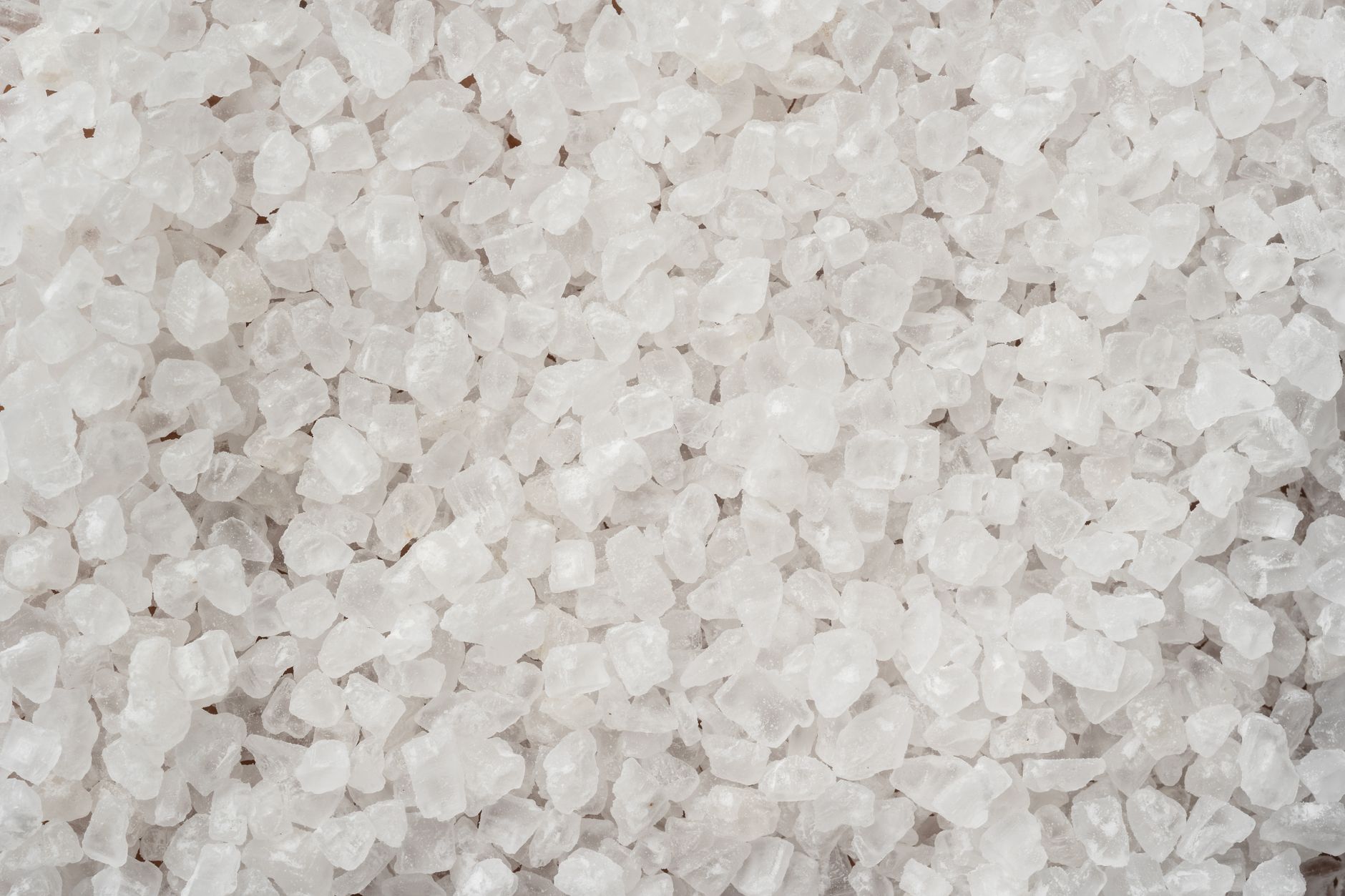
Salt is an essential ingredient in cooking and baking, influencing everything from flavor to texture. Understanding how much salt to use is crucial since it can enhance or overpower a dish. This article delves into the various types of salt available, their prices, and tips for proper use in your culinary adventures.
Whether you’re seasoning a simple dish or baking an elaborate recipe, the right amount of salt can make all the difference. We’ll explore common salt types, their characteristics, average prices, and how to properly measure and use them in cooking.
How Much Is Salt?
The price of salt can vary widely depending on the type and brand. Common table salt is typically very inexpensive, costing less than $1 per pound. Specialty salts like sea salt, Himalayan pink salt, or fleur de sel can range from $2 to $10 per pound or more. Understanding how much you should buy depends on your cooking needs and preferences.
Types of Salt and Their Characteristics
There are several types of salt, each with distinct characteristics and uses. Below are descriptions of some of the most common types of salt you’ll encounter in the kitchen:
- Table Salt: Fine-grained and often iodized, table salt is the most common salt in households. Its small granules dissolve quickly and are typically used for everyday cooking.
- Sea Salt: Produced by evaporating seawater, sea salt is available in fine and coarse varieties. It often has more minerals than table salt and is used both for cooking and finishing dishes.
- Himalayan Pink Salt: Mined from the Himalayas, this salt contains trace minerals that give it a pink hue. It’s often marketed for its health benefits and is commonly used in cooking and as a decorative salt block.
- Kosher Salt: Known for its larger crystals, kosher salt is favored by many chefs for seasoning because it’s easy to pinch and sprinkle. It typically does not contain additives and is used for both cooking and garnishing.
- Fleur de Sel: A type of sea salt that forms a delicate crust on the surface of sea water, fleur de sel is harvested by hand. It’s considered a finishing salt, meaning it’s sprinkled on dishes just before serving to enhance flavor and add texture.
- Black Salt: This salt, containing traces of charcoal, is commonly used in Indian cooking. It has a unique flavor profile and is often used in sauces and chutneys.
- Flavored Salts: These can include salts infused with herbs, spices, or other flavorings. They are often used as finishing touches to elevate a dish’s flavor.
Average Prices of Salt
Prices can fluctuate based on brand, packaging, and region. Here are some estimated prices for various types of salt:
| Type of Salt | Price Range (per pound) |
|---|---|
| Table Salt | $0.50 – $1.00 |
| Sea Salt | $2.00 – $6.00 |
| Himalayan Pink Salt | $3.00 – $10.00 |
| Kosher Salt | $1.00 – $5.00 |
| Fleur de Sel | $10.00 – $25.00 |
| Black Salt | $2.00 – $4.00 |
| Flavored Salts | $3.00 – $15.00 |
Measuring Salt Correctly
Measuring salt accurately is essential for ensuring balanced flavors. Given the varying grain sizes of different salts, the way you measure can significantly impact the amount of salt you use:
- Volume vs. Weight: Salt can be measured by weight (grams) or volume (tablespoons, teaspoons). For consistent results, weighing salt is recommended, particularly in baking.
- Measuring Spoon Variations: A teaspoon of table salt is denser than a teaspoon of kosher salt due to differences in crystal size. As a rule of thumb, if substituting coarse salt for fine salt, use approximately 1.5 times the amount.
Examples of Salt Measurement Conversions
Here are some common conversions to keep in mind when measuring salt:
- 1 teaspoon of table salt = 1.5 teaspoons of kosher salt
- 1 teaspoon of table salt = about 6 grams
- 1 teaspoon of kosher salt = approximately 4 grams
- 1 tablespoon of table salt = 3 tablespoons of kosher salt
How to Use Salt in Cooking
Understanding how to use salt effectively will enhance your cooking. Here are some practical tips for incorporating salt into your dishes:
1. Seasoning Throughout Cooking
Instead of waiting until the end, add salt progressively during cooking. This method allows the flavors to develop and ensures that the salt is properly integrated into the dish.
2. Salting Pasta Water
When cooking pasta, it’s important to salt the water well. This enhances the pasta itself, as it absorbs some of the salty water as it cooks. A common ratio is about 1-2 tablespoons of salt per gallon of water.
3. Balancing Flavors
Salt can enhance sweetness, reduce bitterness, and balance acidity in many dishes. A pinch of salt in baked goods can elevate sweetness, while salt in sauces can balance their acidity.
4. Rimming Cocktail Glasses
For cocktails, consider using flavored salts or sea salts for rimming glasses. This adds an extra layer of flavor that complements the drink.
Common Mistakes When Using Salt
Even experienced cooks can make mistakes with salt. Here are some common pitfalls:
- Not Tasting As You Go: One of the biggest mistakes is failing to taste your dish while cooking. This is crucial to ensure proper seasoning.
- Over-Salting: Beginners may fear under-seasoning and end up adding too much salt. Remember, you can always add more, but reducing salt once it’s added is difficult.
- Using the Wrong Type: Each salt type has its unique properties. Don’t substitute one for another without consideration of how this will affect the dish.
Storage Tips for Salt
Salt is a stable ingredient, but proper storage can help maintain its quality:
- Keep it Dry: Store salt in a dry place to prevent clumping. Airtight containers are ideal.
- Avoid Open Air: If using coarse salts, avoid leaving them exposed to air for extended periods, as moisture can cause the crystals to harden.
- Identify Salt Type: Label your containers if you keep multiple types of salt, to avoid confusion during cooking.
Using Salt in Baking
Salt plays a different role in baking compared to cooking. Here’s how to ensure you’re using it correctly:
1. Activate Yeast
Salt helps to regulate yeast activity in bread baking. While it’s important for flavor, it can also slow yeast fermentation. Always incorporate salt into dry ingredients before mixing with wet ingredients.
2. Improves Structure
In baked goods, salt strengthens gluten structure, which contributes to the texture of bread and pastries. This is crucial for achieving the desired chewiness or flakiness.
3. Enhances Flavor
Just like with cooking, salt enhances sweetness and balances flavors in baked goods. A pinch in cookies or cakes can make all the difference in overall taste.
Practical Salt Substitutions
If you find yourself out of a specific type of salt, here are some substitutions that work well:
- Sea Salt for Table Salt: If you’re using sea salt in place of table salt, remember that sea salt is typically less dense. Use a little more than what is recommended.
- Kosher Salt for Table Salt: If substituting kosher salt for table salt, increase the quantity by 25% since the larger crystals pack less tightly.
- Fleur de Sel for Sea Salt: Use fleur de sel as a finishing salt instead of regular sea salt to add a crunchy texture and a special touch to your dish.
- Black Salt for Regular Salt: Black salt has a distinct taste. Use it sparingly, especially in dishes where its flavor might overpower other elements.
Final Thoughts
Salt is more than just a seasoning; it’s a vital ingredient with various roles in cooking and baking. Understanding its different types, prices, and how to measure and use them effectively will improve your culinary skills. By knowing when and how to use salt, you’ll elevate your cooking and create flavorful dishes that shine.
For additional cooking tips and recipes, feel free to explore our guides on salt potatoes and making homemade saltine crackers. Happy cooking!
For more inspiration, check out our salt potatoes recipe and learn how to make saltine crackers.