
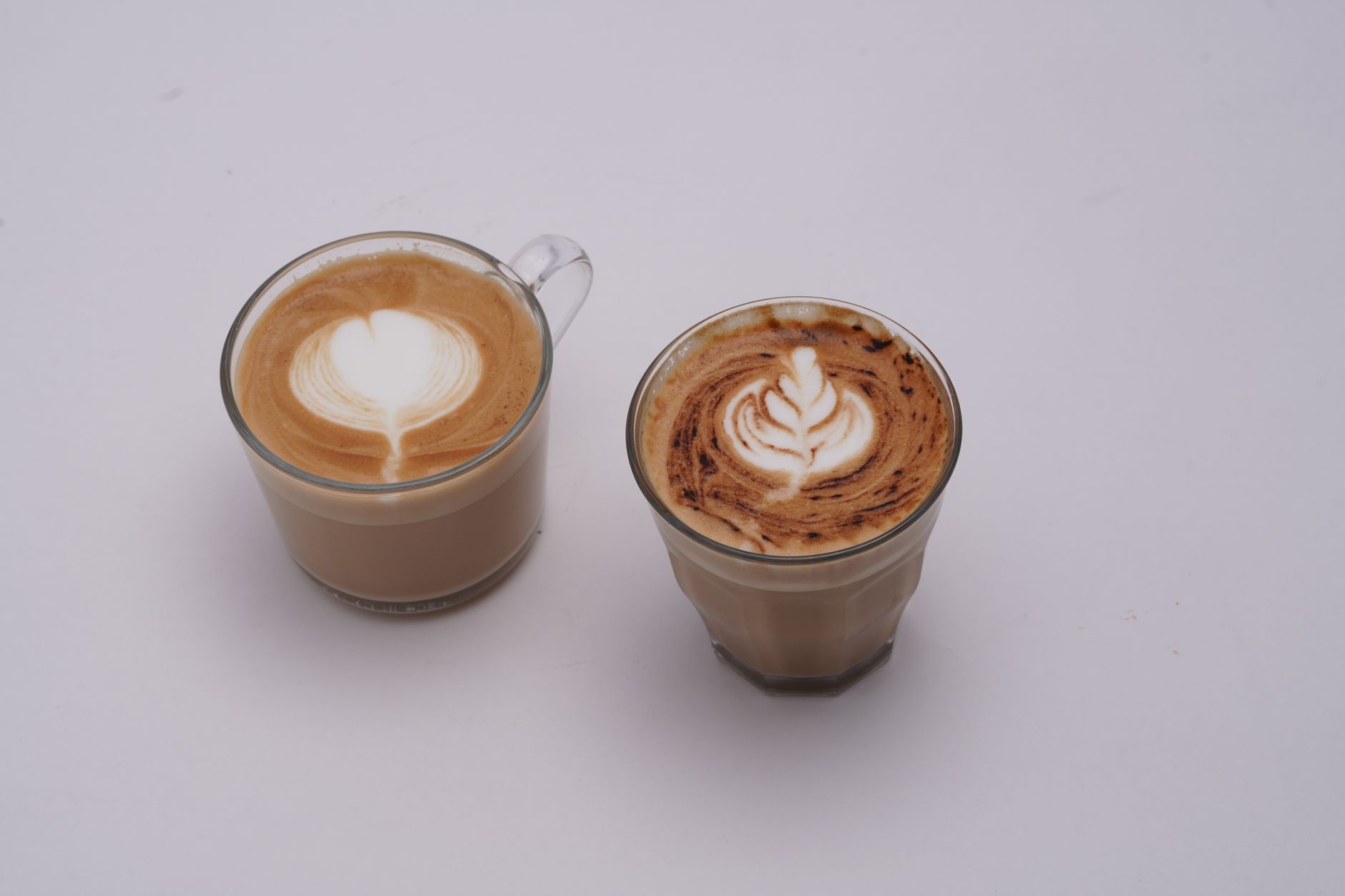
Cappuccino and latte are two beloved espresso-based beverages commonly found in cafes worldwide. While they may seem similar, they offer distinct flavors, textures, and preparation methods that make each of them unique. Understanding the differences and the best uses for each can enhance your coffee experience, whether you’re enjoying a quiet morning at home or indulging in a café visit.
This guide will explore the key differences between cappuccino and latte, including their ingredients, preparations, and ideal occasions for serving. Additionally, we will include practical tips and tricks for making delicious versions of both drinks at home.
What Is a Cappuccino vs Latte?
A cappuccino is typically characterized by a balance of equal parts espresso, steamed milk, and milk foam. In contrast, a latte contains more steamed milk and less foam compared to a cappuccino, resulting in a creamier texture. The preparation methods and ratios also differ, resulting in different flavors and visual presentations.
Ingredients Required for Cappuccino and Latte
Both cappuccino and latte require similar base ingredients, but the proportions and additional elements differentiate them. Here’s a breakdown:
- Espresso: A strong coffee made by forcing hot water through finely-ground coffee beans.
- Milk: Whole milk is commonly used, but you can use alternatives such as oat milk or almond milk.
- Milk foam: This is essential for a cappuccino, creating its defining texture.
Cappuccino: Preparation and Technique
A cappuccino features a layered structure with distinct components. Here’s how to prepare a cappuccino at home:
Ingredients for Cappuccino
- 1 shot of espresso (about 1 ounce)
- 4 ounces of milk (whole or alternative)
- 1 ounce of milk foam
Essential Equipment
- Espresso machine or stovetop espresso maker
- Steaming wand or frother
- Cappuccino cup (6-8 ounces)
Step-by-Step Method
- Prepare the Espresso: Brew a shot of espresso. Aim for a rich and strong flavor.
- Steam the Milk: Using a steaming wand, heat the milk until it reaches around 150°F. Aim for a velvety texture with a small amount of foam.
- Combine: Pour the steamed milk over the espresso, then spoon the milk foam on top. Aim for a 1:1:1 ratio of espresso, steamed milk, and milk foam.
- Serve: Optionally, sprinkle with cocoa powder or cinnamon for added flavor.
Tips for Making an Excellent Cappuccino
- Use fresh, high-quality coffee beans for the best flavor.
- Experiment with milk types; different milks froth differently.
- Practice steaming milk to achieve the silky texture essential for cappuccinos.
Latte: Preparation and Technique
The latte is known for its creamy texture, created by the ratio of milk and foam. Here’s how to prepare a latte at home:
Ingredients for Latte
- 1 shot of espresso (about 1 ounce)
- 6-8 ounces of milk (whole or alternative)
- 1-2 ounces of milk foam
Essential Equipment
- Espresso machine or stovetop espresso maker
- Steaming wand or frother
- Latte cup (8-12 ounces)
Step-by-Step Method
- Prepare the Espresso: Brew a shot of espresso, focusing on a strong, robust flavor.
- Steam the Milk: Heat the milk using a steaming wand until it reaches about 150°F, creating a velvety texture but allowing for a layer of foam.
- Combine: Pour the steamed milk over the espresso. Finish with a light spoonful of milk foam on top for a slight frothy finish.
- Serve: Customize with syrup, flavored cream, or just drink it as is!
Tips for Making an Excellent Latte
- Ensure you don’t overheat the milk; it should not exceed 160°F to avoid scalding.
- Experiment with flavored syrups for personalization, such as vanilla or caramel.
- Consider adding a sprinkle of nutmeg or cinnamon for a unique twist.
Key Differences Between Cappuccino and Latte
Understanding the differences between cappuccino and latte extends beyond flavor and preparation. Here are the main distinctions:
Texture
- Cappuccino: Characterized by its equal ratios of espresso, milk, and foam, resulting in a rich and frothy texture.
- Latte: Features a higher milk-to-foam ratio, yielding a creamier, smoother drink.
Flavor Profile
- Cappuccino: The strong espresso flavor is more pronounced due to less milk, providing a bolder coffee experience.
- Latte: The taste is creamier and milder due to the higher milk content, offering a sweeter and more dulcet experience.
Presentation
- Cappuccino: Traditionally served in smaller cups with a signature frothy top, often adorned with art or chocolate.
- Latte: Served in larger cups, often featuring intricate latte art design on the foam.
Common Mistakes to Avoid When Making Cappuccinos and Lattes
When preparing cappuccinos and lattes, avoiding common pitfalls can make all the difference in achieving the perfect drink. Here are mistakes to watch for:
- Neglecting quality: Using stale or low-quality beans will negatively impact the flavor of your drink.
- Over or under-steaming milk: Proper steam heat and technique are key to creating the right consistency. Too hot can scald, while too cool results in insufficient froth.
- Not cleaning your equipment: Regular cleaning of your espresso machine and frothing wand ensures that the flavors aren’t compromised.
- Ignoring ratios: Striking the right espresso-to-milk ratio is essential for monitoring flavor balance.
Creative Variations on Cappuccino and Latte
While the classic versions hold their own, there are numerous creative twists you can explore with both cappuccinos and lattes. Here are a few enjoyable variations:
Cappuccino Variations
- Mocha Cappuccino: Incorporating chocolate syrup into the drink for a sweetened beverage.
- Spice Cappuccino: Adding a dash of cayenne or cardamom for an extra kick.
- Flavored Syrup Cappuccino: Use vanilla or hazelnut syrup to introduce delightful flavors.
Latte Variations
- Iced Latte: For warmer days, pour espresso over cold milk and serve over ice.
- Matcha Latte: Substitute matcha powder instead of espresso, offering a vibrant green drink.
- Lavender Latte: Add lavender syrup for a floral twist.
Kitchen Uses and Serving Suggestions
Cappuccinos and lattes can be served in various settings, making them versatile choices for different occasions. Here are practical uses:
Breakfast Pairings
- Cappuccinos go wonderfully with pastries like croissants or a breakfast sandwich.
- Lattes complement sweet options such as pancakes or waffles.
Midday Treats
- Enjoy a cappuccino as an afternoon pick-me-up with a biscotti or cookie.
- A latte can be paired with a light lunch or savory muffin for a balanced meal.
Special Occasions
- Consider crafting specialty drinks for brunch gatherings or hosting coffee-themed parties.
- Using flavored syrups to create a signature drink can be an impressive touch for guests.
Storage and Reheating Guidance
It’s important to note that cappuccinos and lattes are best enjoyed fresh. However, if you have leftover brewed espresso, you can store it correctly:
- Store brewed espresso in an airtight container in the refrigerator for up to 24 hours. Reheat gently on the stove or in the microwave.
- Never reheat milk or foam; it can curdle and lose its texture.
Final Thoughts on Cappuccino and Latte
Understanding the differences between cappuccino and latte allows coffee enthusiasts to appreciate their unique qualities. Both beverages offer rich flavors and customizable options that cater to differing tastes. Experiment with home brewing techniques and discover your preference between these two iconic drinks.
To explore further, check out our guide on what kind of milk to use for latte art or make yourself a refreshing caramel ribbon crunch frappuccino for a delightful treat. Your coffee journey awaits!