
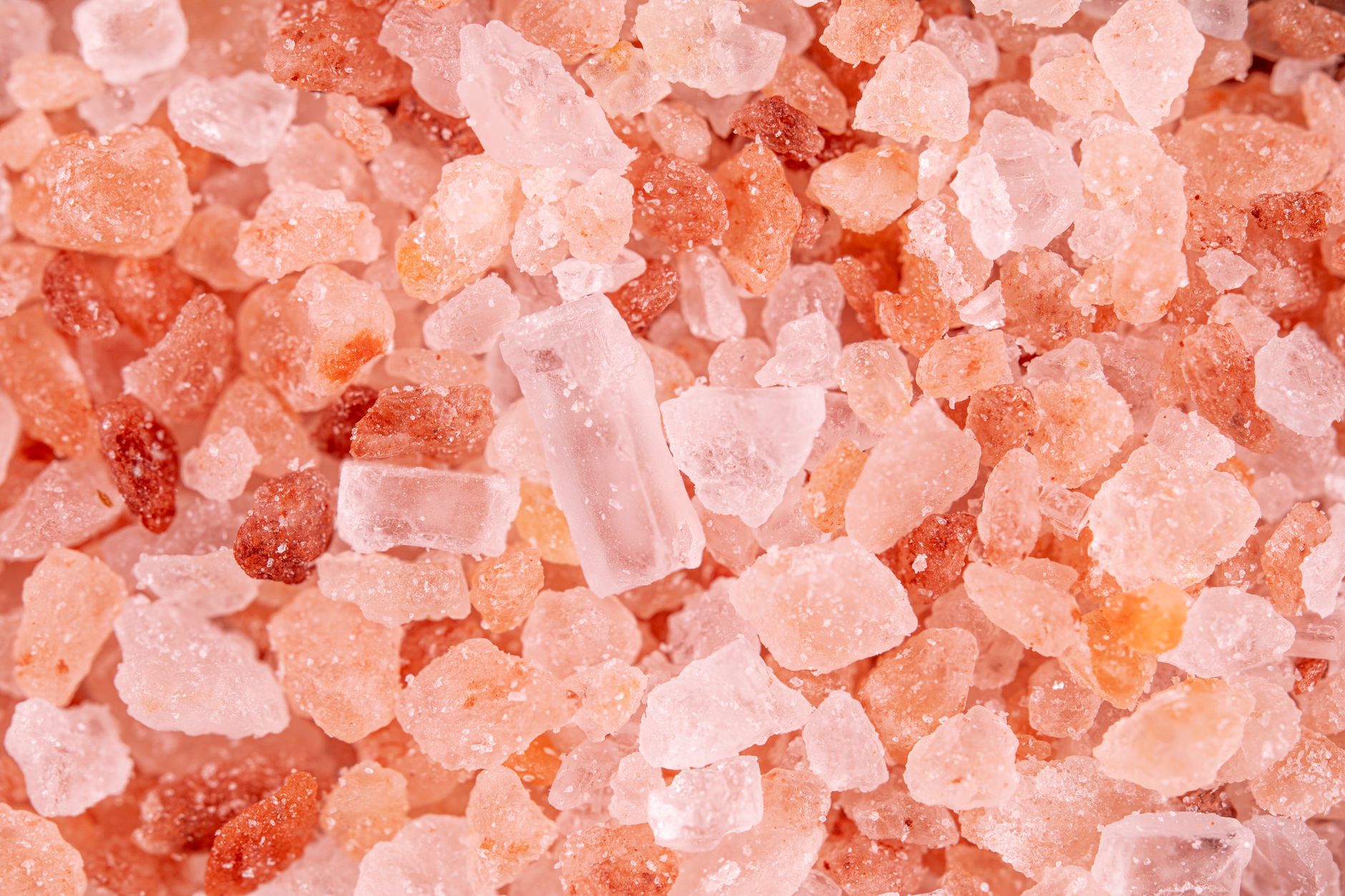
Pink Himalayan salt has surged in popularity over the past few years, often touted for its unique color and supposed health benefits. But what exactly is it, and how does it compare to sea salt? Understanding the origins, composition, and uses of these salts can help you make informed choices in the kitchen.
This article delves into the distinctions between pink Himalayan salt and sea salt, exploring their sources, flavor profiles, culinary applications, and potential health benefits. Whether you’re a home cook or just curious about these popular seasonings, this guide aims to clarify the confusion surrounding these two types of salt.
Is Pink Himalayan Salt Sea Salt?
No, pink Himalayan salt is not sea salt. While both are types of salt, they come from very different sources. Pink Himalayan salt is mined from ancient sea salt deposits in the Himalayan mountains, whereas sea salt is harvested through the evaporation of seawater. Each has a distinct mineral content, flavor, and culinary use.
The Origins of Pink Himalayan Salt
Pink Himalayan salt is primarily sourced from the Khewra Salt Mine in Pakistan, one of the oldest and largest salt mines in the world. This salt formed from the evaporation of ancient oceans over millions of years. The distinctive pink color comes from trace minerals, particularly iron oxide, giving it a characteristic appearance and unique flavor.
The Origins of Sea Salt
Sea salt is created by evaporating seawater and can be harvested from oceans and seas around the globe. The process involves collecting seawater in shallow ponds, where it is allowed to evaporate under the sun. Sea salts can vary in texture, flavor, and mineral content, depending on their source and the method of evaporation.
Nutritional Composition
Both pink Himalayan salt and sea salt contain sodium chloride, but the mineral content differs significantly.
Pink Himalayan Salt
- Contains over 80 trace minerals, including potassium, magnesium, and calcium.
- The mineral content varies depending on where the salt is mined.
- Iron oxide gives it a characteristic pink hue.
Sea Salt
- Primarily composed of sodium chloride with varying amounts of trace minerals.
- The specific mineral profile can depend on the water source and region.
- Often contains higher levels of iodine if enriched.
Flavor Profiles
The flavor of salt is often more than just salty; it includes subtleties influenced by its mineral content. Understanding these differences can enhance your culinary endeavors.
Pink Himalayan Salt
Pink Himalayan salt has a slightly sweeter, more robust flavor compared to regular table salt. This is largely attributed to the presence of trace minerals. Its unique flavor makes it a favorite for seasoning meats, vegetables, and even desserts.
Sea Salt
Sea salt can have a more varied flavor profile, depending on its location. Some sea salts are more briny and can be slightly sweeter, while others may possess a more mineral-like taste. It’s often used in finishing dishes because of its ability to enhance flavors.
Culinary Uses
Both types of salt can be used in countless culinary applications, but understanding their unique characteristics allows for more effective usage in the kitchen.
Cooking with Pink Himalayan Salt
- Great for seasoning grilled meats due to its robust flavor.
- Can be used in baking, although its larger crystals might not dissolve as easily as finer salts.
- Often found in salt blocks that can be heated or chilled for cooking or serving.
Cooking with Sea Salt
- Ideal for everyday cooking to season dishes such as soups, stews, and roasted vegetables.
- Works well as a finishing salt sprinkled over dishes just before serving for added texture and flavor.
- Different varieties like fleur de sel or Maldon can add a gourmet touch to dishes.
Health Benefits and Myths
Both pink Himalayan salt and sea salt are often associated with various health claims, some of which may not be entirely accurate. Understanding the realities is essential for making health-conscious decisions.
Health Benefits of Pink Himalayan Salt
Some claims suggest that pink Himalayan salt can aid in hydration, reduce acid reflux, and even balance pH levels. However, these benefits have not been conclusively proven. It’s important to remember that while it may contain trace minerals, it should not be relied upon as a dietary supplement.
Health Benefits of Sea Salt
Sea salt can be a source of essential minerals and is sometimes fortified with iodine, an important nutrient for thyroid health. However, like Himalayan salt, it’s most effective when used as a seasoning rather than a health remedy.
Understanding Salt Flakes and Variants
Within the realm of salt, there are many types and forms, including flaky sea salt, coarse salt, and specialty salts. Knowing the differences can help you choose the right type for your specific culinary needs.
Flaky Sea Salt
This type is often light and flaky, making it ideal for finishing dishes. The light texture allows it to dissolve quickly, providing a burst of salty flavor without overwhelming the dish.
Coarse Salt
Coarse salts, including chunky Himalayan salt or kosher salt, are excellent choices for seasoning during cooking as they impart a stronger salty flavor and can add texture.
Practical Tips for Cooking with Pink Himalayan Salt and Sea Salt
To make the most of these salts in your kitchen, consider the following tips:
- Start with small amounts: Both salts are potent, so begin with a pinch and adjust to taste.
- Use accordingly: Pink Himalayan salt can be a great all-purpose seasoning, while sea salt works well in finishing dishes.
- Experiment: Try different salts on various proteins, grains, and vegetables to discover your preferred flavors.
Storage Considerations
Proper storage of salts can prolong their shelf life and maintain flavor integrity. Both pink Himalayan salt and sea salt should be stored in a cool, dry place in airtight containers to prevent moisture absorption.
Common Mistakes to Avoid
When using different types of salt in cooking, several common pitfalls should be avoided:
- Substituting without considering grain size: Larger crystals of Himalayan salt may not dissolve as well, which can lead to uneven salting.
- Over-salting: Given the varied flavor profiles, it’s crucial to taste as you go, especially if you are mixing different types of salt.
- Underestimating their potency: Himalayan salt may appear milder due to its color but can pack a punch with its mineral richness.
Conclusion
While pink Himalayan salt and sea salt offer unique flavors and textures, they’re distinct in origin and composition. Understanding these differences allows for better culinary choices. For everyday cooking, sea salt might be the go-to option, while pink Himalayan salt can add a unique flair to special dishes. Experiment with both to find what enhances your culinary creations best.
For practical cooking tips, exploring different ingredients, or learning more about flavor combinations, consider checking out related resources. Explore more on cooking tips, ingredient guides, and meal prep strategies to elevate your culinary skills.