
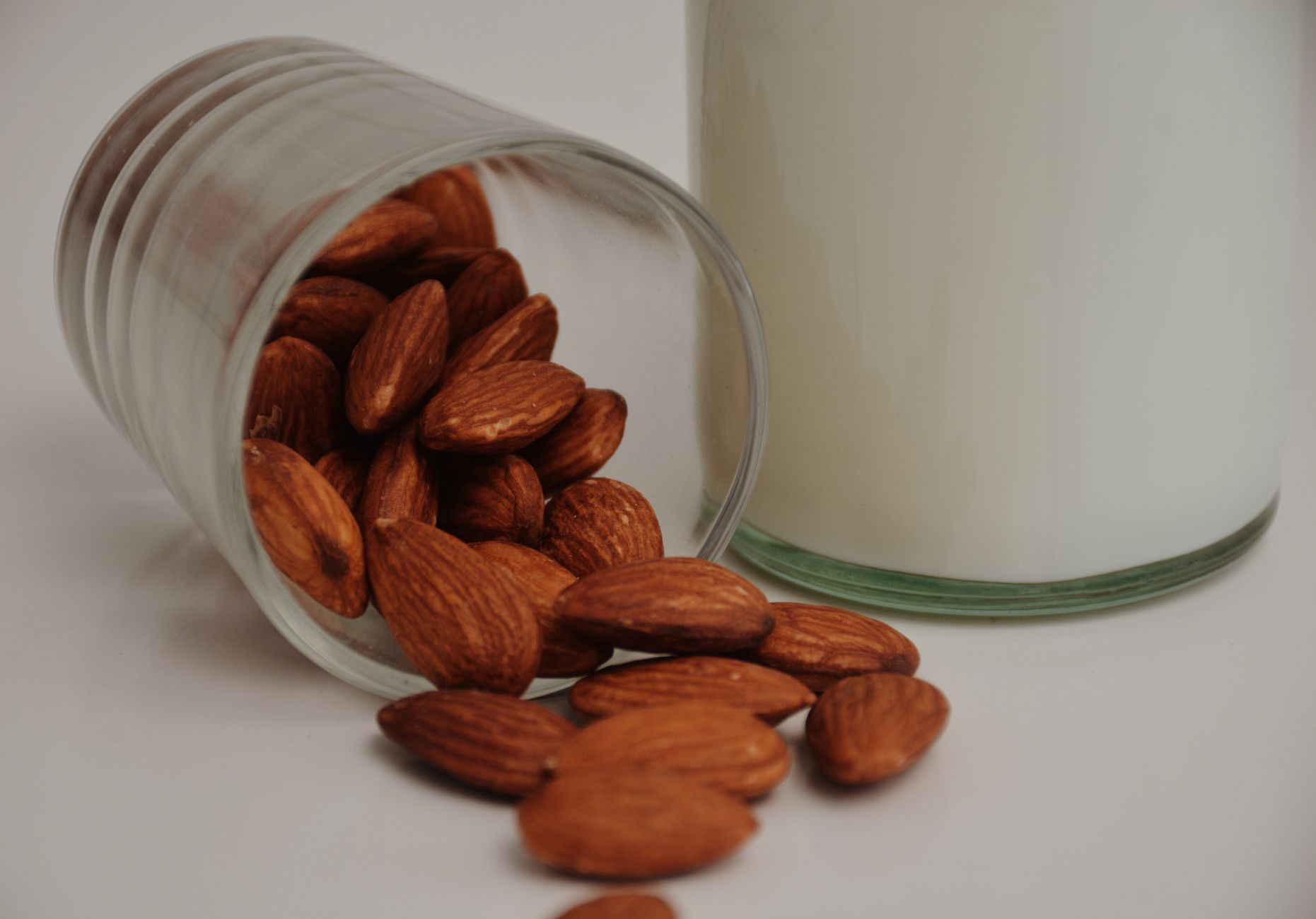
Almond milk has become a popular dairy alternative for many people looking for a plant-based option in their diets. This creamy beverage is often praised for its versatility and nutritional qualities. If you’re considering switching from dairy milk or simply curious, you may wonder: does almond milk taste like almonds?
The answer is multifaceted, as the taste of almond milk can vary depending on several factors, including how it is made, whether it is sweetened, and the brand you choose. This article will explore the flavor profile, texture, and uses of almond milk, helping you decide if it aligns with your taste preferences.
Does Almond Milk Taste Like Almonds?
Almond milk does have a mild almond flavor, but it’s generally lighter and less intense than you might expect. The degree of almond taste can fluctuate depending on the brand and additives. Unsweetened varieties tend to showcase the nutty profile more prominently, while sweetened versions may mask it with sugar or flavorings. Overall, it provides a subtle nod to almonds without being overwhelmingly strong.
Understanding the Flavor Profile of Almond Milk
The flavor profile of almond milk can be described as slightly nutty, sweet, and creamy, but it’s important to note that the taste can differ widely between homemade and store-bought options.
Homemade Almond Milk
When making almond milk at home, you can control the flavor by adjusting the amount of almonds used and the soaking time. Typically, homemade almond milk has a fresher, more pronounced almond flavor. Here’s a breakdown of its flavor characteristics:
- Nutty Flavor: A pronounced almond taste, especially if you use unblanched almonds that contain their skins.
- Freshness: The freshness of homemade milk is notable, with a brighter taste compared to many commercial varieties.
- Adjustable Sweetness: You can tailor the sweetness level to your preference, allowing for a more natural almond flavor to shine through.
Store-Bought Almond Milk
Many brands of almond milk contain additional ingredients, additives, and flavorings that can alter the overall taste:
- Sweetened vs. Unsweetened: Sweetened almond milk often contains added sugars or syrups, which can overshadow the almond flavor.
- Fortification: Some brands add vitamins and minerals that may also affect the taste.
- Flavor Additives: Many varieties come with added flavorings like vanilla or chocolate, which can further mask the natural almond taste.
The Texture of Almond Milk
Texture is an essential part of the overall experience when consuming almond milk. It can range from thin and watery to creamy, depending largely on the processing methods and how many almonds are used.
Homemade Versions
Homemade almond milk generally offers a creamier texture due to the higher almond content. You can also create thicker variations by blending the almonds for longer or adding less water during the process, which enhances the creaminess.
Commercial Varieties
Store-bought almond milk typically has a thinner consistency compared to homemade versions. It often comes in different consistencies with the following options:
- Barista Blends: These are specifically designed to froth and create foam, making them ideal for coffee drinks.
- Light or Low-Fat Options: These varieties often contain added water and may be less creamy.
How to Use Almond Milk
The versatility of almond milk makes it suitable for a wide range of applications in cooking and baking. Here’s how you can use it:
In Beverages
Almond milk can be used in a variety of drinks:
- Coffee and Tea: Substitute dairy milk with almond milk for lattes, cappuccinos, or chai.
- Smoothies: Use almond milk as a base for smoothies for a nutty flavor and creamy texture.
- Milkshakes: Almond milk can replace traditional milk to create a dairy-free milkshake.
In Cooking
Almond milk is a suitable ingredient in several recipes:
- Soups: Use almond milk in creamy soups as a dairy substitute.
- Curry Dishes: It adds a subtle creaminess to curries, enhancing the overall flavor.
- Pasta Sauces: Use almond milk to create lighter pasta sauces.
Baking with Almond Milk
Almond milk can also be an excellent ingredient in baking:
- Cakes and Muffins: Substitute almond milk for regular milk in batter for added flavor.
- Pancakes and Waffles: Use it to create fluffy, flavorful breakfast options.
- Cookies: Almond milk works well in cookie doughs for extra moisture and flavor.
Practical Tips for Choosing Almond Milk
When selecting almond milk, consider these practical tips to ensure you pick the best option for your needs:
- Check the Ingredient List: Look for fewer additives and preservatives. The shorter the list, the better.
- Unsweetened Options: Choose unsweetened almond milk for a more neutral flavor unless you specifically want sweetness.
- Fortified Varieties: If you seek additional nutrients, opt for fortified versions that contain calcium, vitamin D, and vitamin E.
- Brand Reputation: Some brands are known for better taste and quality; consider trying different brands to find your favorite.
Common Mistakes When Using Almond Milk
To make the most out of almond milk, be wary of these common mistakes:
- Not Shaking Before Use: Almond milk can separate in the carton, so make sure to shake it well before pouring.
- Ignoring Expiration Dates: Always check the expiration date as almond milk can spoil even when unopened.
- Using Only in Sweet Dishes: Many people reserve almond milk for sweet recipes, but it works wonderfully in savory dishes as well.
Serving Suggestions
Almond milk integrates seamlessly into various dishes. Here are a few serving suggestions to elevate your culinary experience:
- Over Cereal: Pour it over your favorite cereal or granola for a light breakfast.
- With Oats: Use it to prepare overnight oats for a nutritious snack.
- As a Soup Base: Use almond milk to create a base for bisques or cream-based soups.
Alternatives to Almond Milk
If almond milk isn’t your preferred choice or if you have an almond allergy, there are several alternatives available. Each has its own flavor and texture. Here are a few:
- Soy Milk: Creamy texture, rich in protein, with a more pronounced flavor.
- Oat Milk: Thick and creamy, with a neutral taste that works well in both sweet and savory dishes.
- Coconut Milk: A sweeter option with a distinct coconut flavor, available in both canned and carton forms.
- Cashew Milk: Slightly creamier than almond milk and with a more robust nutty flavor.
Storage and Shelf Life of Almond Milk
Proper storage is crucial for maintaining the quality of almond milk.
- Unopened Packages: Store them in a cool, dry place. Check the expiration date for guidance.
- Opened Packages: Refrigerate after opening and use within 7-10 days for best quality.
- Homemade Almond Milk: Should be consumed within 3-5 days when kept in the refrigerator. Always check for spoilage signs, such as off smells or separation.
Conclusion
Almond milk offers a unique taste profile that captures a subtle essence of almonds, while also providing a versatile base for various foods and beverages. Whether you enjoy it in your coffee, baking, or breakfast, almond milk can elevate your culinary creations. If you’re curious about other plant-based options, consider exploring alternatives that suit your flavor preferences.
For more delicious recipes and cooking tips, check out our coconut milk chia pudding recipe or try our almond flour bread recipe!